
The Bass Shed Feed
The Shed Feed is your front-door preview to everything happening inside The Bass Shed. Explore the latest lessons, transcriptions, podcast extras, Bass Bites, and mindset posts — all in one place. See what’s new, discover what interests you, and step inside to unlock the full experience.
Bass Bites
Short clips from transcriptions and well-known tunes that help you pick up the language of a style or work on a specific technique in a quick, musical way.

This Bass Bite isolates a single triplet figure from Ray Brown’s walking line, showing how he adds forward motion without disrupting the pulse. Learn how this flexible triplet can function as a pickup, turnaround, or subtle burst of momentum in your own walking lines.
Lessons
Structured instruction covering technique, time feel, harmony, sound, and musicianship for bassists at every stage.
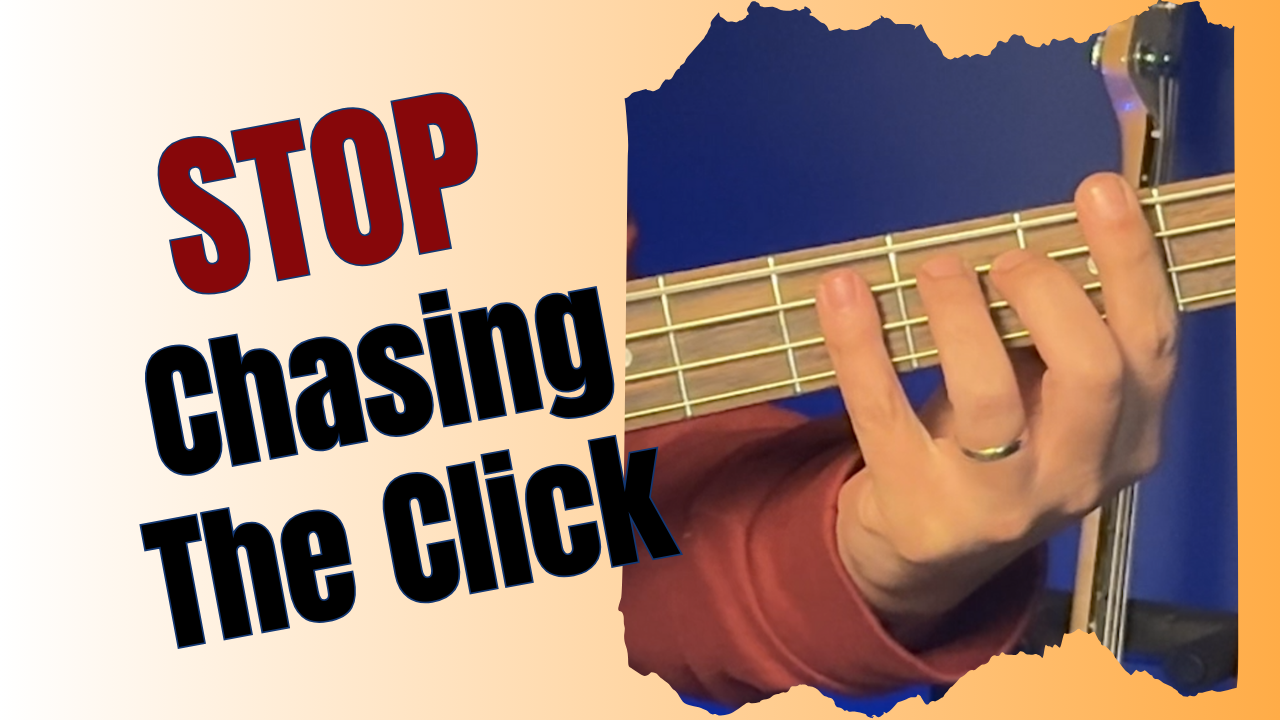
Build a stronger internal clock by keeping the notes simple and letting the rhythm do the work. This intermediate lesson develops time feel through subdivision, space, and gradual independence from the click.

A system-based approach to practicing major scales on bass across all keys, positions, and string groupings.
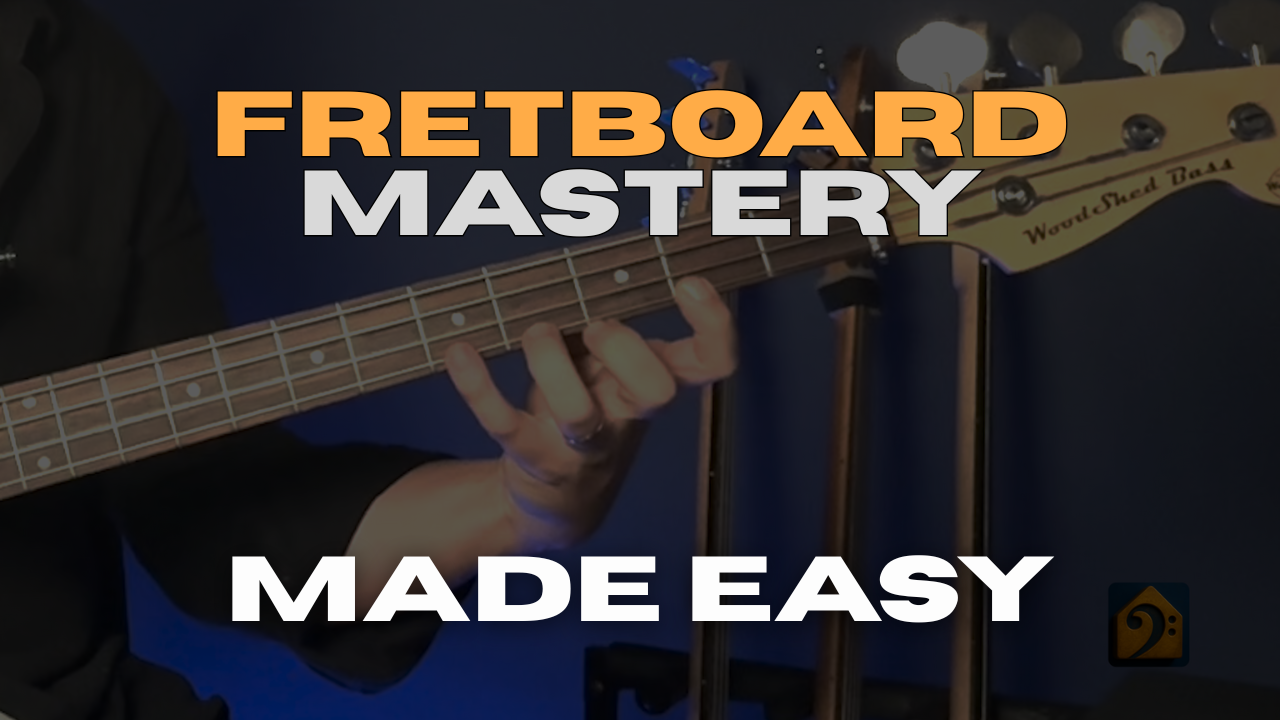
Build real fretboard awareness by saying the note name out loud as you play. This lesson uses a C major scale across multiple strings to connect your ears, voice, hands, and brain—helping you stop guessing and start knowing where you are on the bass.


Listening Room
Guided album explorations that train your ear, expand your musical perspective, and connect listening to real playing.
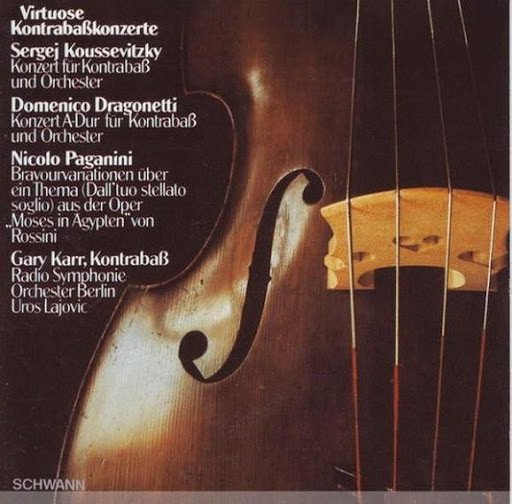
Gary Karr’s complete Dragonetti Concerto proves the double bass can lead with lyricism and authority. Listen for vocal phrasing, fearless register shifts, and elegant control across all 3 movements!!!
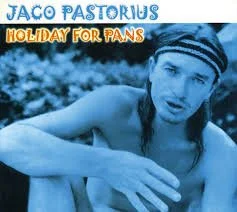
Jaco Pastorius’ “Holiday for Pans” reveals his voice as a composer, spotlighting steel pans, color, rhythm, and atmosphere. A surprising, imaginative chapter that expands his musical story.
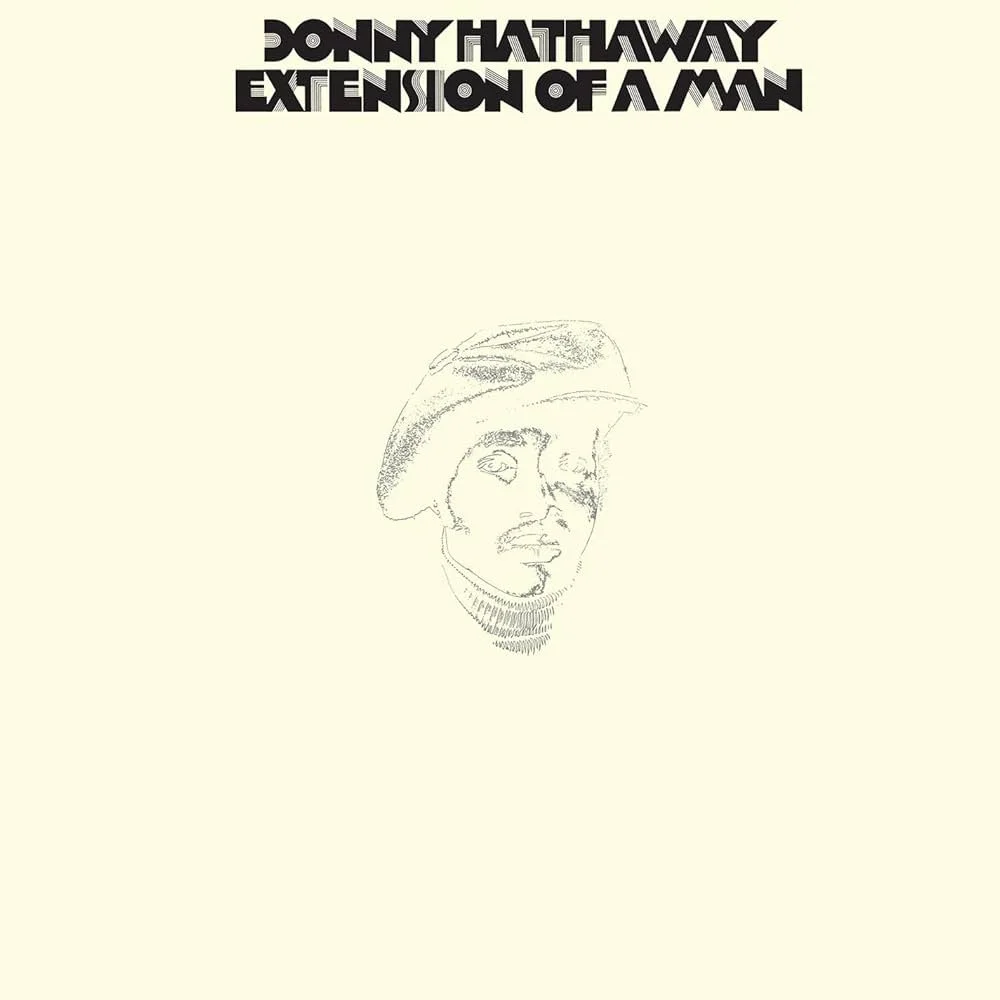
Donny Hathaway’s Extension of a Man is a soulful, orchestral album built on intention and restraint, where supportive bass, pacing, and emotional clarity shape the record from start to finish.
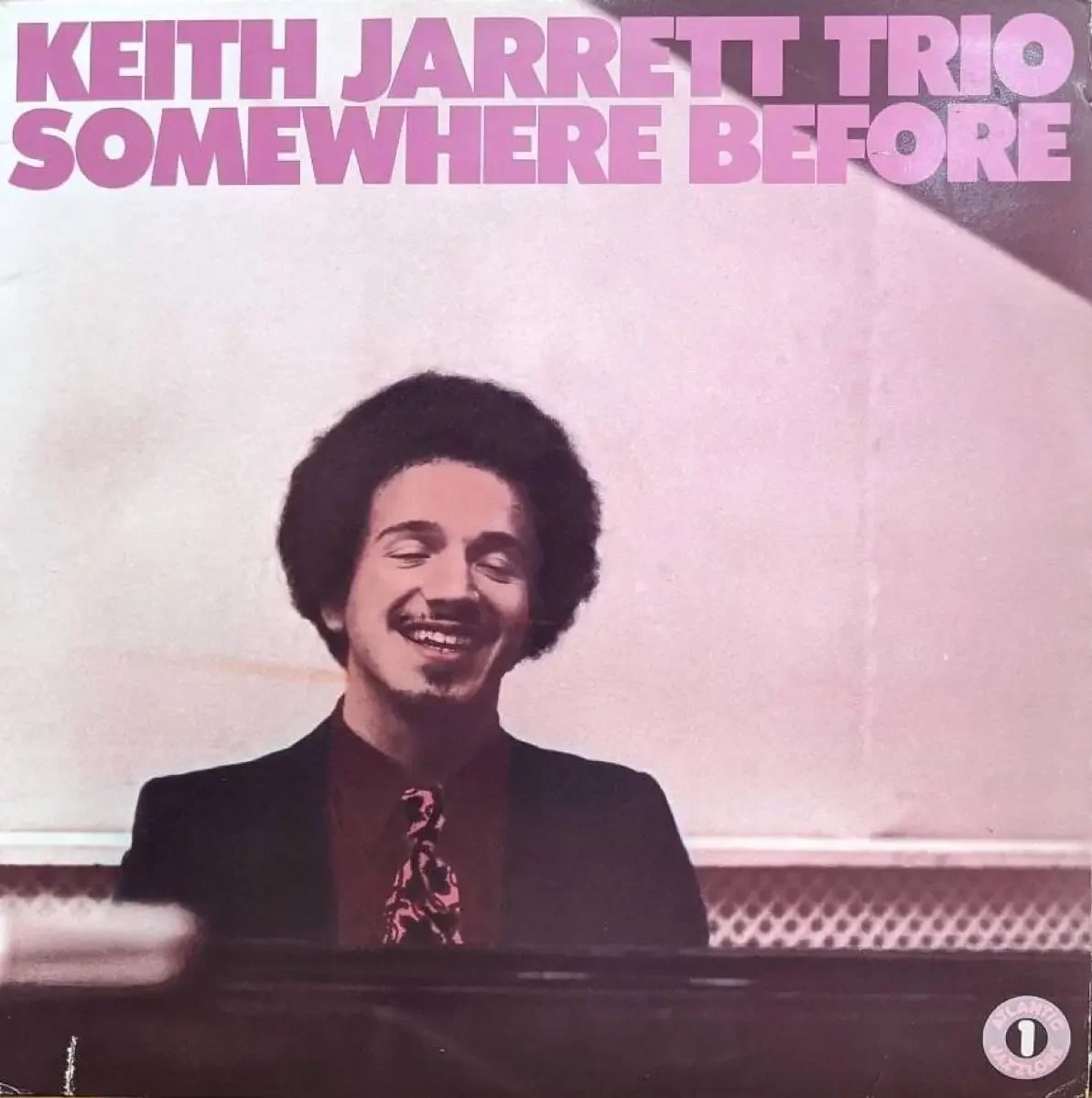
Jarrett’s early trio explores folk tunes, freedom, and subtle interplay, with Charlie Haden’s bass captured in pristine clarity. A vivid snapshot of the trio’s storytelling and musical openness.
Podcast
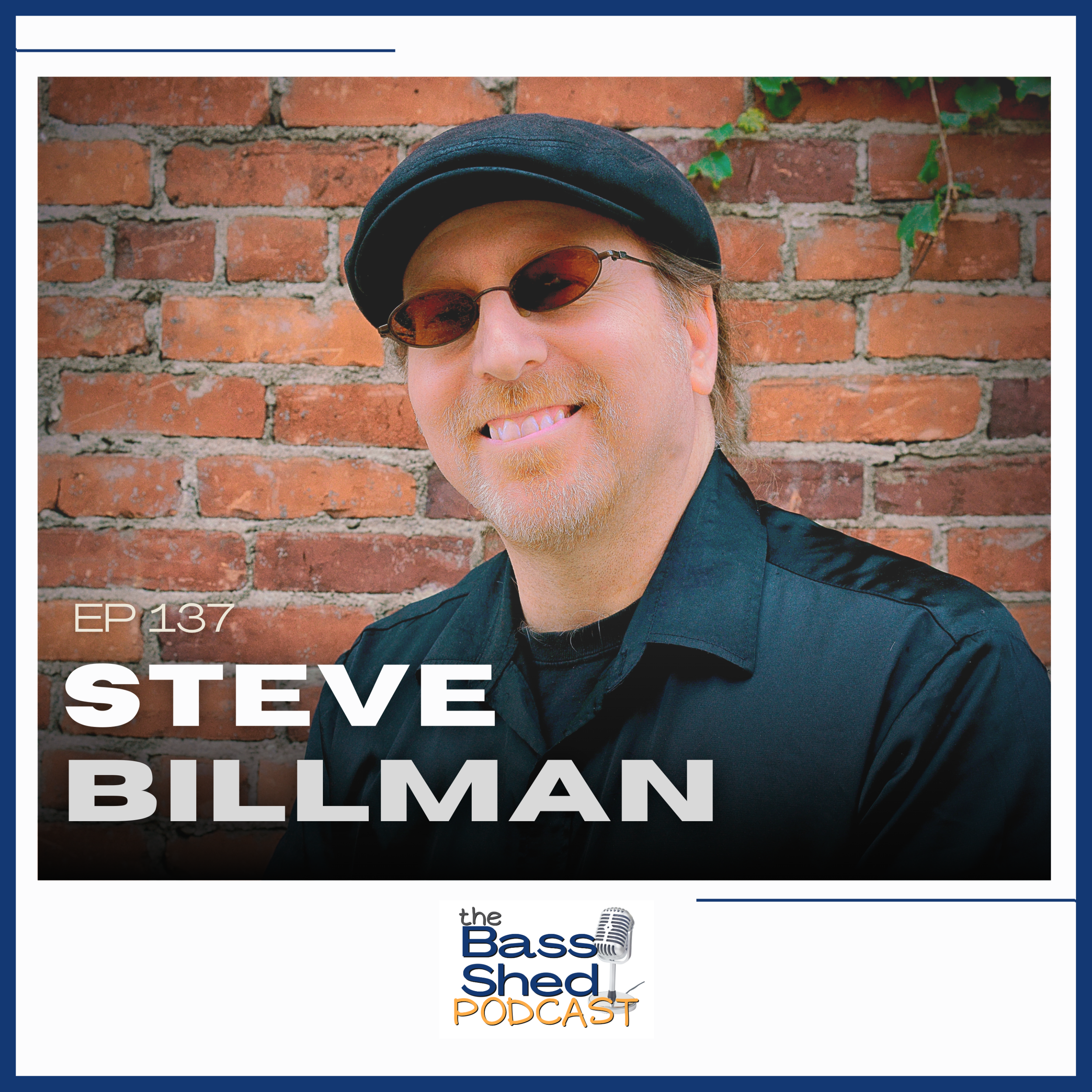
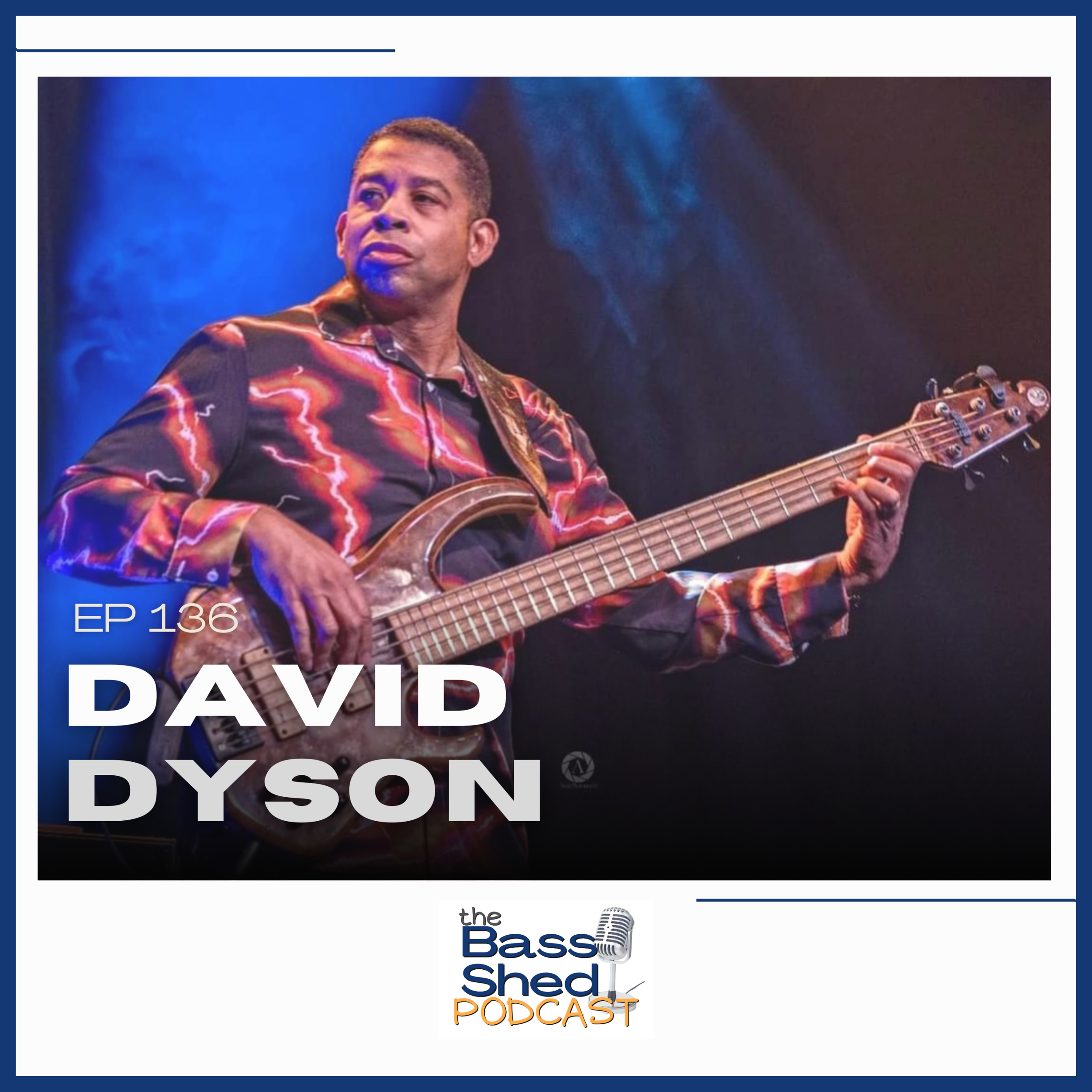
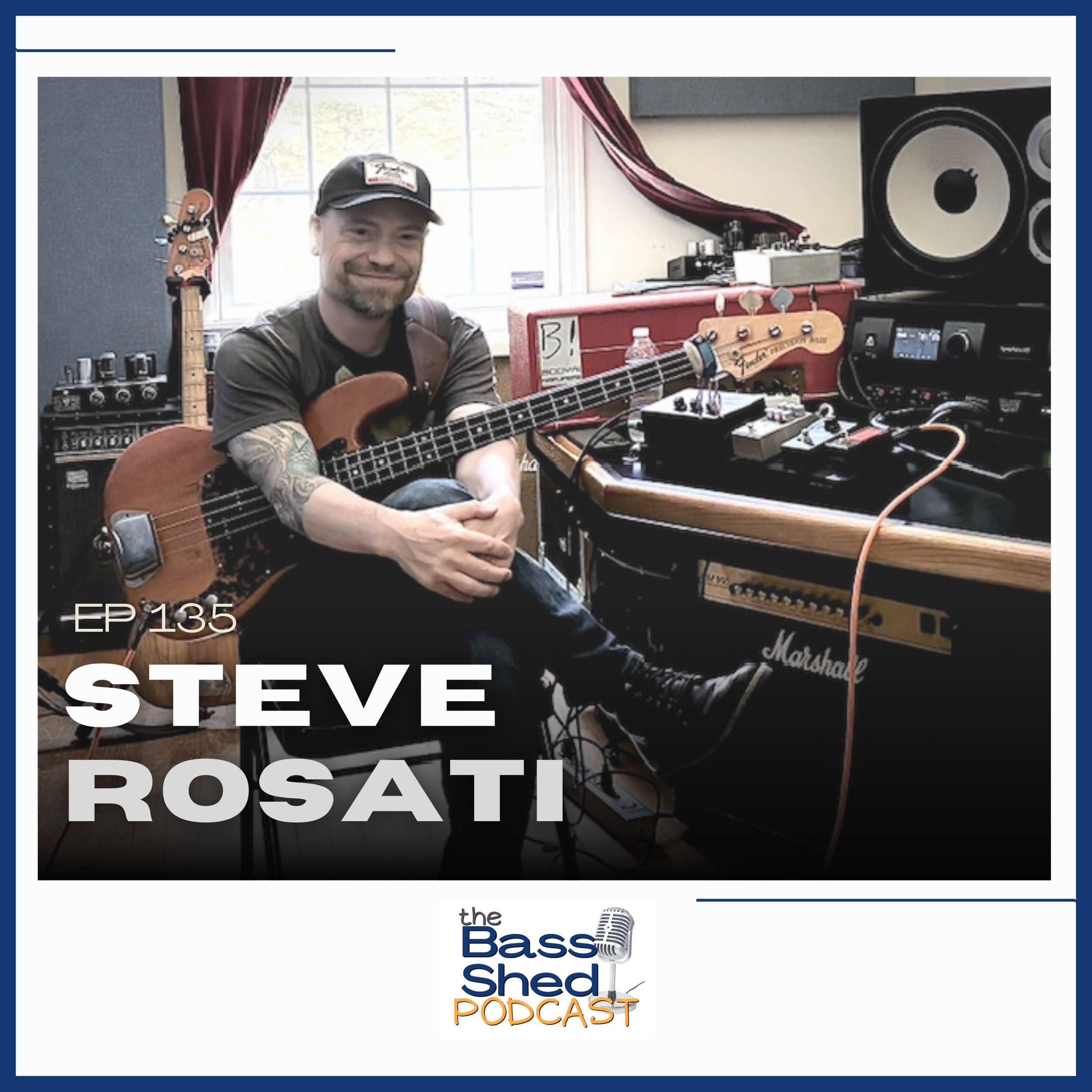
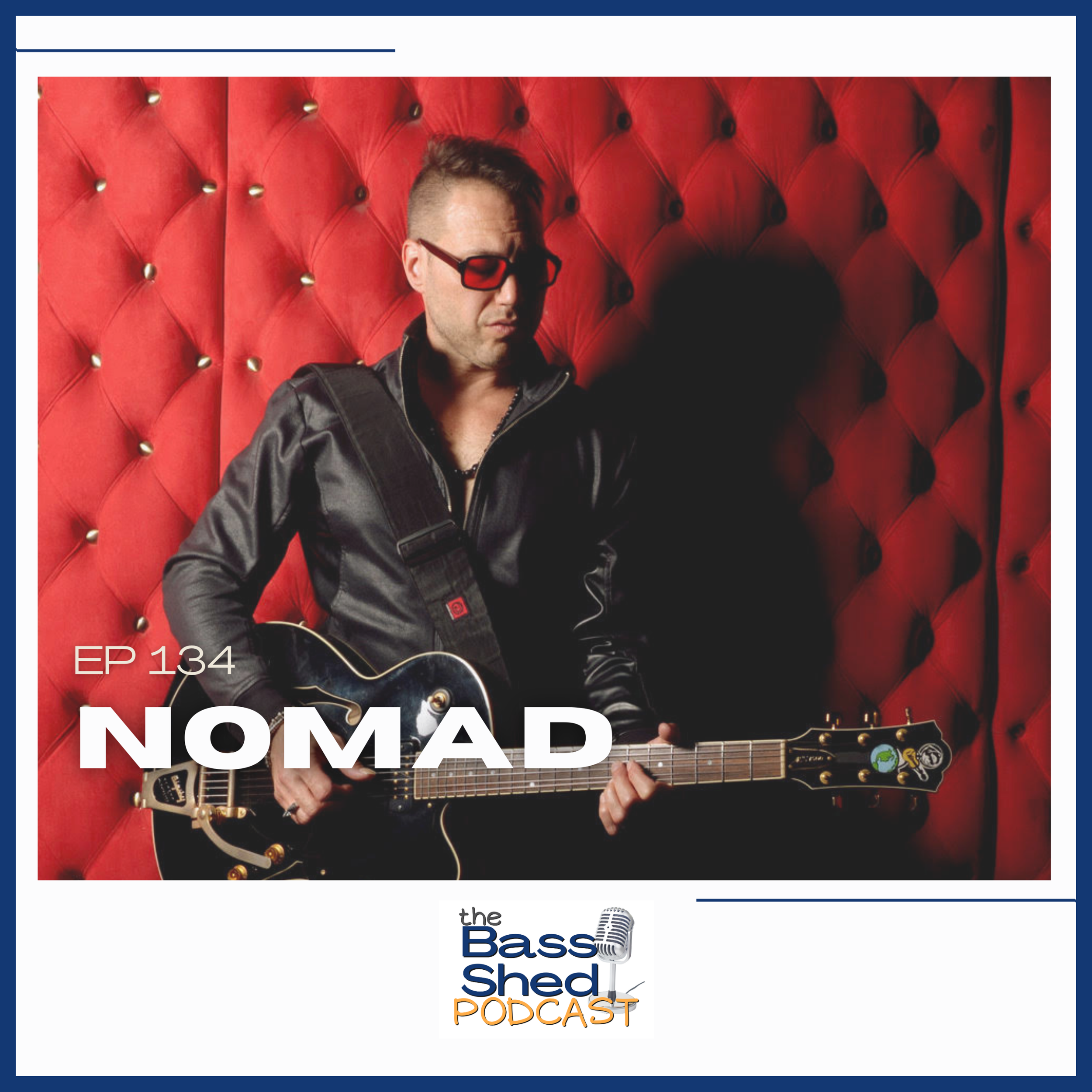
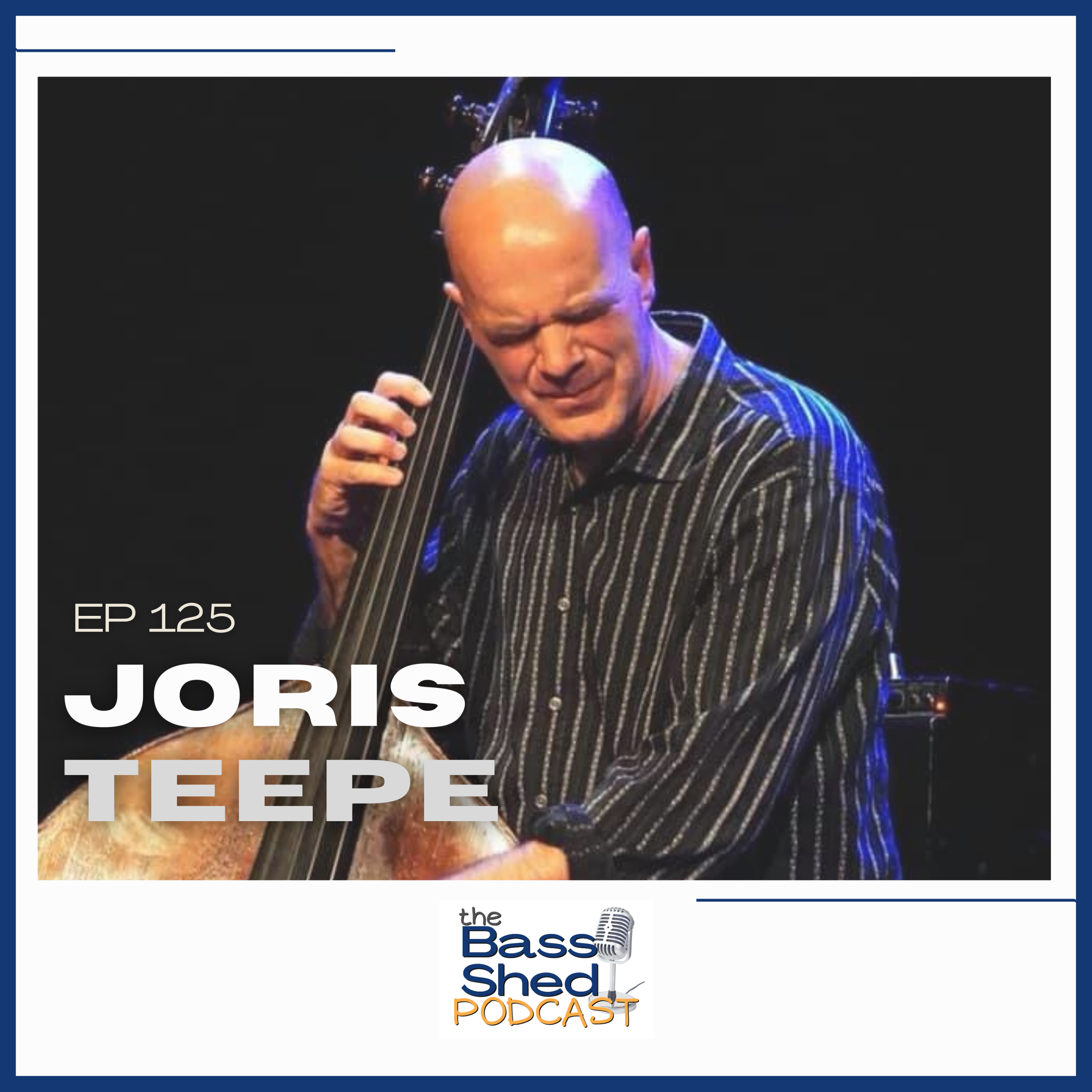
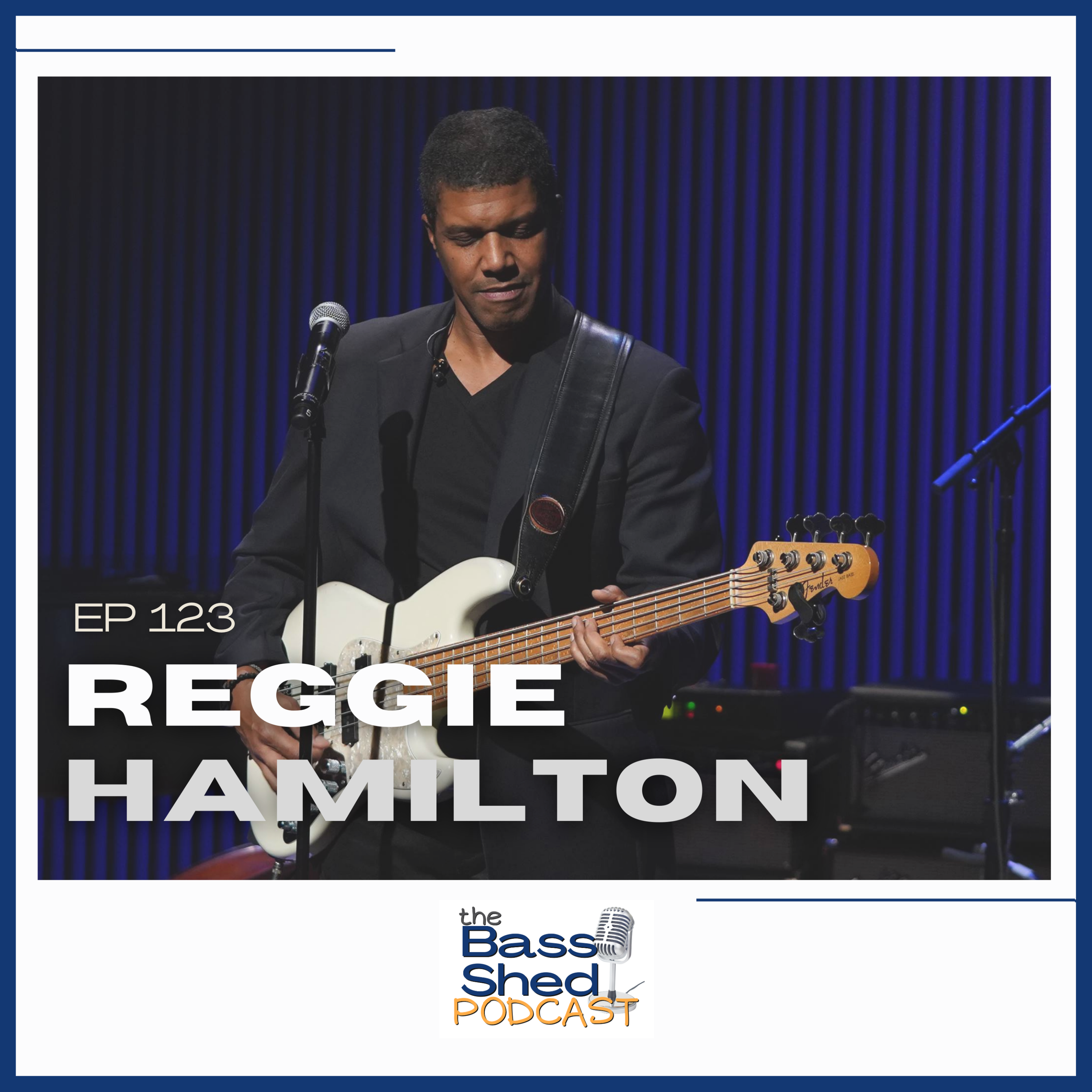
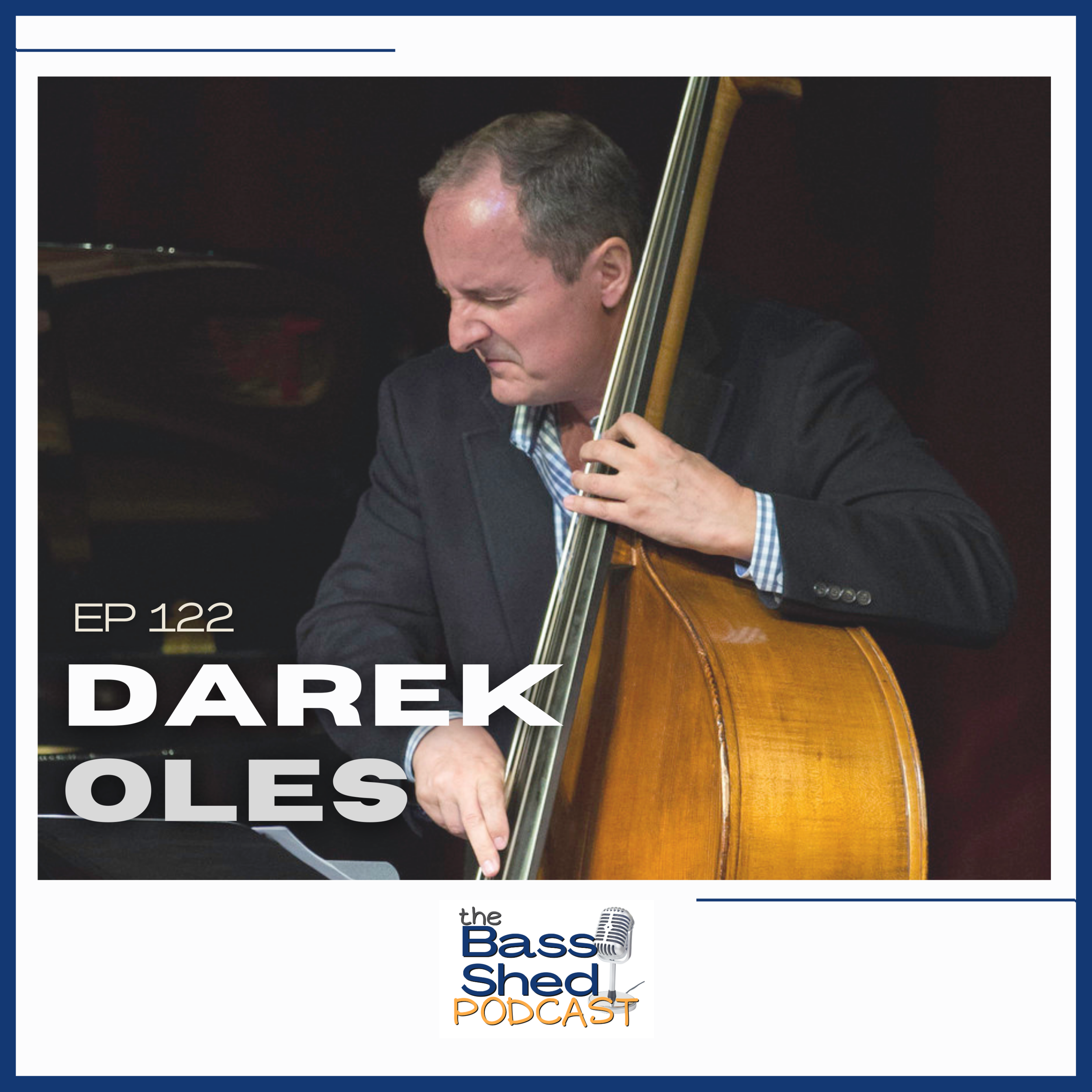
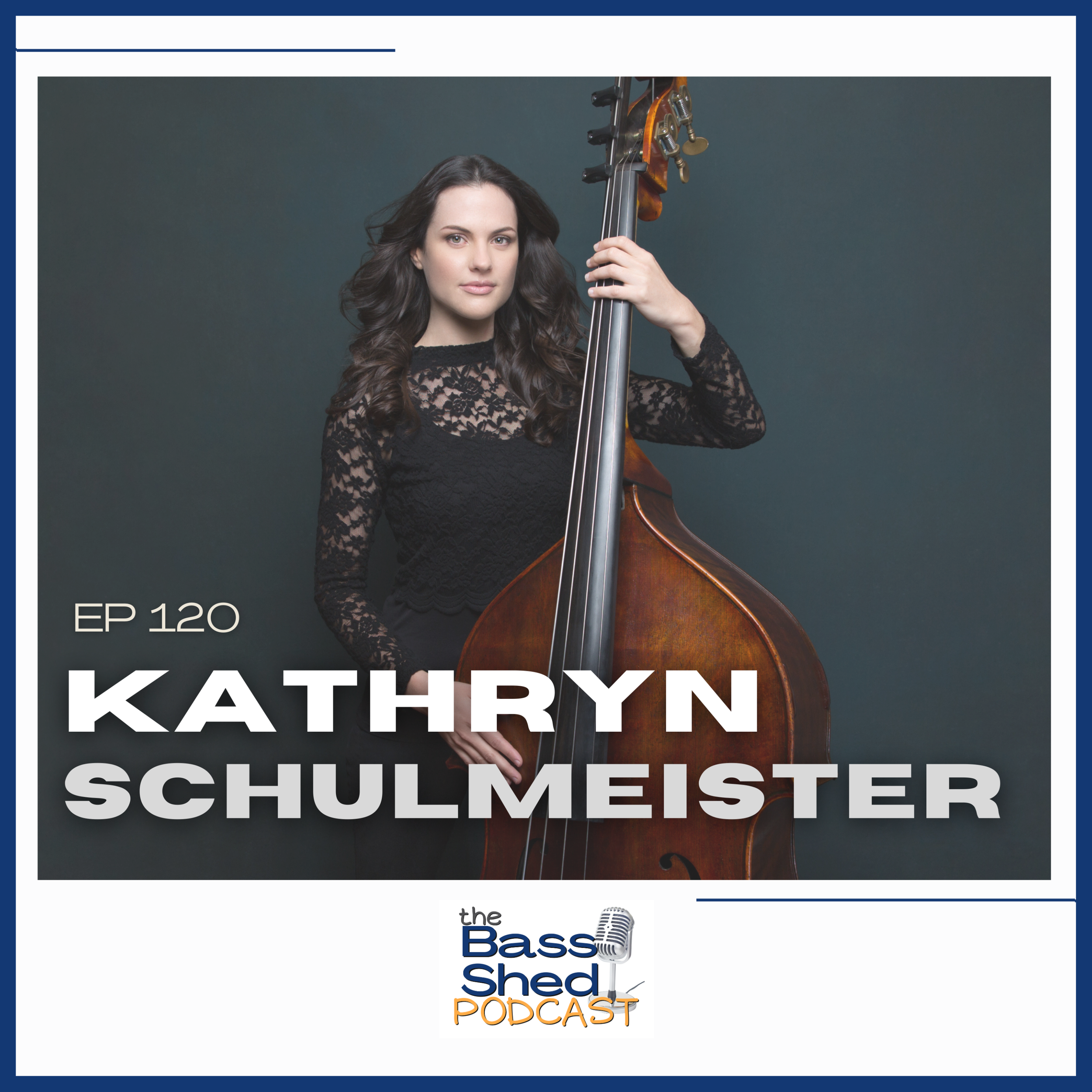
Members of The Bass Shed can search the podcast archive by topics, guests, and musical themes to quickly discover past episodes that match their interests and goals.

Podcast Video








Shed Mindset

Great bassists don’t sound great because of their gear—they sound great because their gear supports a clear personal concept of sound. This piece explores how to choose equipment based on function, integrity, and self-expression, not imitation or elitism.
Success as a musician doesn’t have to be measured by numbers, visibility, or comparison. This piece explores how to define success internally—through direction, process, and contribution—so progress feels stable and sustainable over time.
Lasting success on the bass is built through behavior, not talent alone. This members-only piece explores seven core habits—backed by philosophy, psychology, and real-world musicianship—that shape sustainable growth on the instrument and beyond.

Comparison often feels like information, but psychologically it redirects attention away from learning and into self-evaluation. This piece explores why comparison increases pressure, disrupts focus, and slows real progress—and how returning attention to the work is what actually leads to growth.
The first minutes of practice shape how the nervous system engages with sound, time, and effort. This piece explores how familiarity, safety, and attention influence learning—and why a deliberate entry creates deeper, more focused sessions without practicing longer.
Busyness often feels productive while quietly preventing real progress. This members-only piece explores why focus is harder, quieter, and far more effective—and how simplifying practice is what actually moves musicians forward.
Practical insights on practice, discipline, creativity, and the mental side of building a meaningful musical life.
LowDown
Honest gear discussions, sound concepts, and practical advice to help you choose and use equipment intentionally.

The Form Factor BI1000 DI Mk III is a 1000-watt bass amp head built for clean authority, tight low end, and mix-ready articulation. In this IN THE SHED breakdown, we go beyond specs and explore real-world application — gain structure, limiter behavior, midrange strategy, cab pairing, and how this head translates on stage and in the studio. If you need power without sag and clarity without harshness, this deep dive is for you.
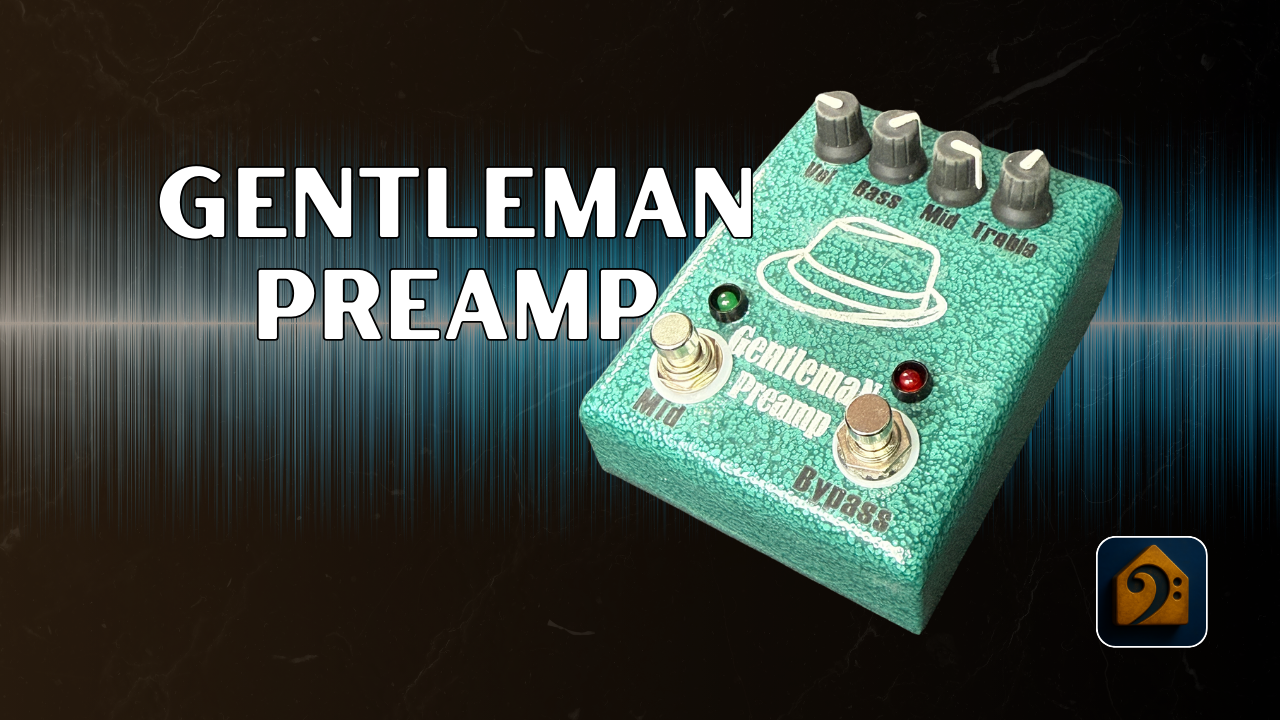
The Gentleman Preamp takes the musical philosophy of the classic Fodera design and translates it into a stomp box format. With carefully chosen bass and treble centers and a dual-character mid range stomp, it’s built for subtle shaping, mix placement, and clarity — not extreme EQ. This breakdown shows you how to use it like an onboard preamp, refine your tone with small moves, and position your sound exactly where it belongs.
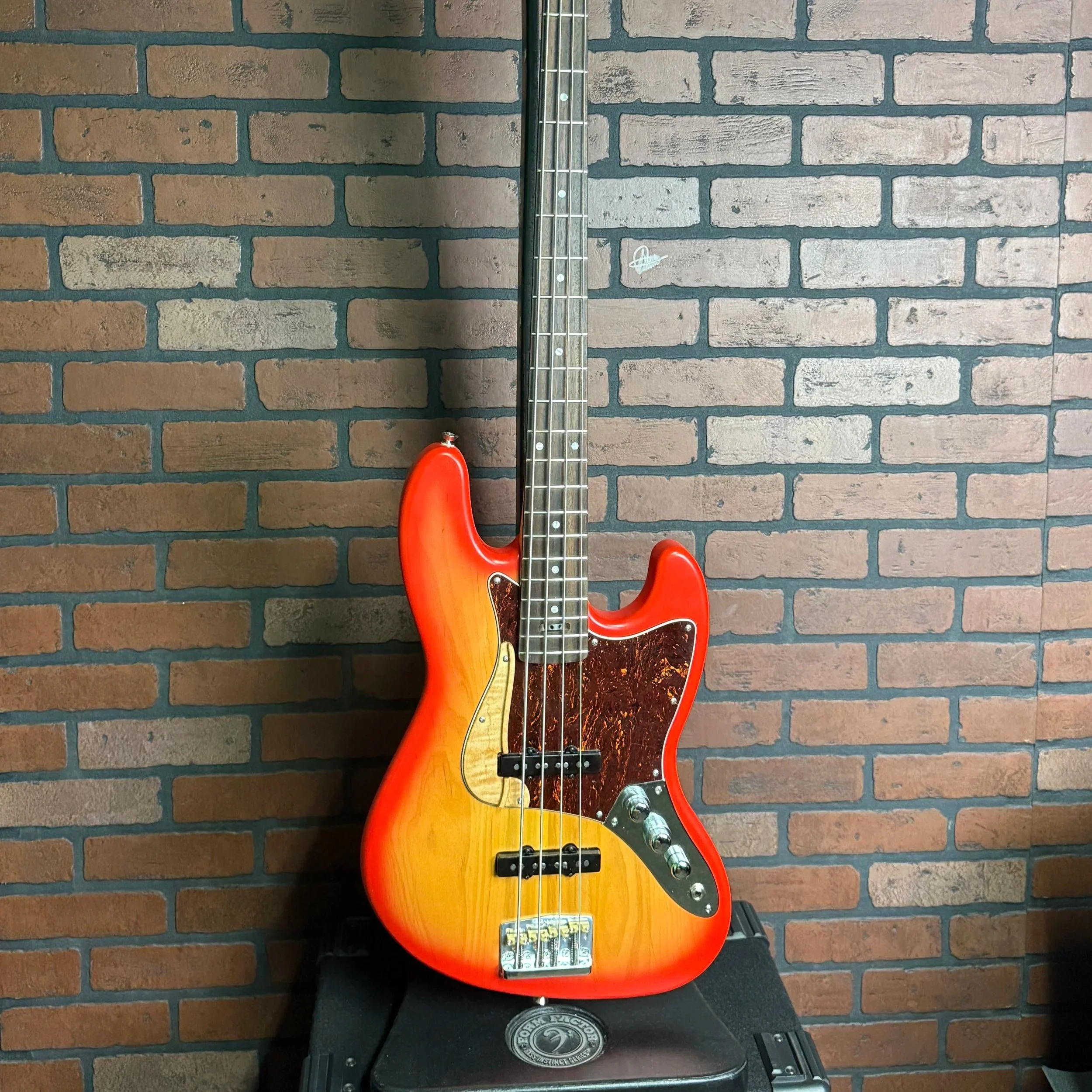
A closer look at the Wood Shed Bass—its construction, thoughtful features, playability, and sound—examined through real-world playing to understand how it feels, responds, and speaks musically.
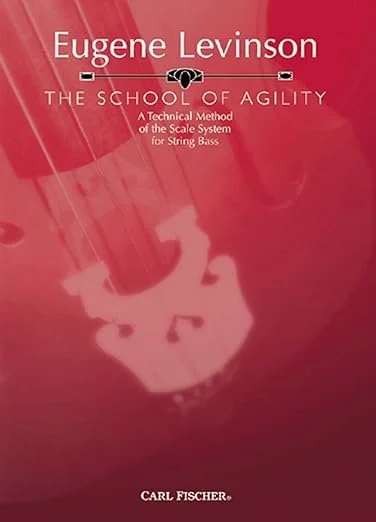
A deep dive into Eugene Levinson’s The School of Agility—a scale system that balances discipline and musicianship, and a method I still use daily with upright bass students.
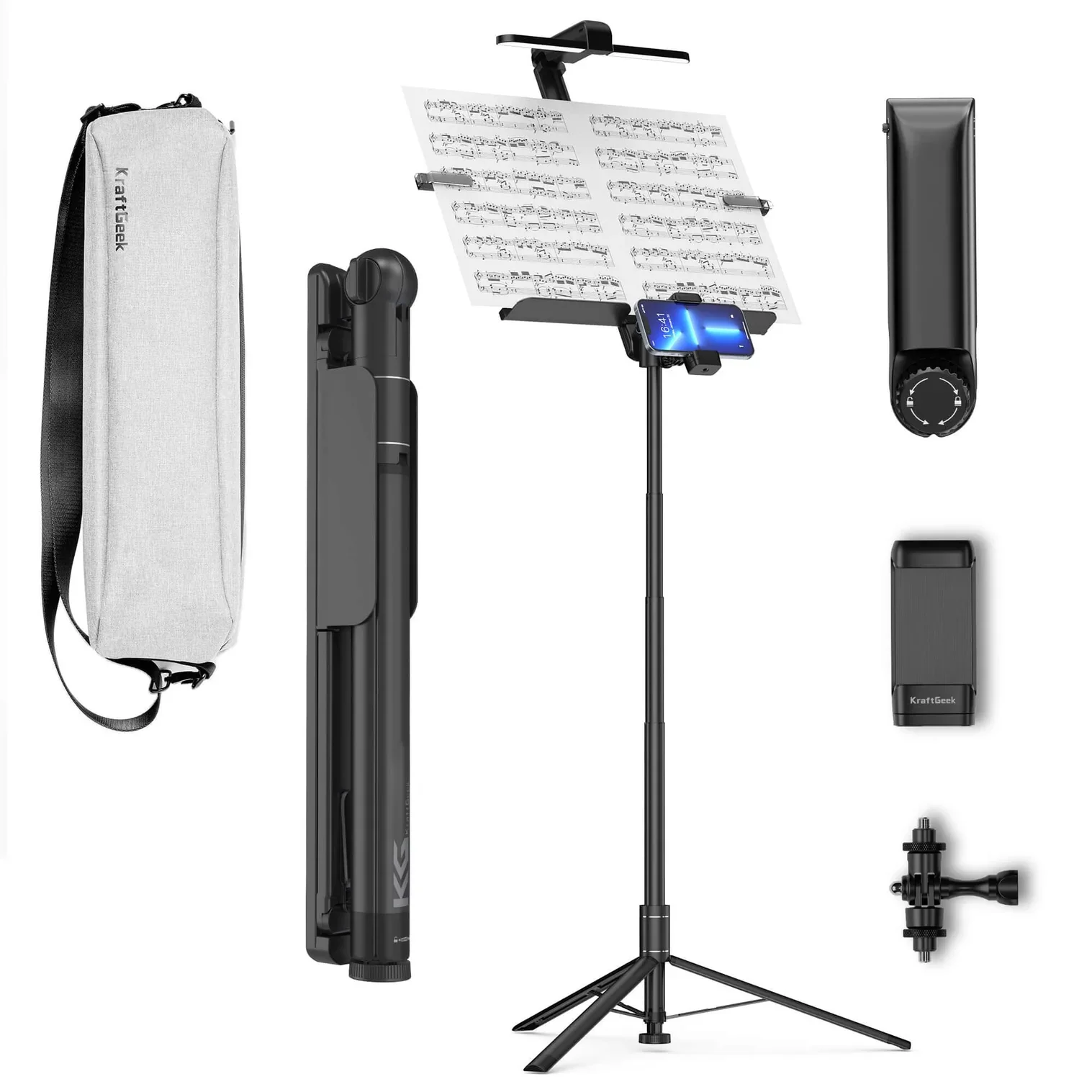
The KraftGeek Capsule Stand completely changed how I think about music stands. It’s compact, beautifully designed, and built for real working musicians. I love this stand—and I’m so glad KraftGeek contacted me about it. See why it’s my new favorite piece of gear inside The Shed.
Podcast Extras
Go beyond the public episodes with exclusive extras for members, including The 5 Spot and additional conversations with bassists and musicians from around the world that didn’t make the final cut.

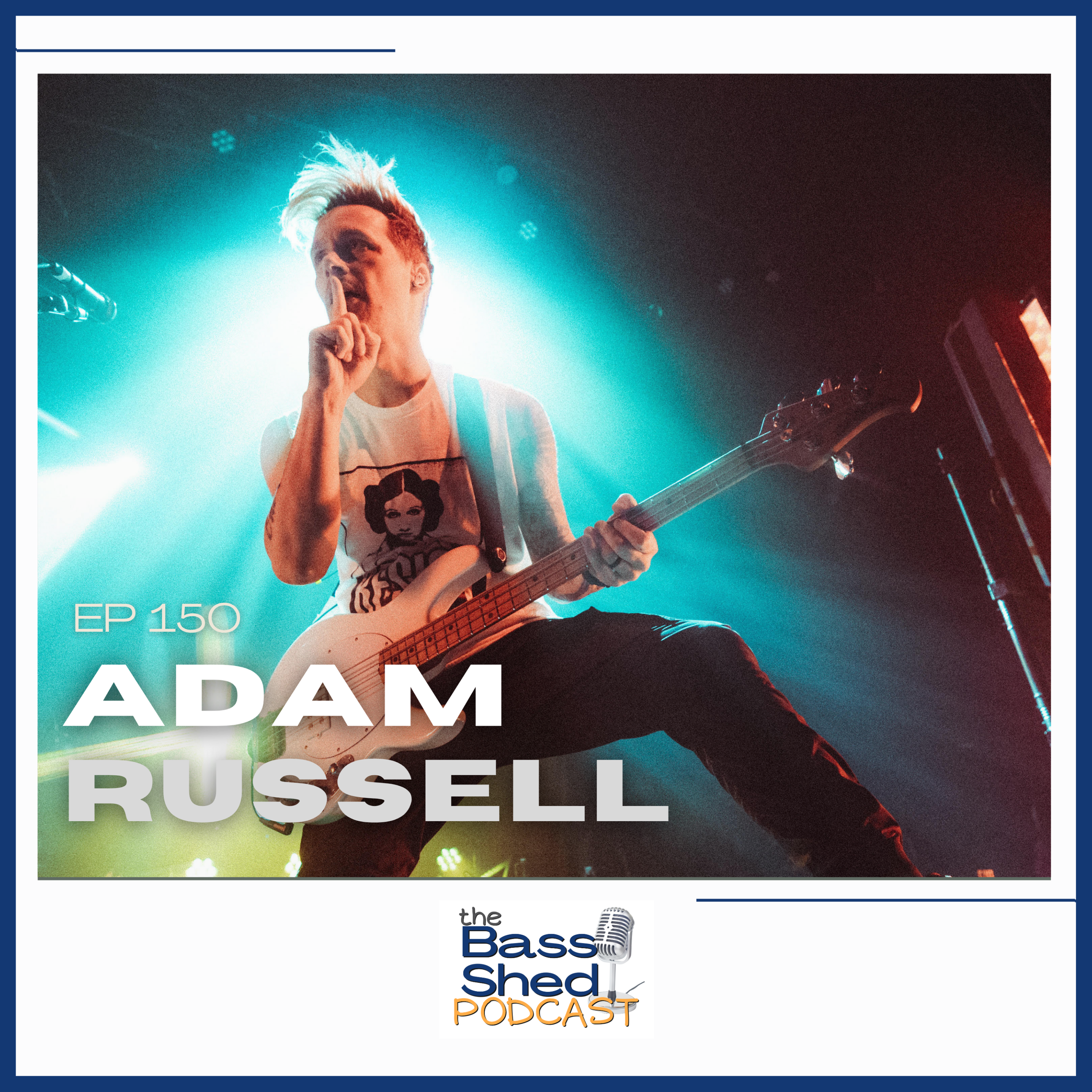
Adam Russell of Story of the Year on A.R.S.O.N., the band’s 25-year evolution, and how returning to their roots while focusing on personal themes shapes his role on bass in a high-energy live band.
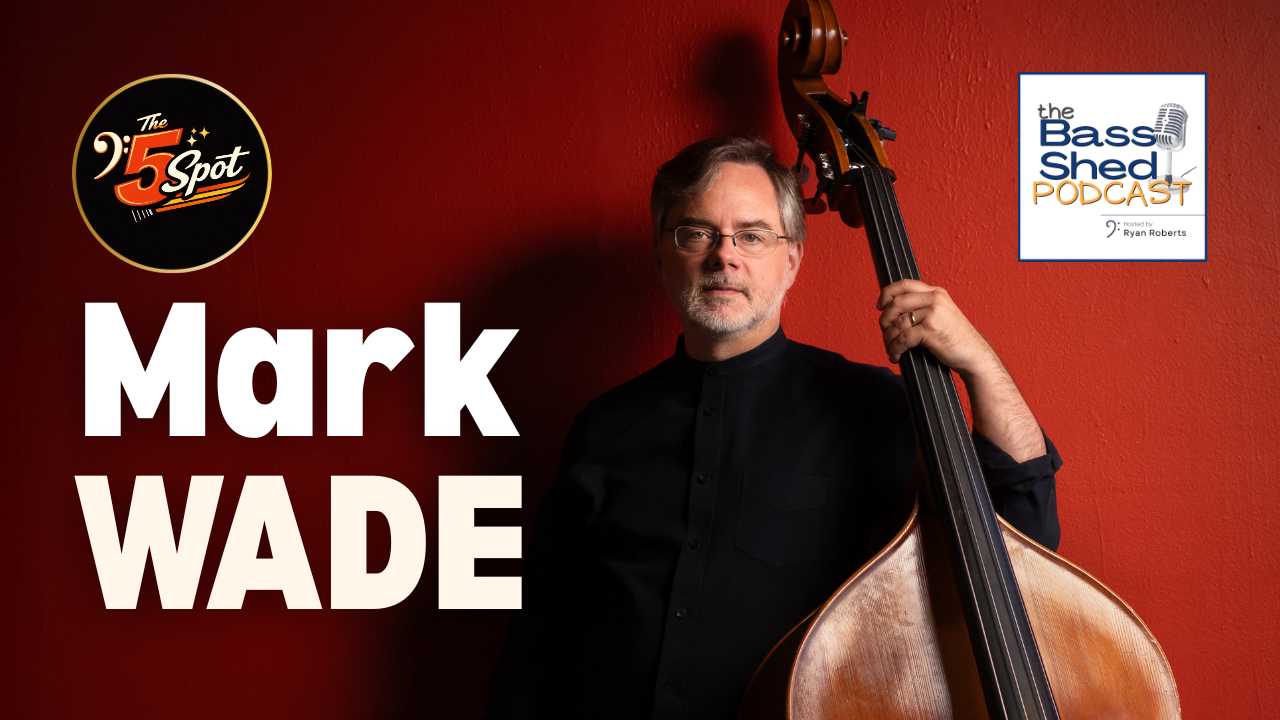
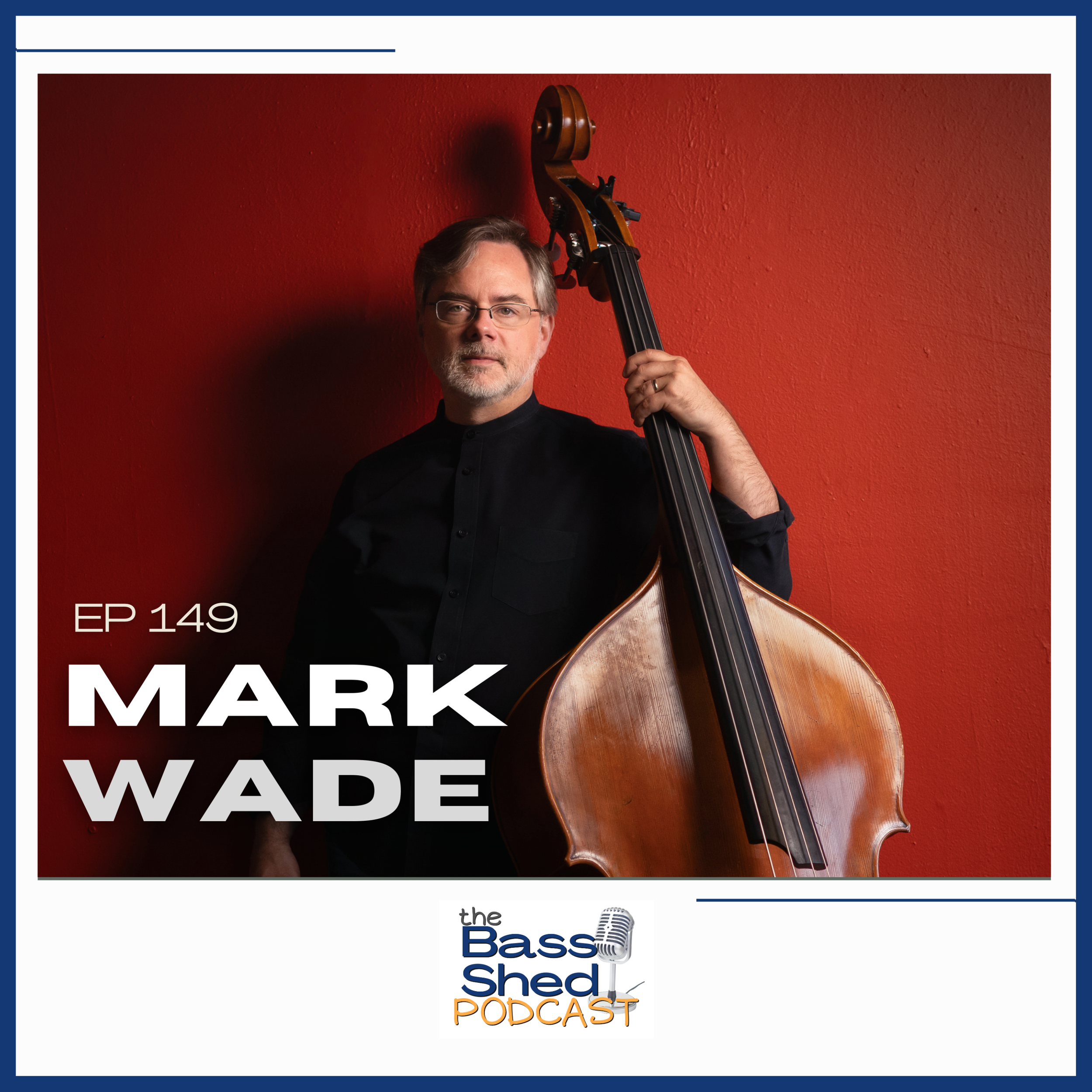
Mark Wade reacts to five bassist call-outs, highlighting players who blend tradition, genre, and mastery—offering insight into the musicality, feel, and intent behind truly expressive bass playing.
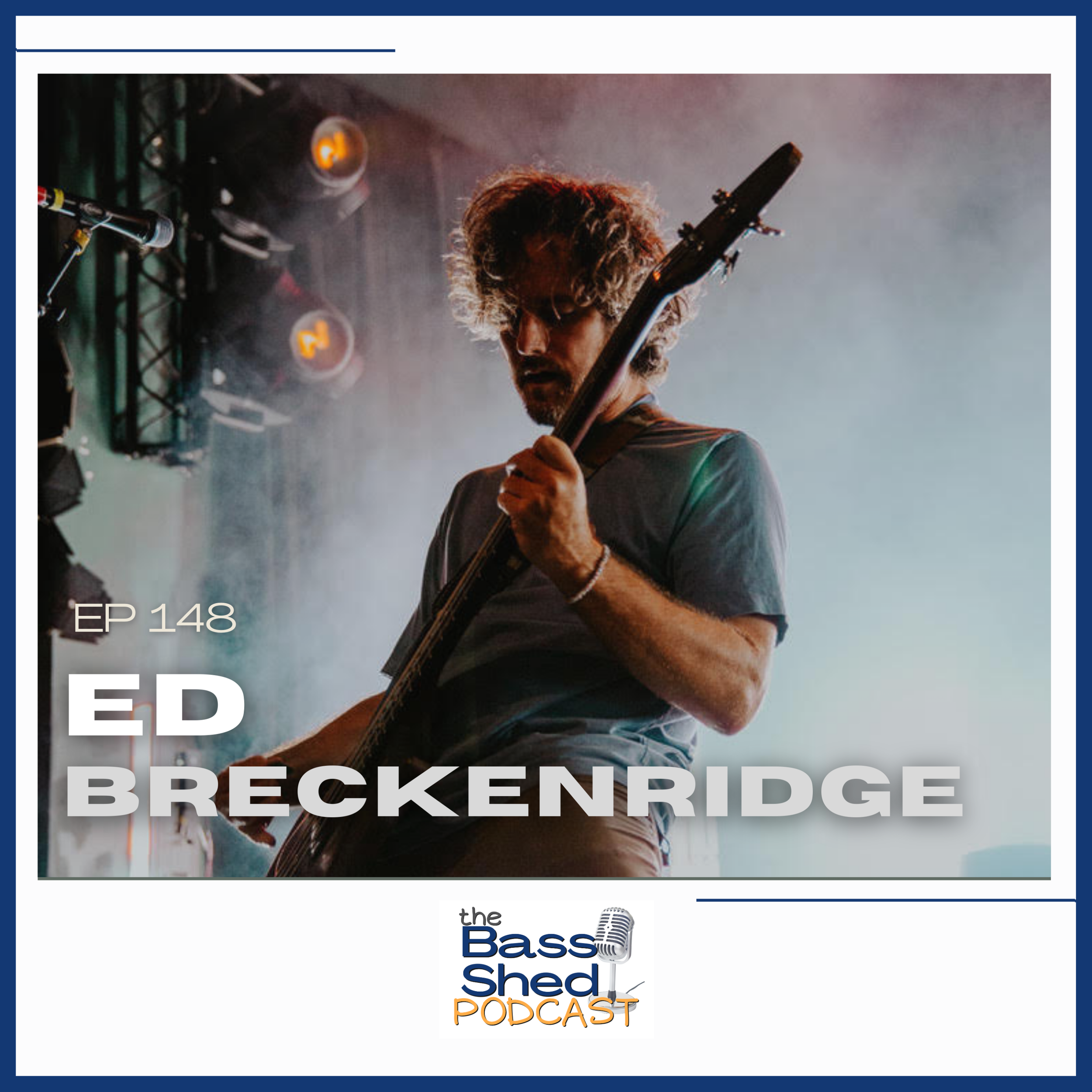
Ed Breckenridge of Thrice steps into The 5 Spot, giving rapid-fire reactions to five bassists whose playing reflects tone, feel, and the musical instincts that shape his approach to the instrument.
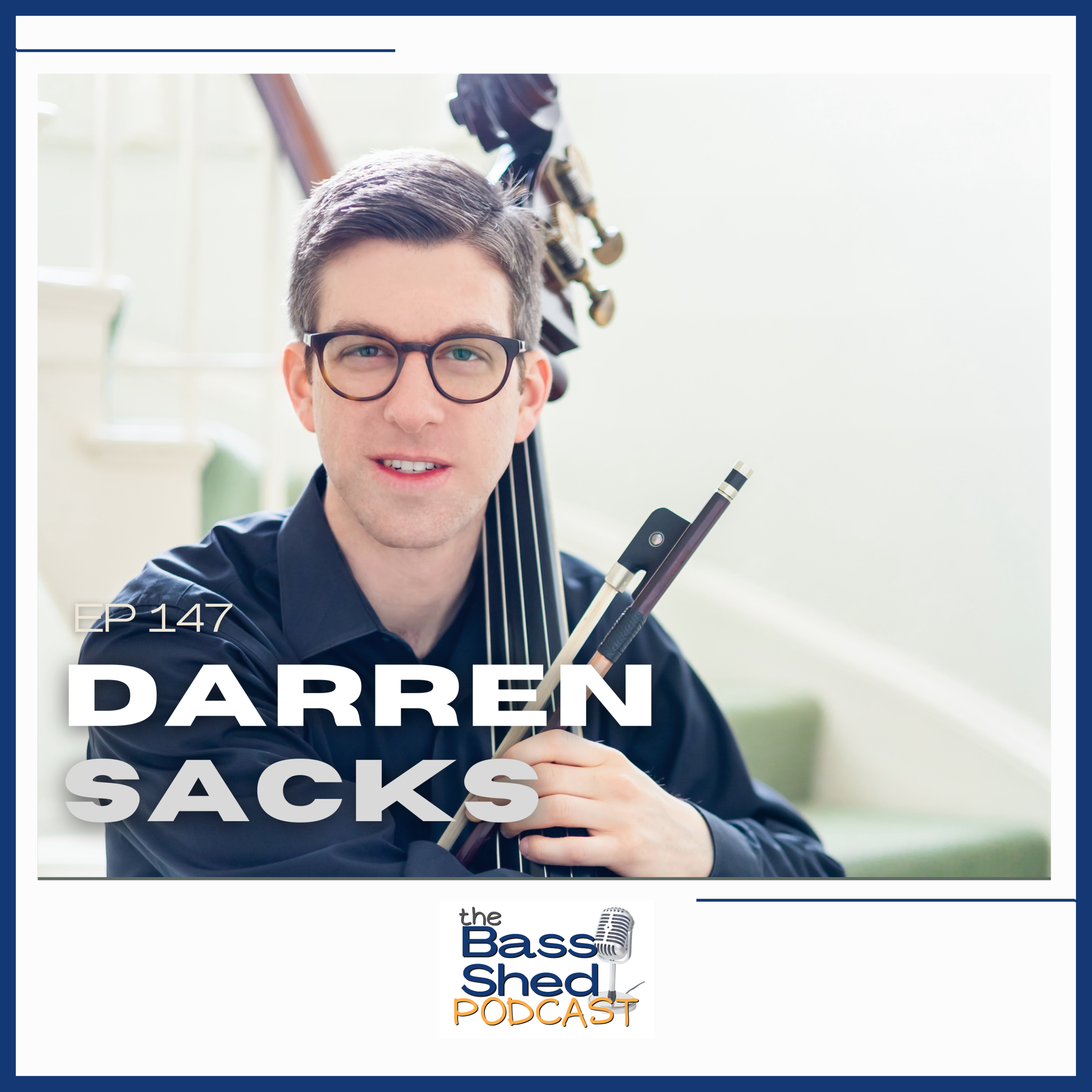
Five legendary bassists. Five distinct teaching philosophies. In this rapid-fire 5 Spot, Darren Sacks reveals which lessons shaped him most — from orchestral precision to musical depth — and how those methods now inform his audition coaching system.
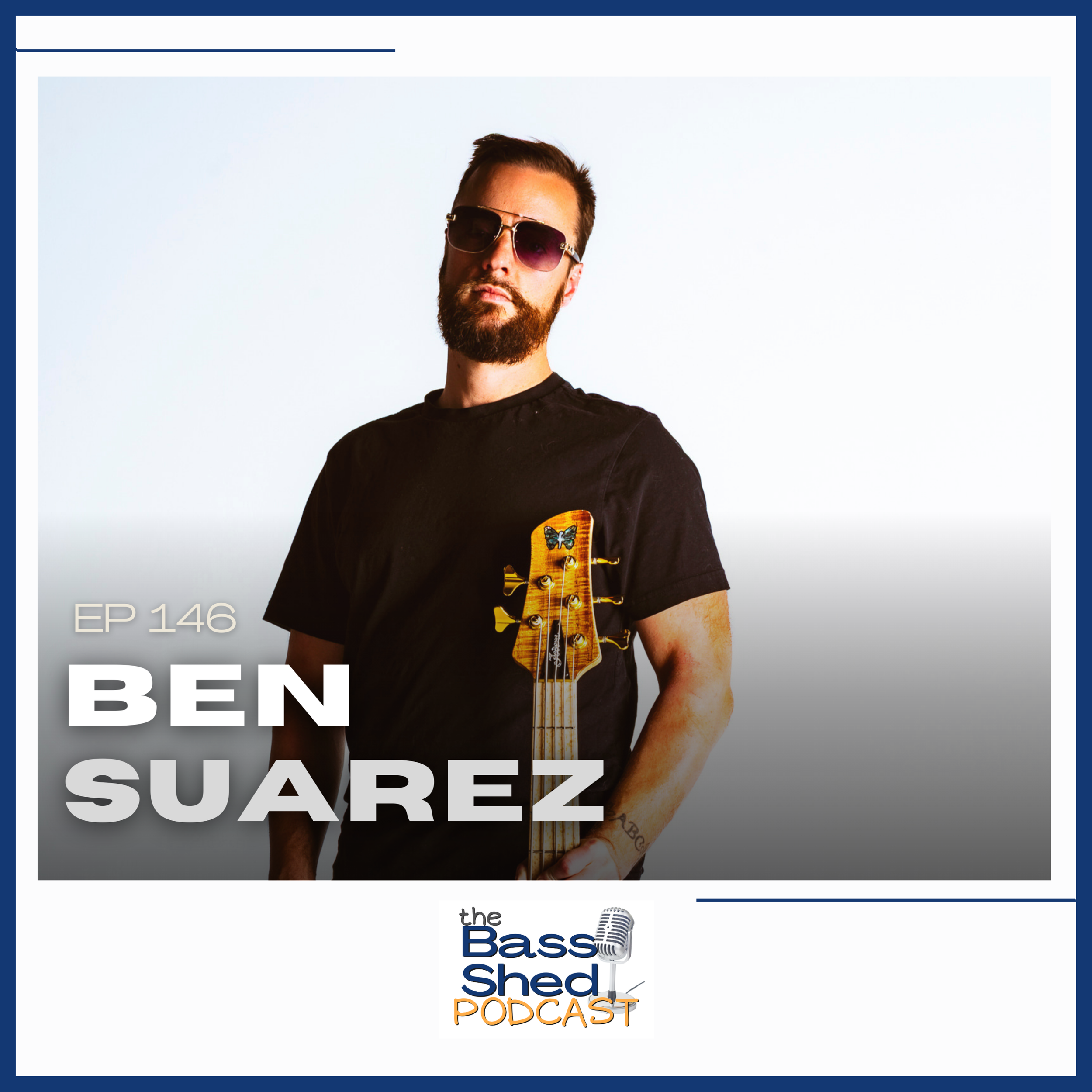
In this members-only 5-Spot segment, Ben Suarez steps into the hot seat for five rapid-fire bassist callouts. From groove architects to genre-blending innovators, Ben reacts in real time — revealing what he values most in tone, time, feel, and serving the song.
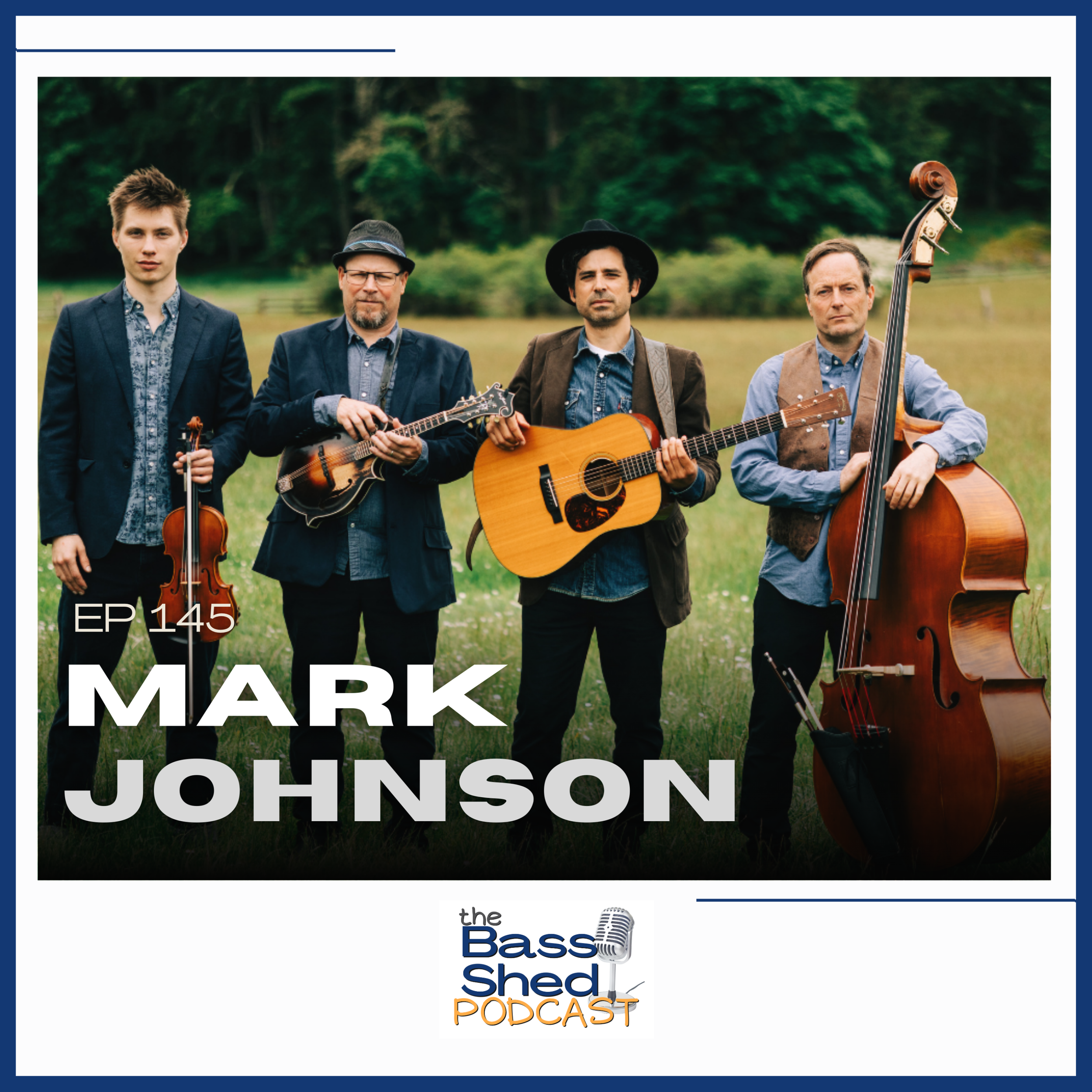
Mark Johnson of Unfaithful Servants takes on The 5 Spot, sharing rapid-fire, first-reaction thoughts on five bassists—revealing his values around time feel, tone, restraint, and serving the song.
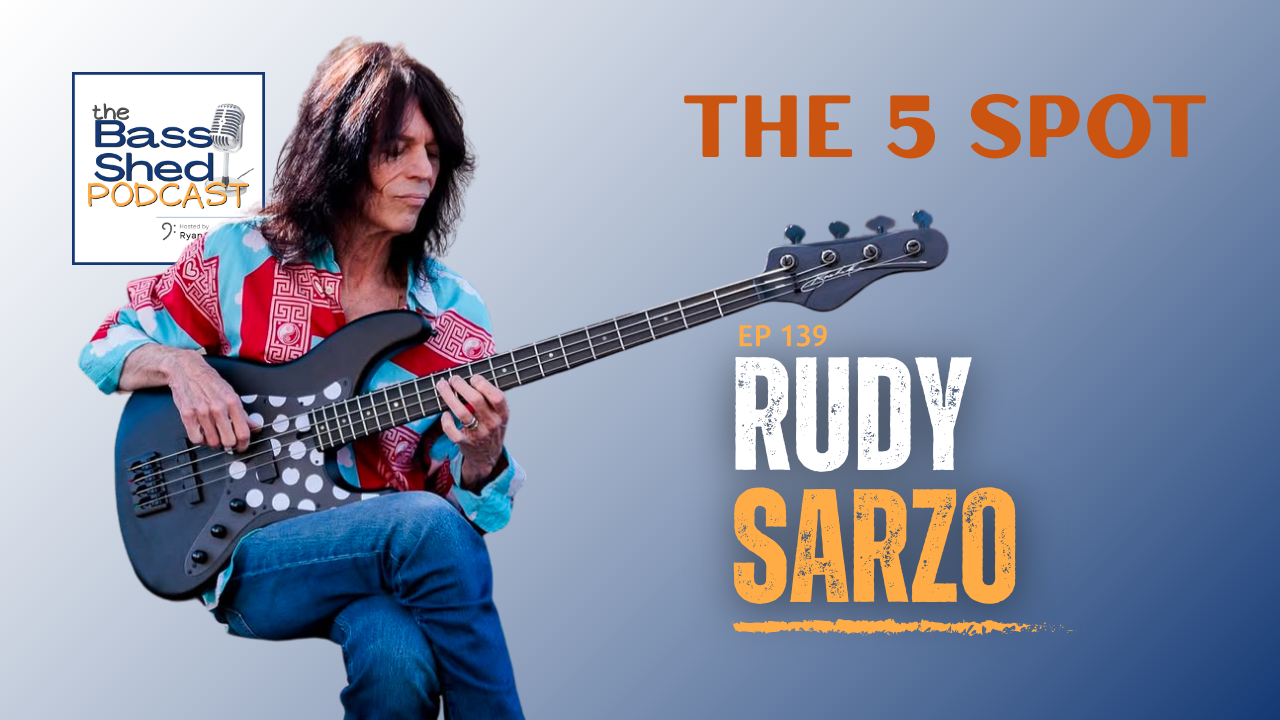
In this Podcast Extras clip from Episode 139 of The Bass Shed Podcast, Rudy Sarzo takes a seat in The 5 Spot — a rapid-fire Top 5 driven by instinct, experience, and clarity. A concise, unscripted look at the influences and mindset behind one of rock’s most respected bass voices.
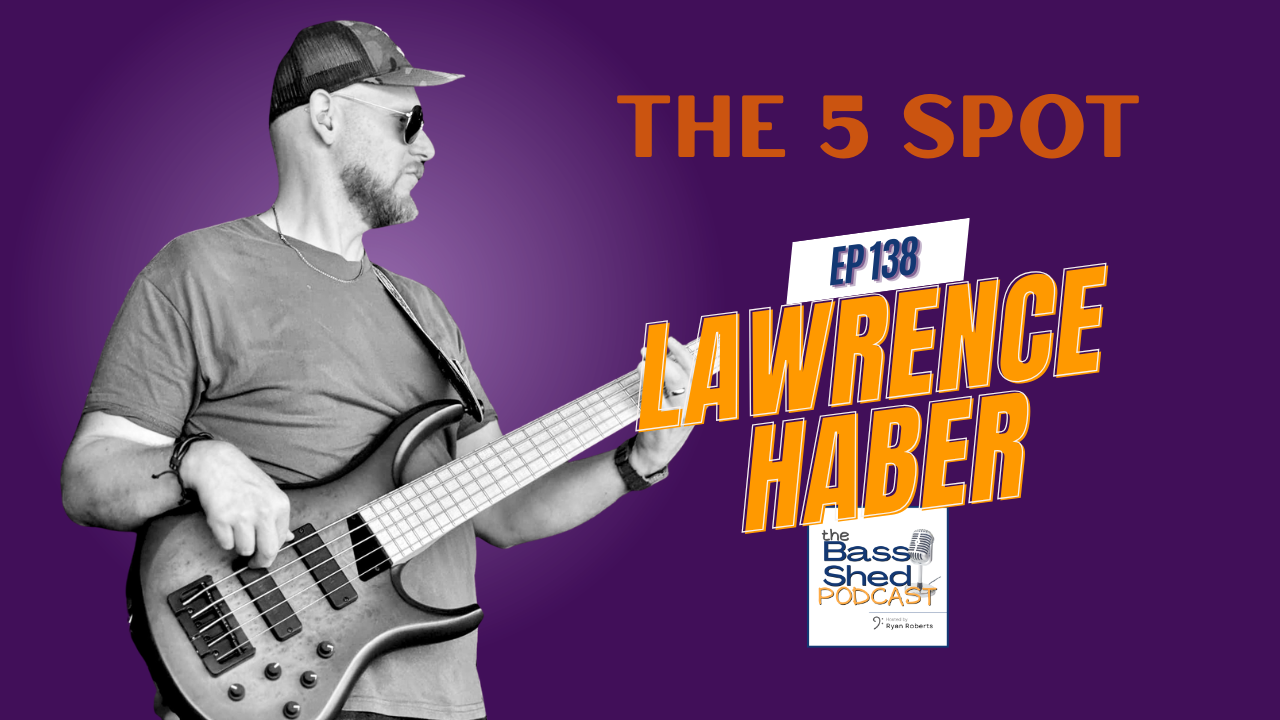
In this Podcast Extras clip from Episode 138 of The Bass Shed Podcast, Lawrence Haber steps into The 5 Spot — a rapid-fire Top 5 with no time to overthink. Quick answers, honest takes, and a candid look at the influences shaping his musical voice.
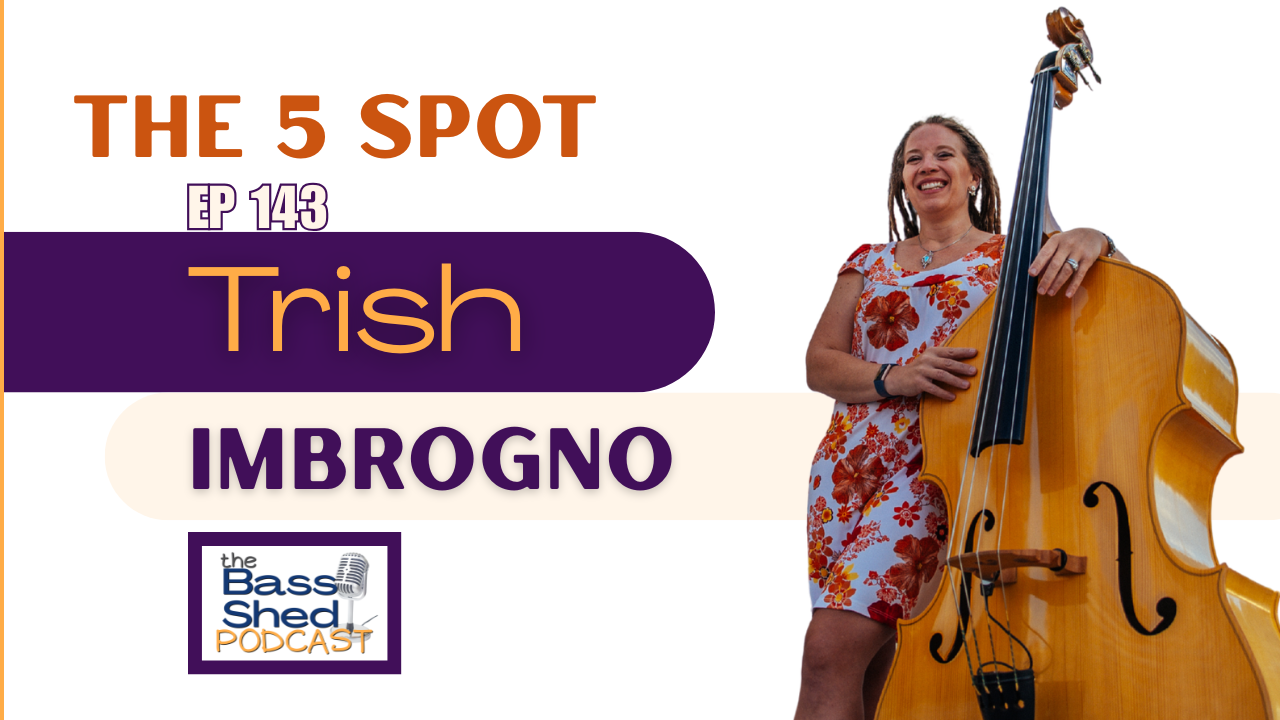
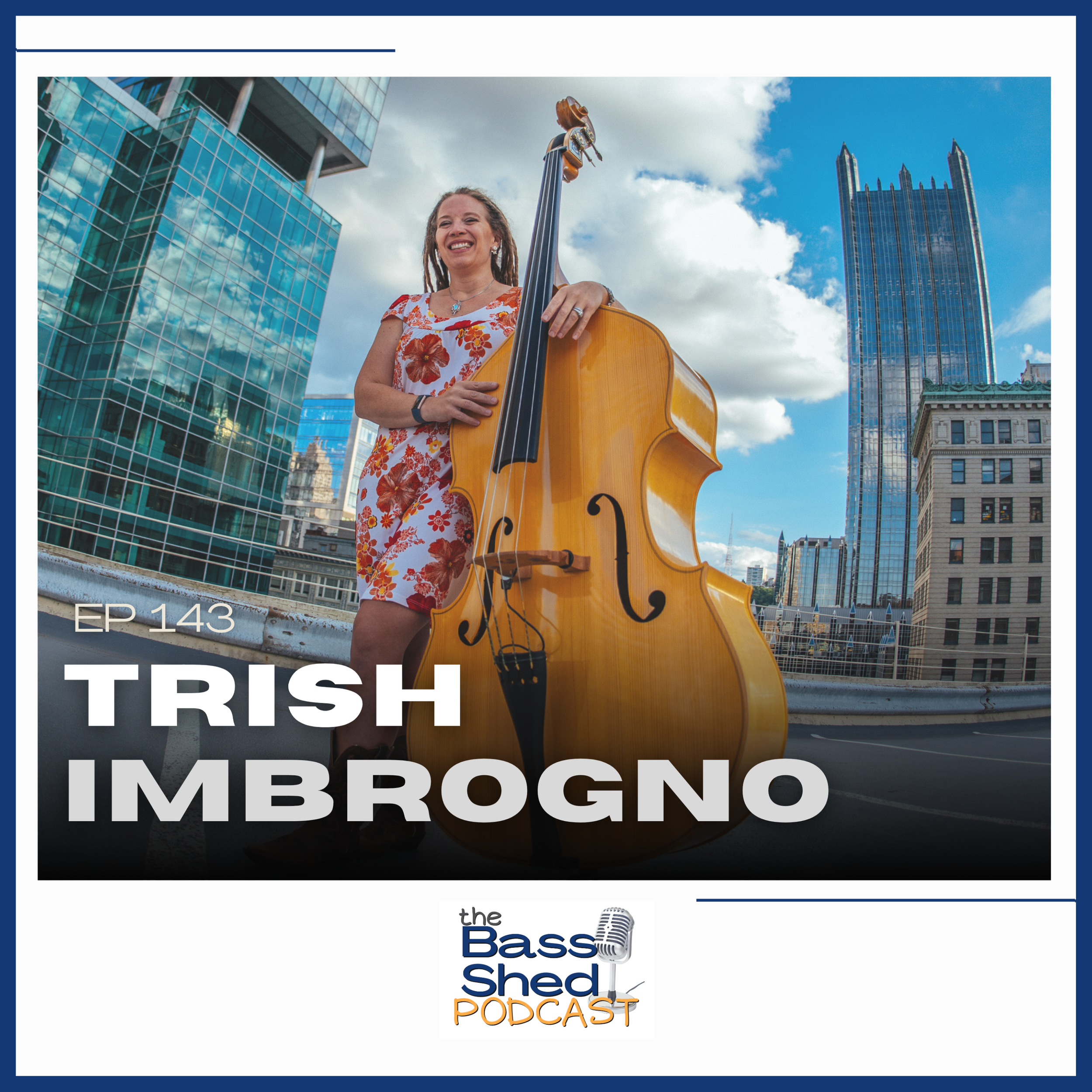
Trish Imbrogno steps into The 5 Spot for a rapid-fire Top 5, sharing first-reaction takes on five bassists in her musical lane. Insightful, honest, and full of musical perspective that reveals how she listens, learns, and connects across genres.
Transcriptions
Deep dives into iconic bass lines and solos, with analysis that reveals the feel, choices, and musical logic behind the notes.
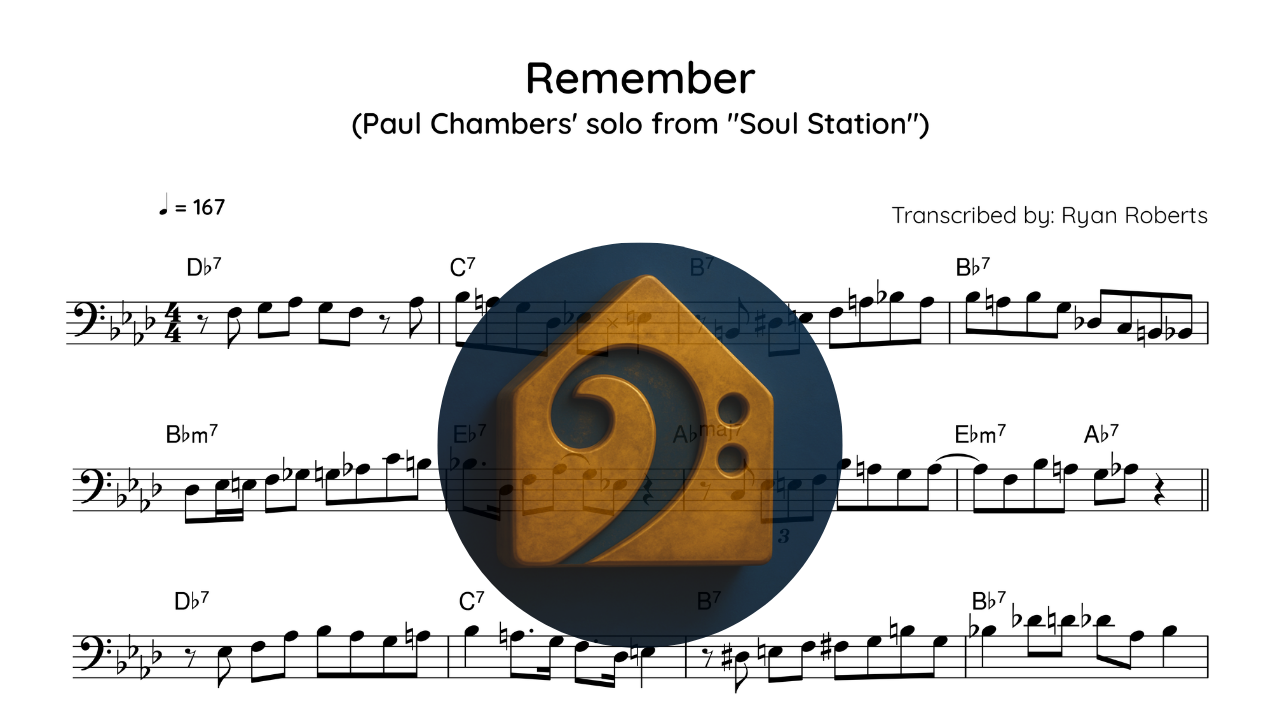
Paul Chambers — Solo on “Remember” (Hank Mobley, Soul Station)
A masterclass in melodic bebop bass. Paul Chambers builds a lyrical solo with strong swing feel, clear harmonic outlines, and phrases that translate directly into your own improvisation vocabulary.
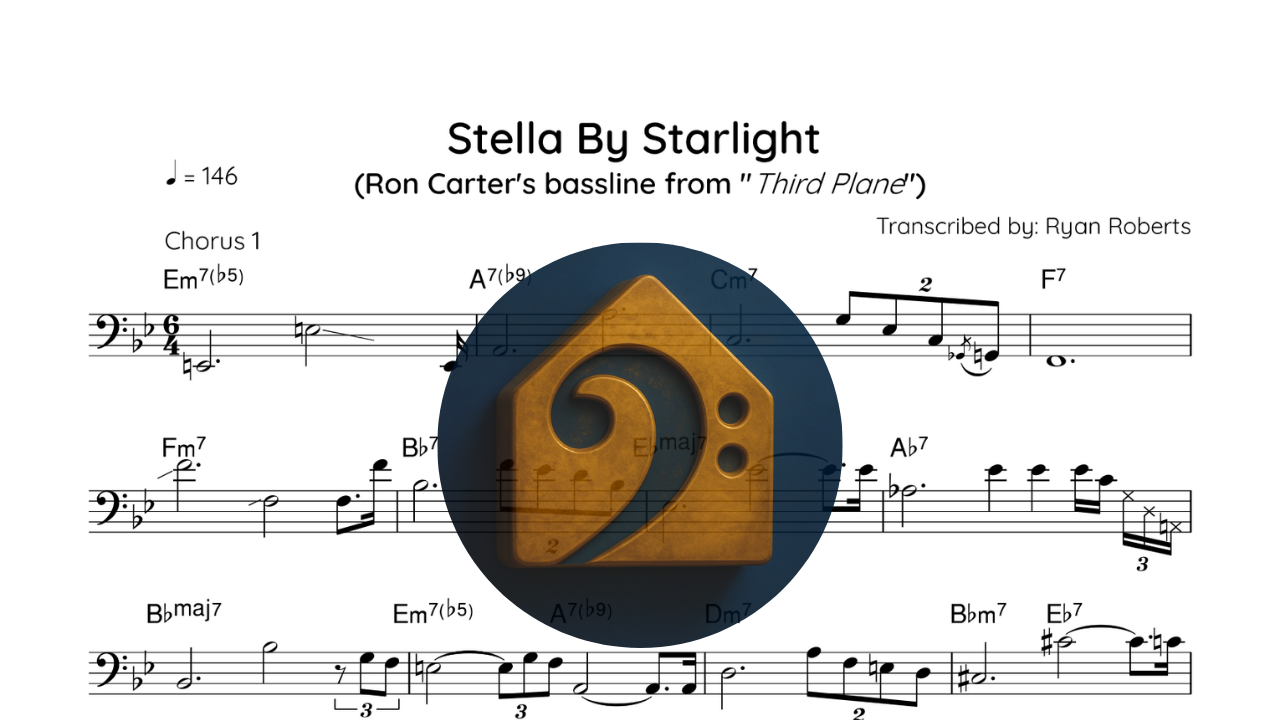
Ron Carter’s solo combines modern harmonic thinking with elegant phrasing. This transcription highlights how space, note choice, and rhythmic placement shape a sophisticated bass voice.
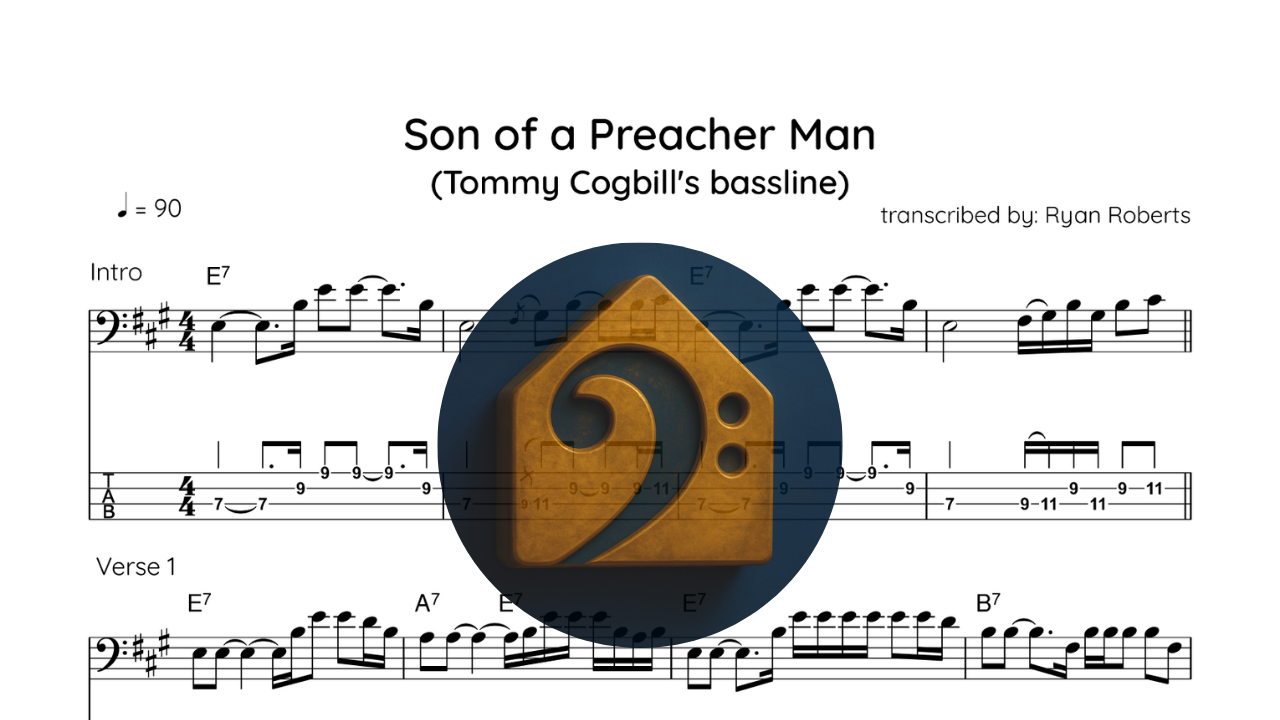
Dusty Springfield — “Son of a Preacher Man”
A soulful groove built on tasteful movement and pocket. This transcription reveals how subtle rhythmic placement gives the line its unmistakable feel.
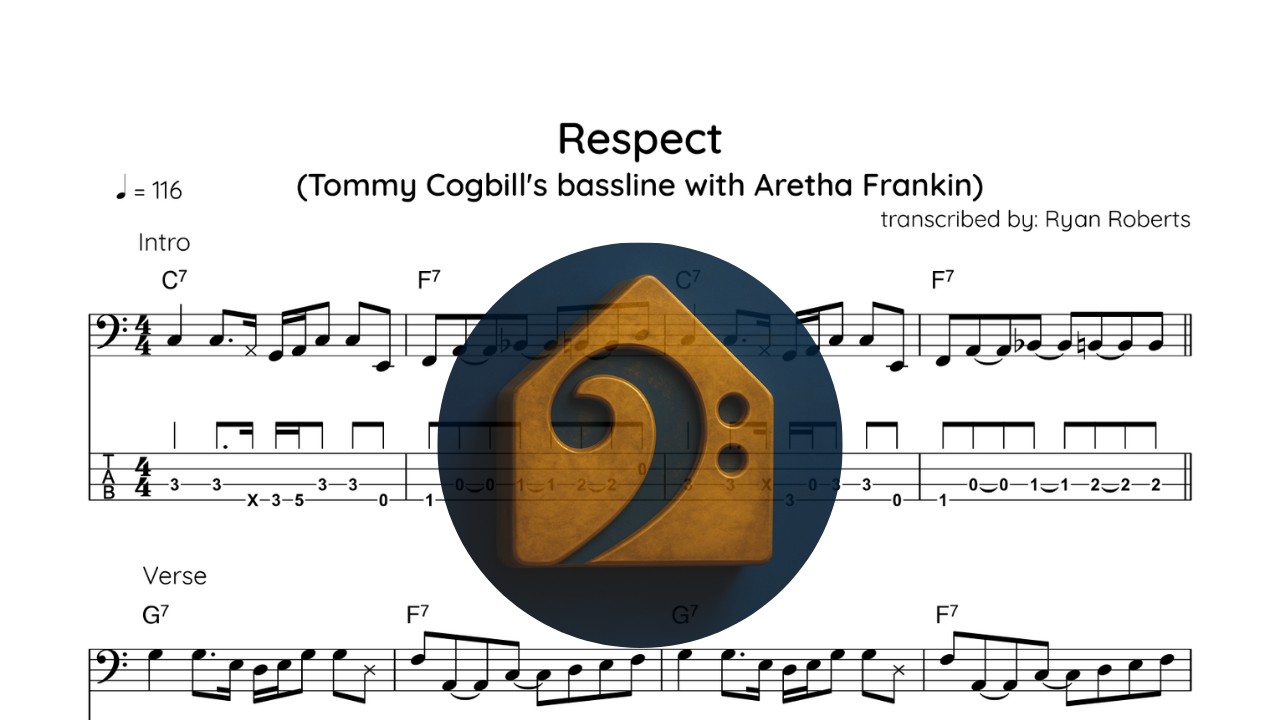
Aretha Franklin — “Respect”
A timeless soul groove that helped define the sound of the late ’60s. The bass locks with the drums to create one of the most recognizable rhythmic foundations in music history.
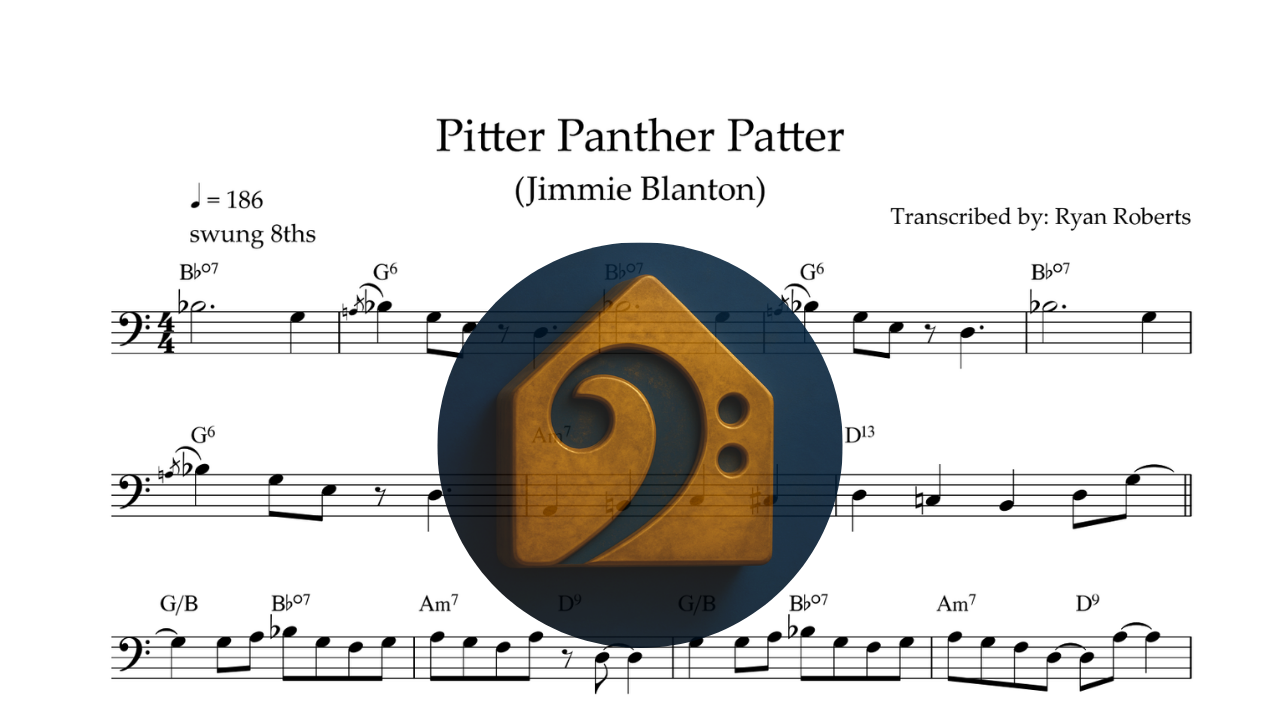
Jimmie Blanton — “Pitter Panther Patter” (Duke Ellington Orchestra)
One of the earliest moments the bass steps forward as a solo voice. Blanton’s phrasing, articulation, and harmonic movement changed the role of the instrument forever.
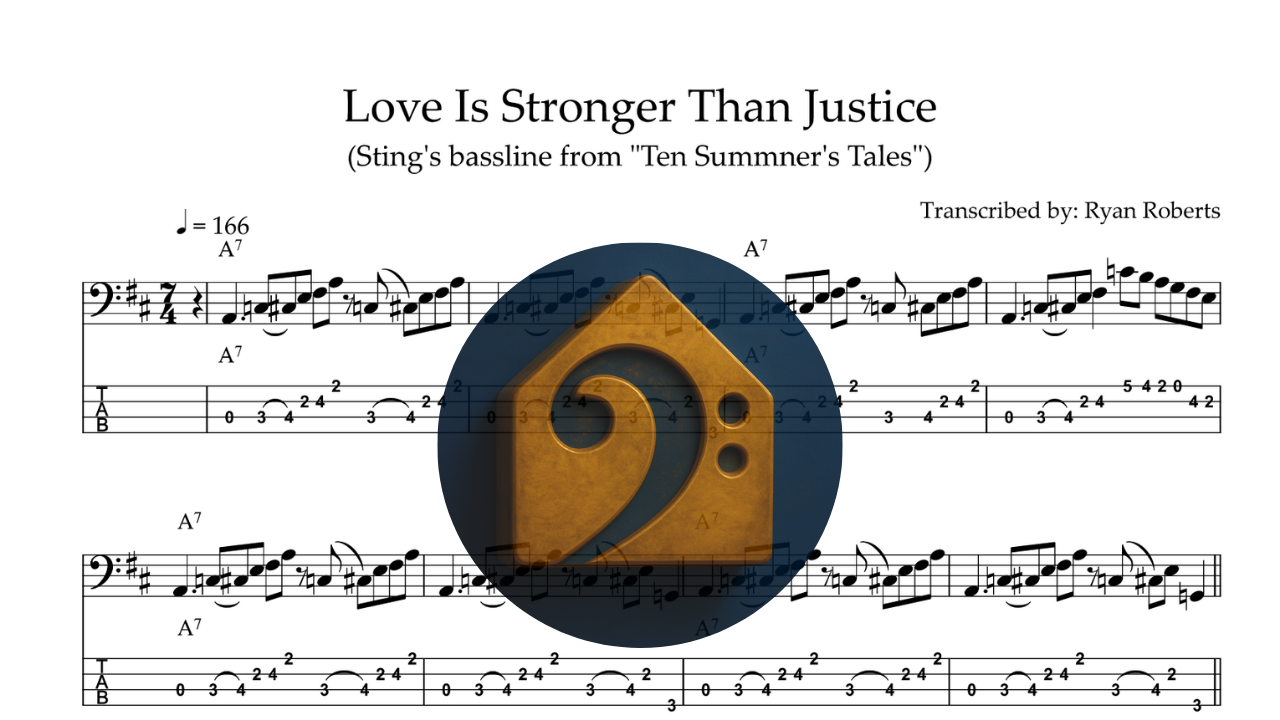
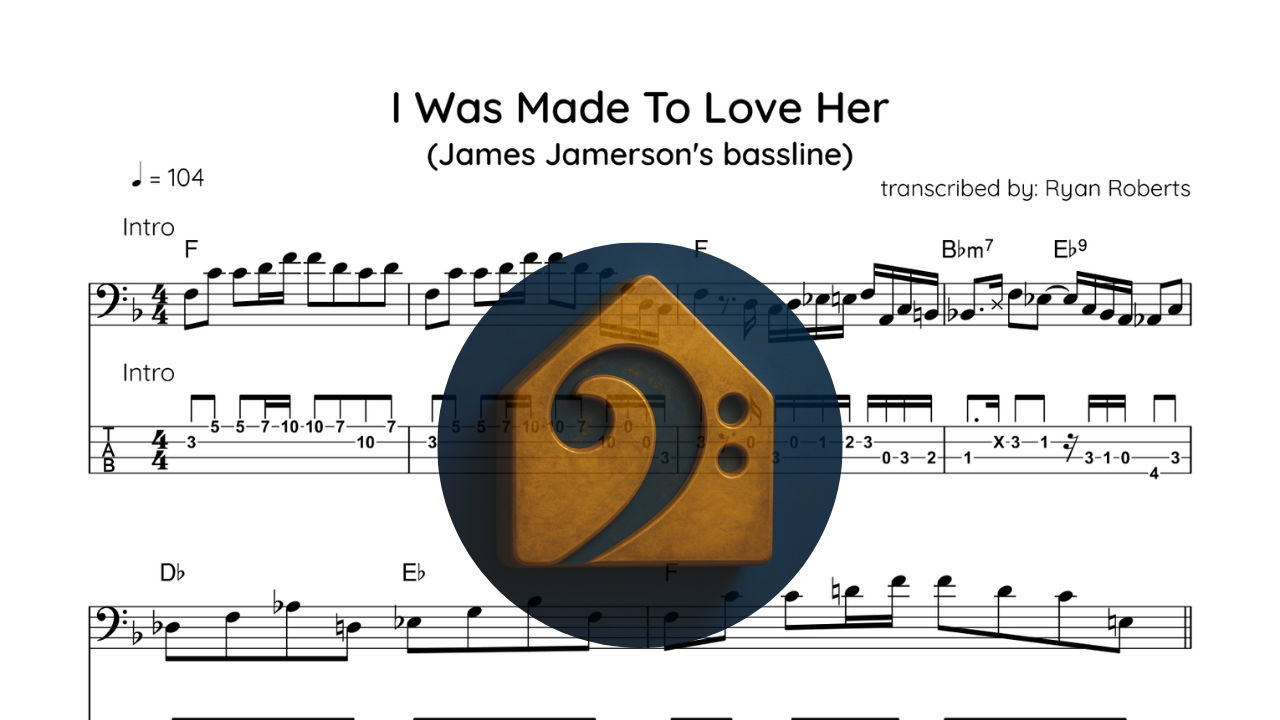
James Jamerson — “I Was Made to Love Her” (Stevie Wonder)
Jamerson’s iconic Motown groove blends melodic fills with relentless pocket. Study how his lines weave rhythm and harmony while driving the entire band forward.
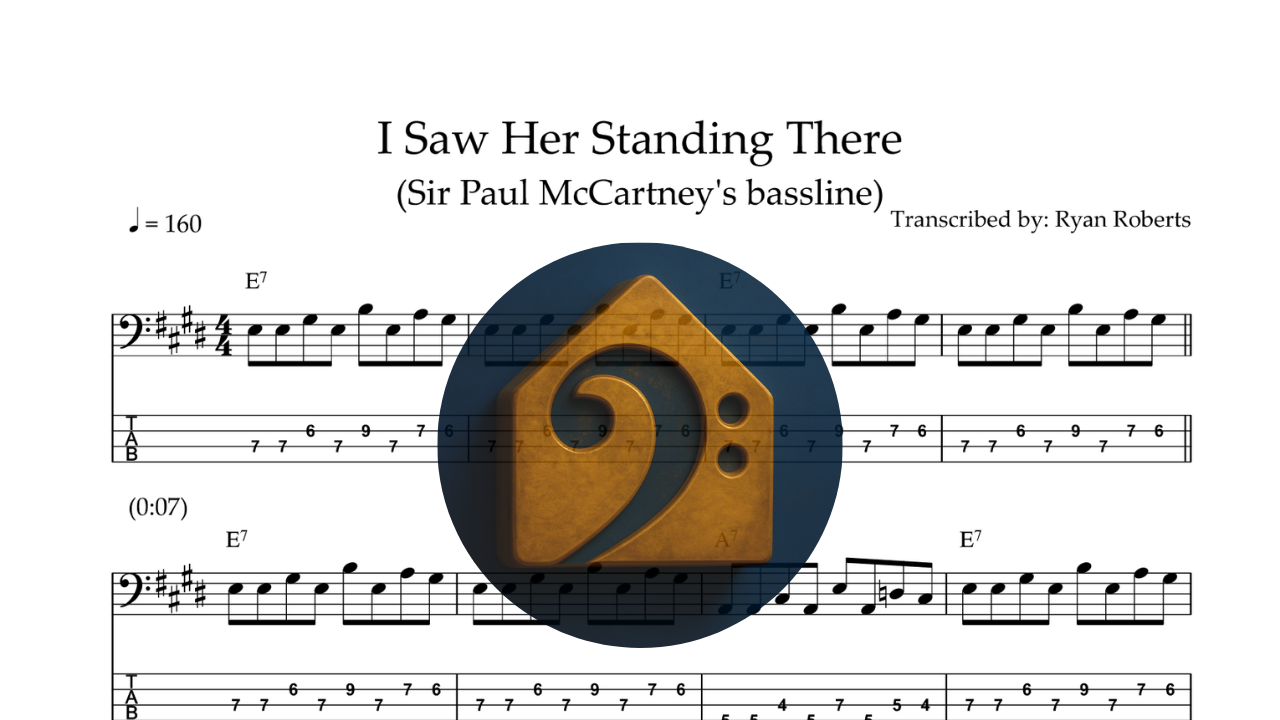
Paul McCartney — “I Saw Her Standing There” (The Beatles)
A driving rock bass line that mixes walking bass influence with early Beatles energy. McCartney’s line shows how strong motion and rhythm can define a song’s momentum.
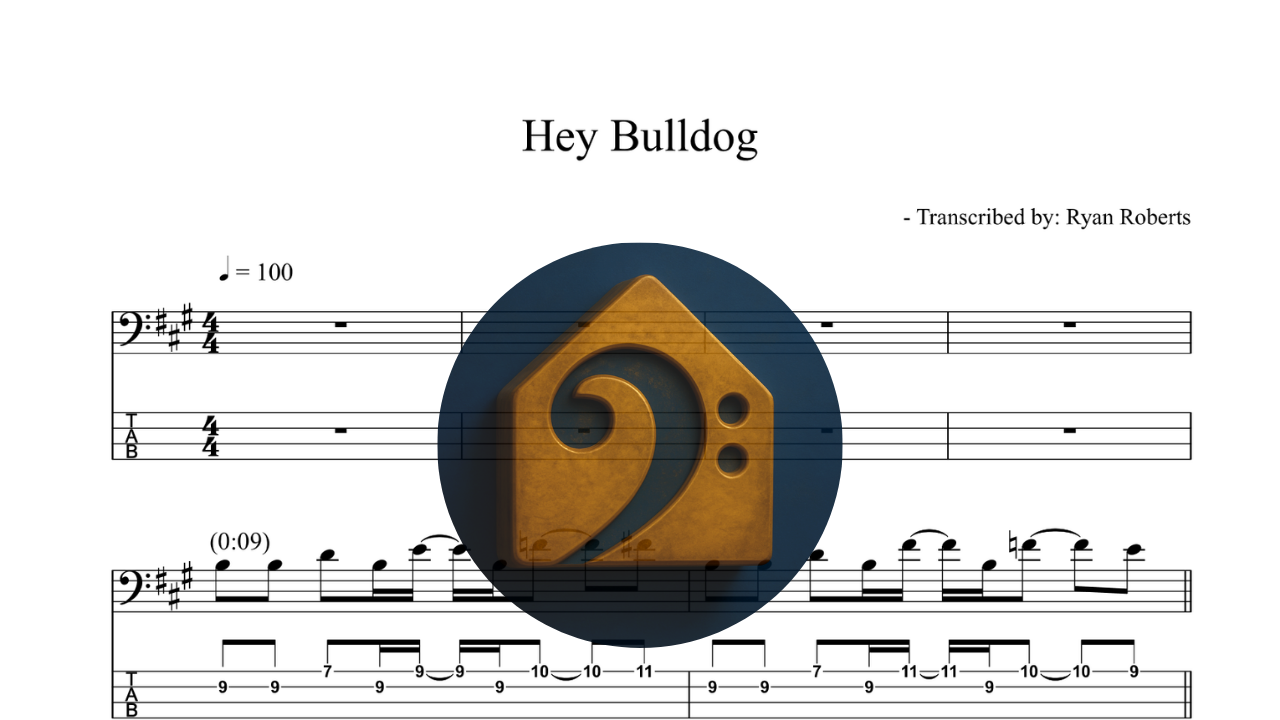
Paul McCartney — “Hey Bulldog” (The Beatles)
A gritty, blues-influenced bass line that anchors the track with swagger. McCartney’s tone, articulation, and rhythmic push make this one of his most distinctive performances.
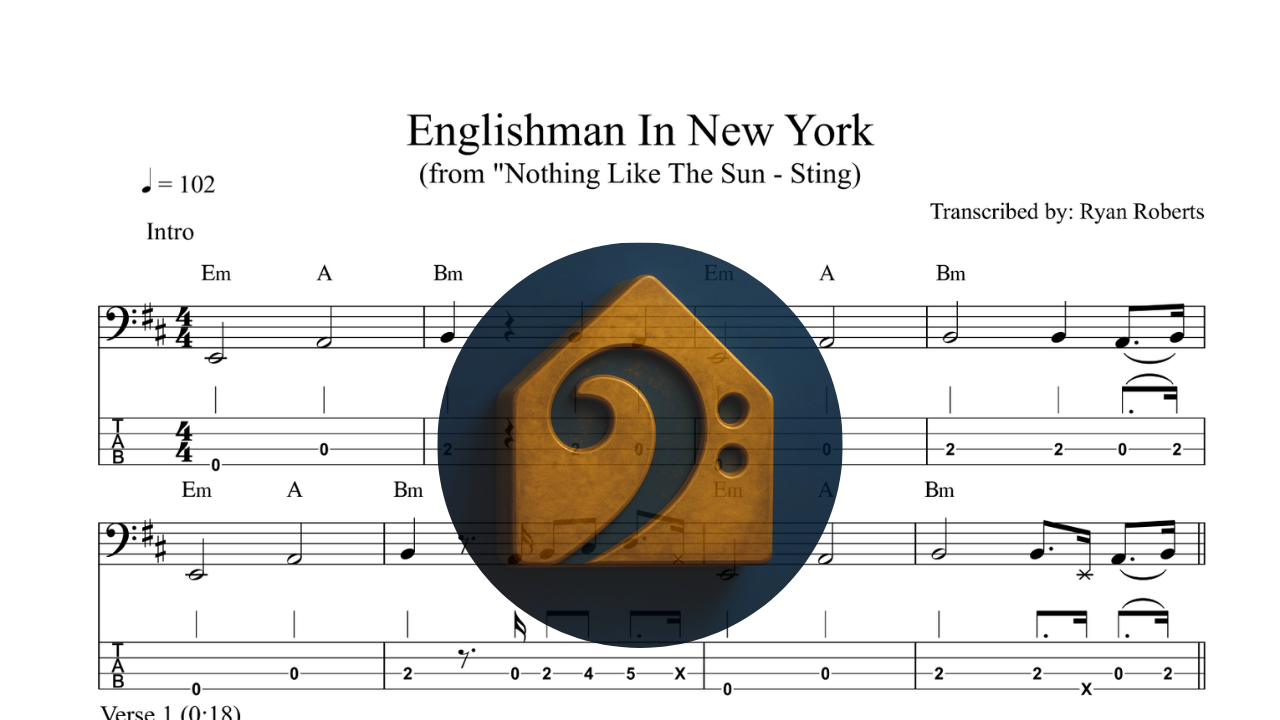
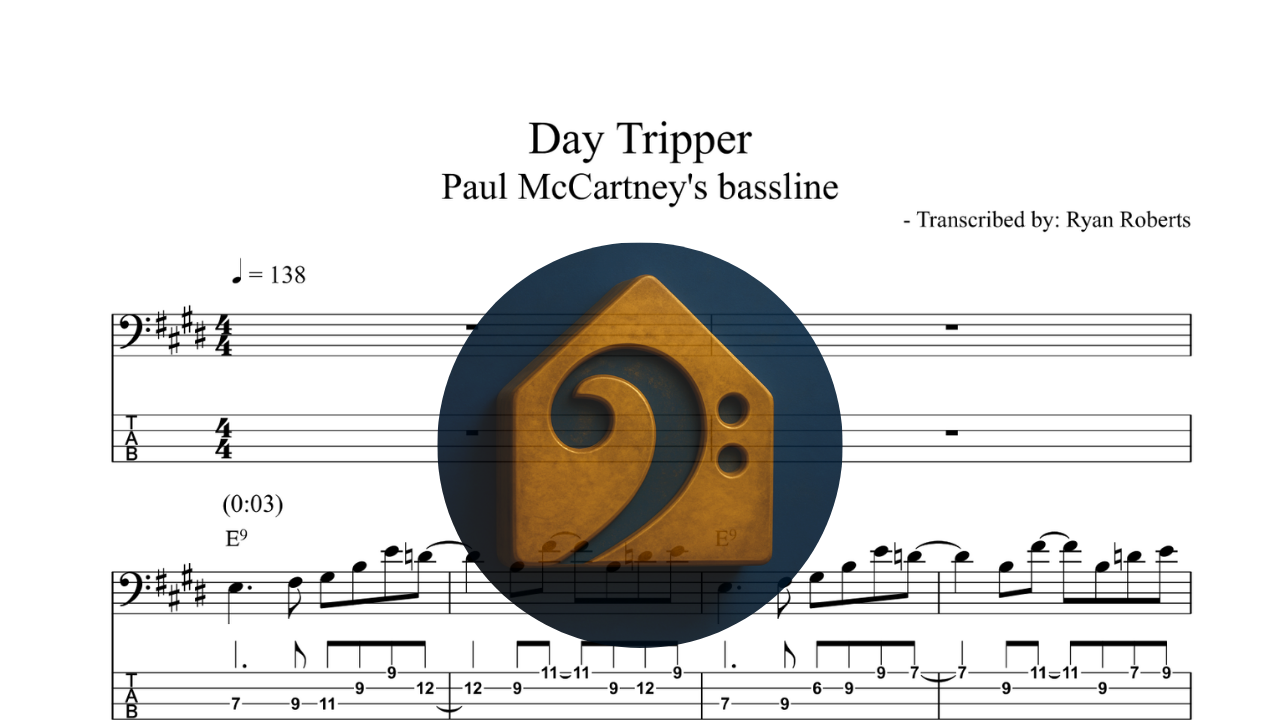
Paul McCartney — “Day Tripper” (The Beatles)
One of the most recognizable bass lines in rock. McCartney locks tightly with the iconic guitar riff, reinforcing the groove while adding subtle movement that gives the track its drive and attitude.

Sting — “Can’t Stand Losing You” (The Police)
A tight reggae-influenced bass line that anchors the groove while leaving space for the band’s rhythmic interplay. Sting’s tone, timing, and restraint show how simplicity can create powerful momentum.
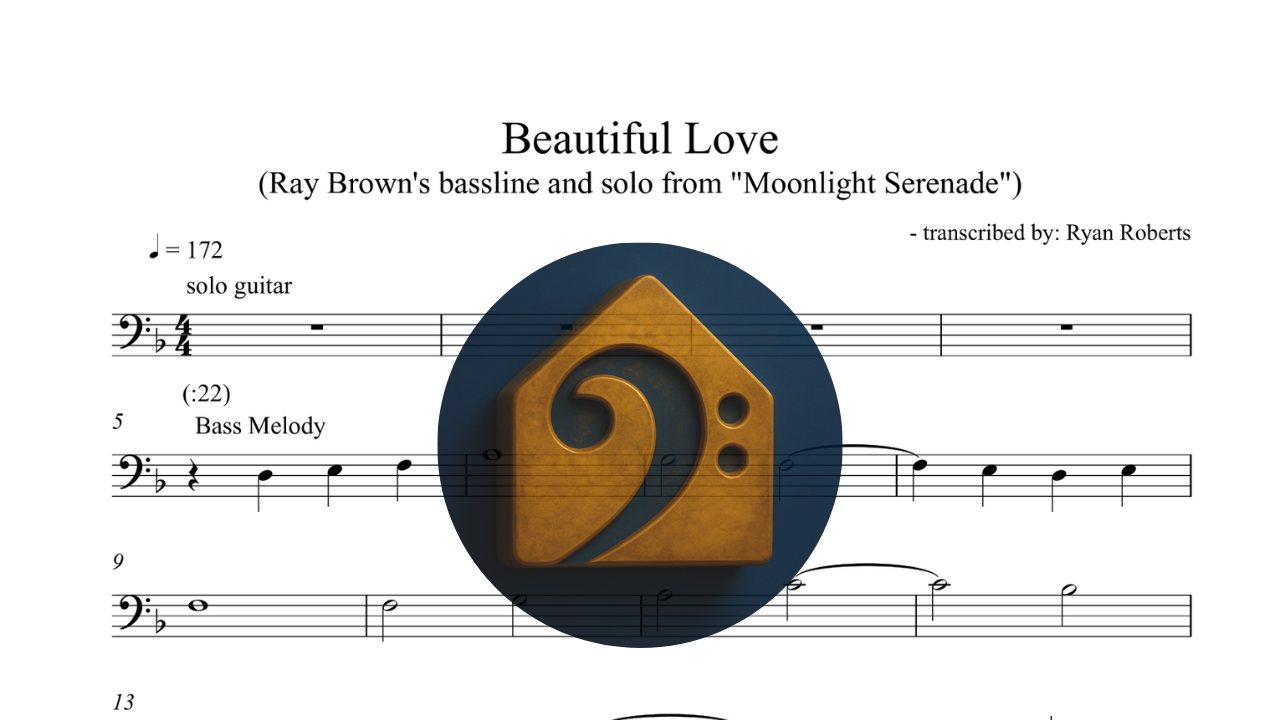
Ray Brown — “Beautiful Love” (Moonlight Serenade)
This transcription captures Ray Brown’s complete performance — including his expressive arco introduction, walking bass line, and lyrical solo. A powerful example of tone, phrasing, and swing from one of jazz bass’s greatest voices.
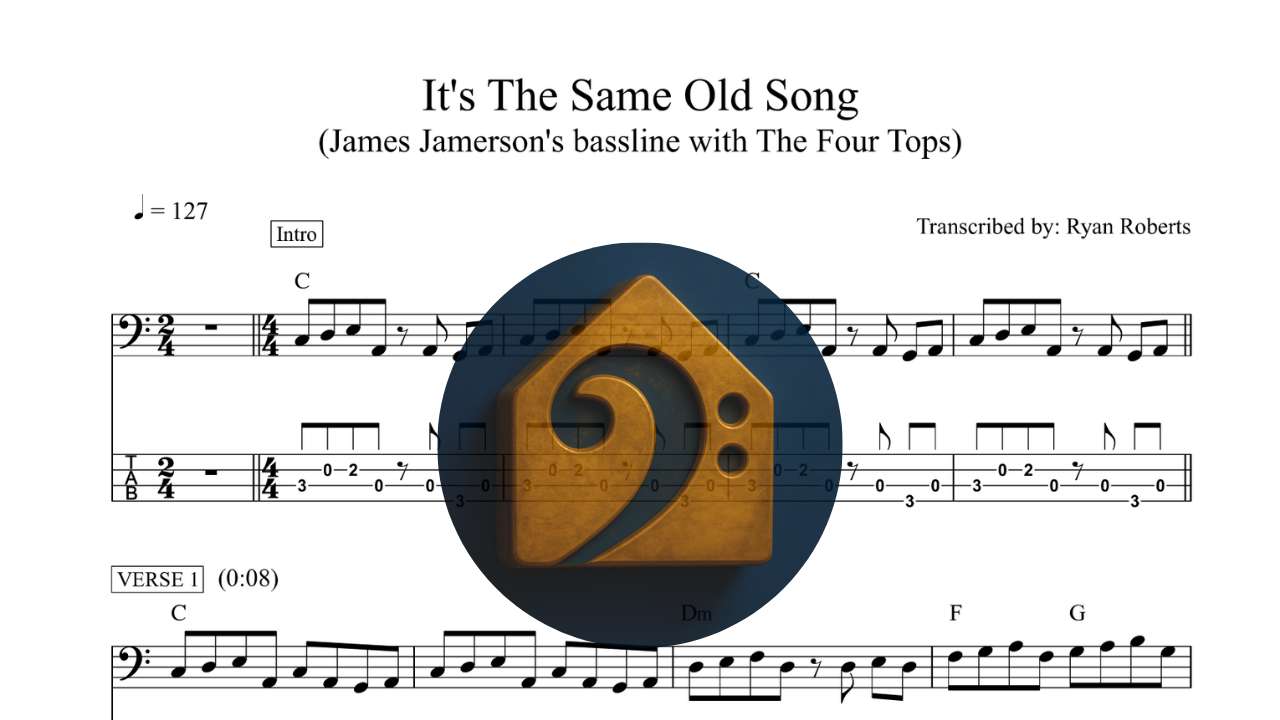
James Jamerson’s bassline on “It’s the Same Old Song” is a perfect blend of drive, melody, and rhythmic lift. His playing gives the tune its infectious forward motion while weaving countermelodies that elevate the vocal and push the entire arrangement into classic Motown energy.
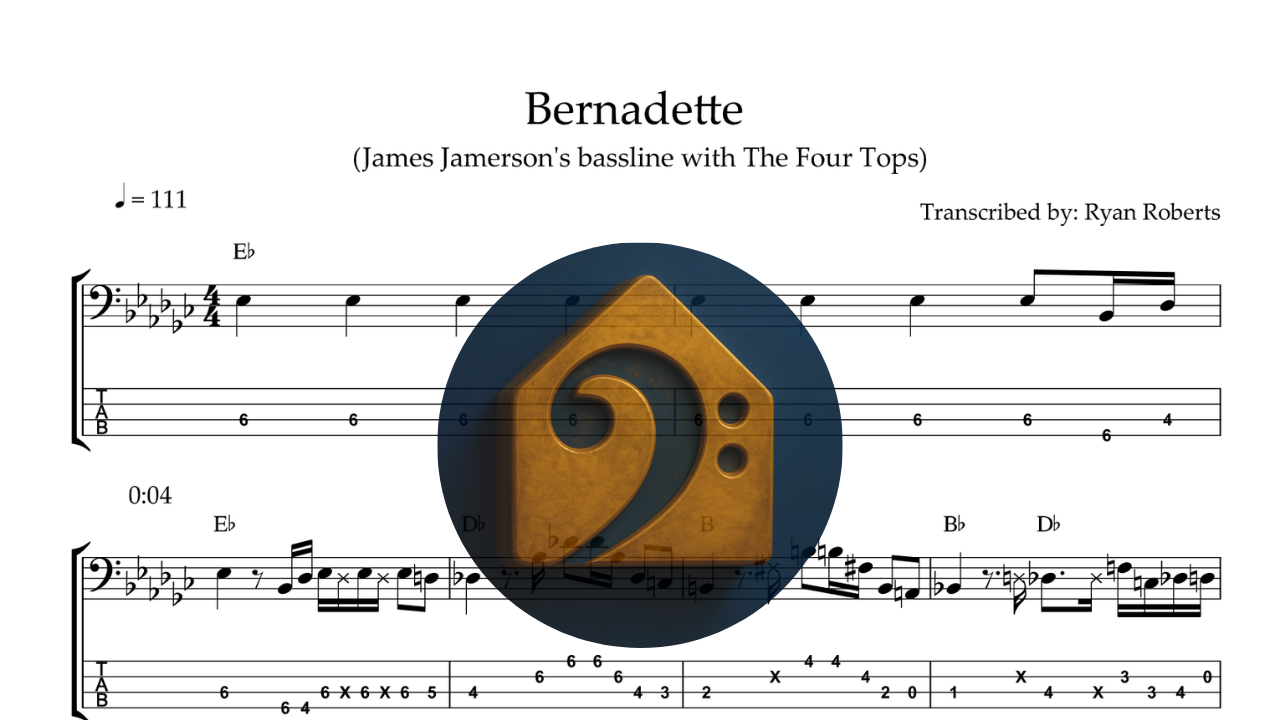
James Jamerson’s bassline on “Bernadette” is one of the most explosive, emotionally charged performances in the entire Motown catalog. His driving pulse, melodic invention, and fearless rhythmic push make the song surge forward with urgency and fire. This is Jamerson at his most commanding — powerful, lyrical, and completely in control of the music’s emotional engine.
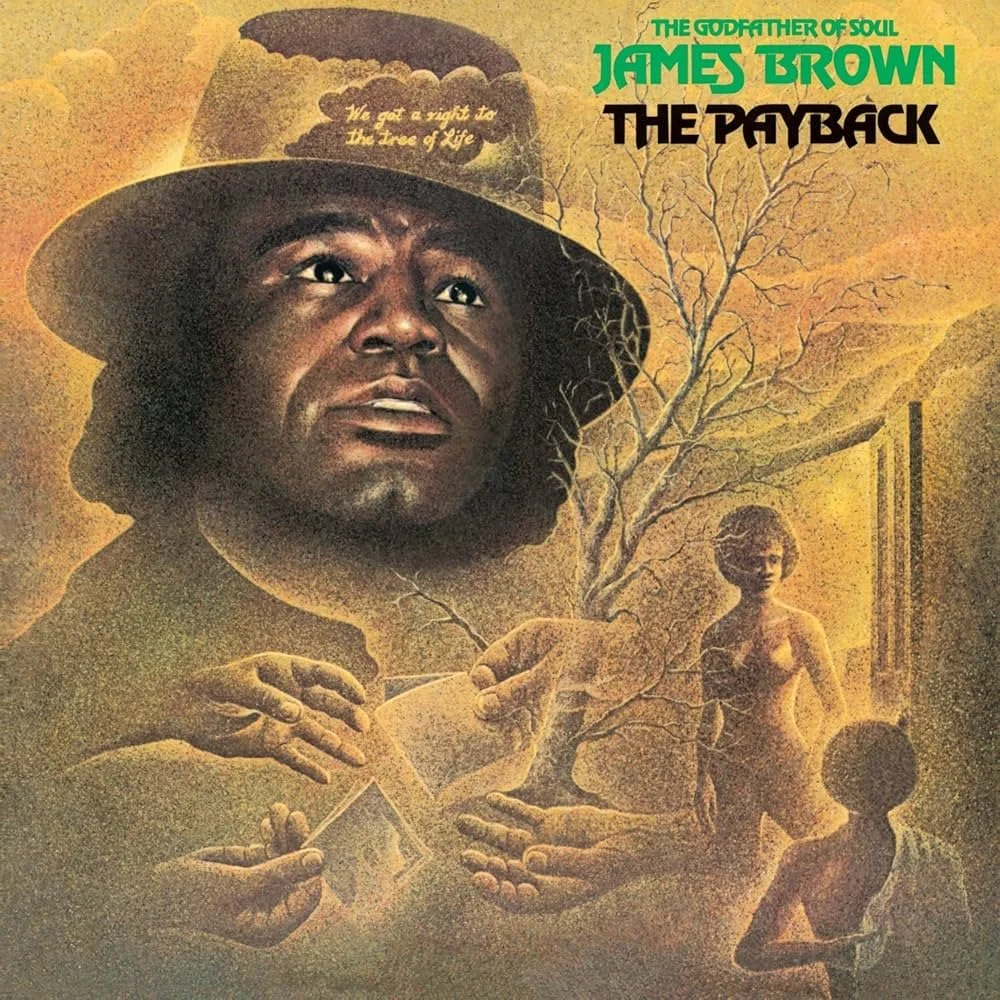
Fred Thomas’ bassline on “The Payback” is one of the deepest pockets ever recorded — a slow-burn, hypnotic groove built from space, intention, and absolute control. His tone, placement, and discipline create the unmistakable pulse of the track, proving how much power lives inside a simple idea played with conviction.
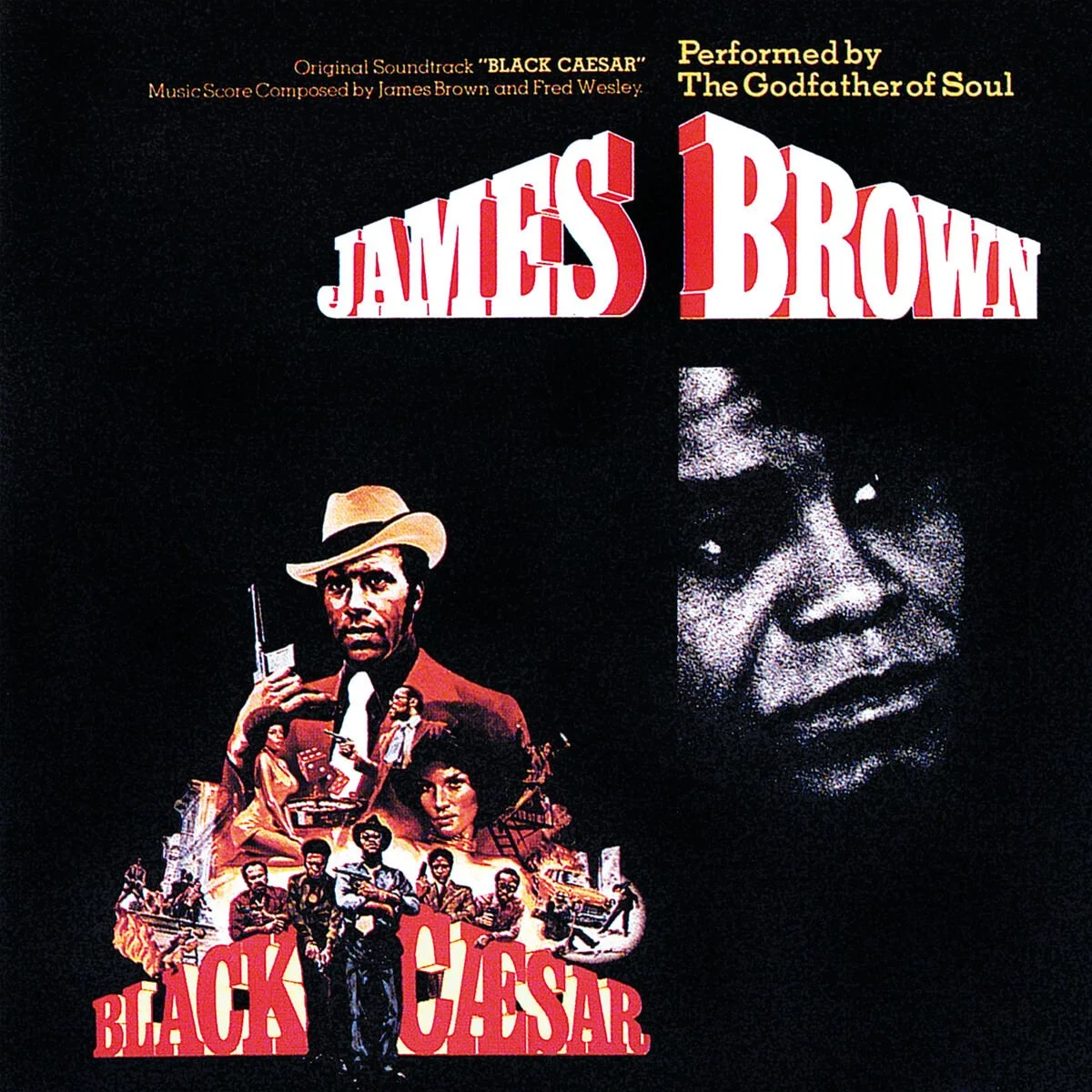
Fred Thomas’ bassline on James Brown’s “The Boss” is a masterclass in tight, disciplined funk pocket. His playing is lean, precise, and packed with attitude—providing the relentless forward motion and rhythmic definition that make the groove hit with so much authority.
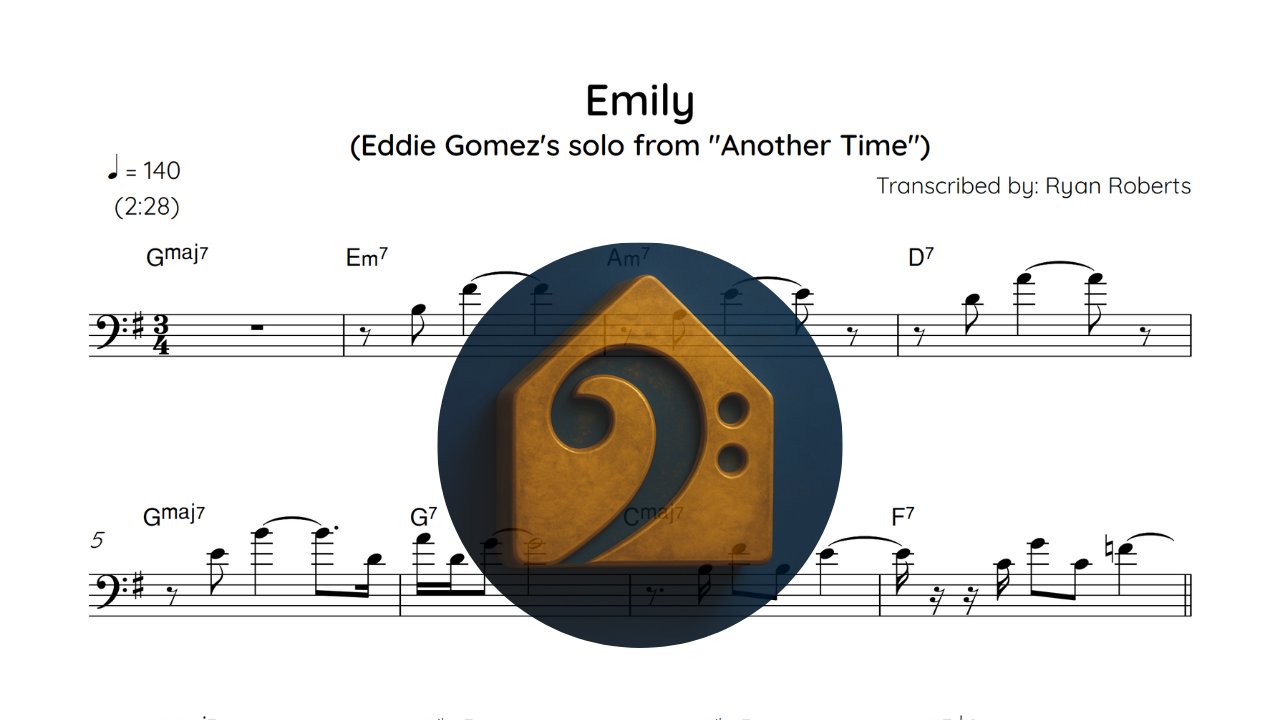
Eddie Gómez’s solo on “Emily” from Another Time is a stunning example of lyrical bass improvisation—fluid, expressive, and technically effortless. His phrasing dances around Bill Evans’ harmonies with clarity and emotional depth, creating a solo that feels both intimate and virtuosic without ever losing its musical center.

Donald “Duck” Dunn’s bassline on “Knock on Wood” is a masterclass in groove clarity and soul-pocket authority. His part is simple, steady, and deeply supportive—driving the song with a clean, confident pulse that locks perfectly with the drums and leaves space for the horns and vocals to shine.
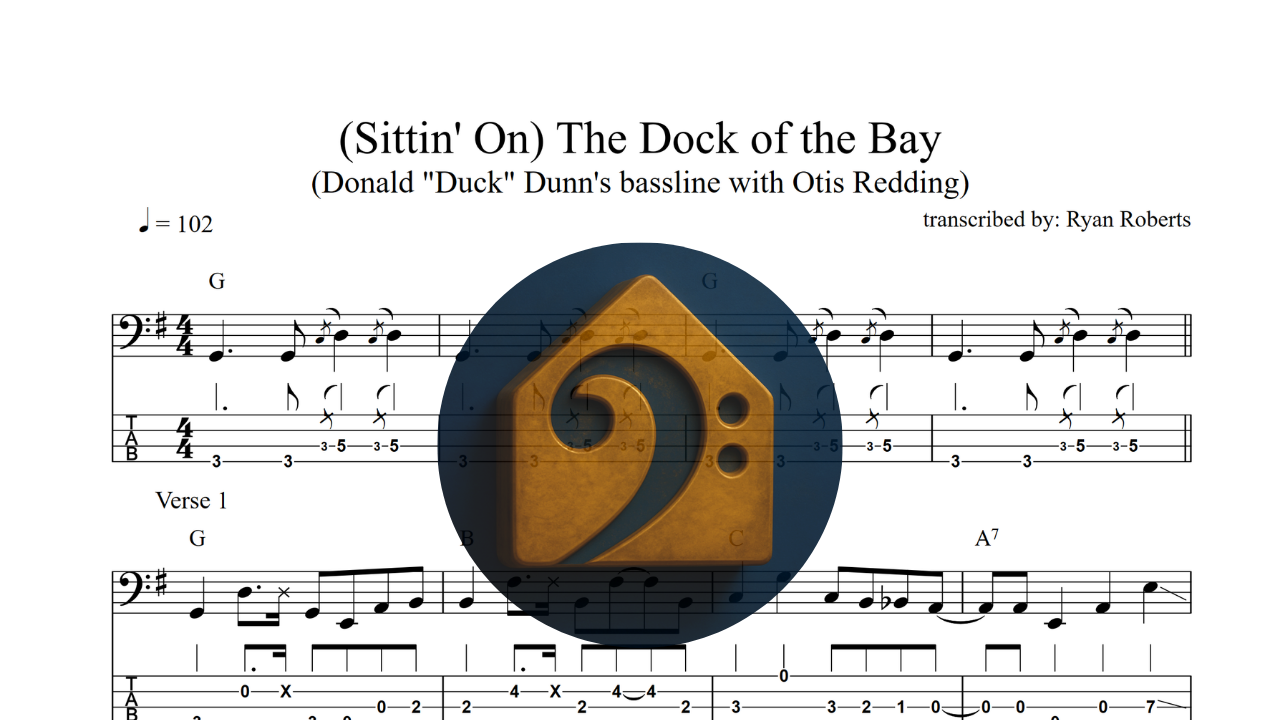
Donald “Duck” Dunn’s bassline on “(Sittin’ On) The Dock of the Bay” is a masterclass in feel, support, and quiet authority. His warm tone, laid-back placement, and understated movement create the emotional foundation of the song, proving how powerful simplicity can be when delivered with absolute conviction.
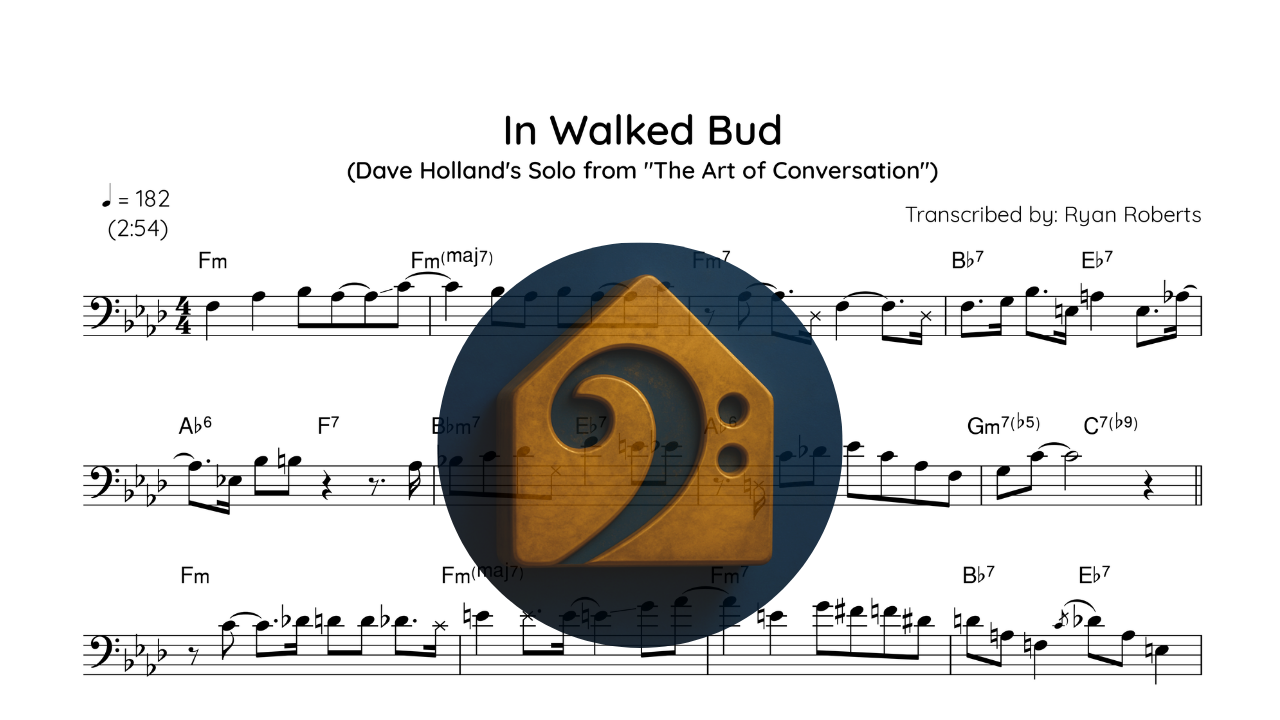
Dave Holland’s solo on “In Walked Bud” is a study in clarity, intention, and melodic intelligence inside a modern jazz context. With effortless command of time and harmony, Holland shapes a solo that is both deeply rooted in the bebop language and unmistakably personal—lyrical, purposeful, and full of rhythmic nuance.

Chuck Rainey’s bassline on “Are You Ready?” delivers a powerful electric shuffle rooted in blues feel and driven by a clear, forward-moving pulse. His rhythmic variations, warm tone, and subtle harmonic coloring give the tune energy and direction, making this a standout example of how to play a jazz shuffle on electric bass with authority and purpose.
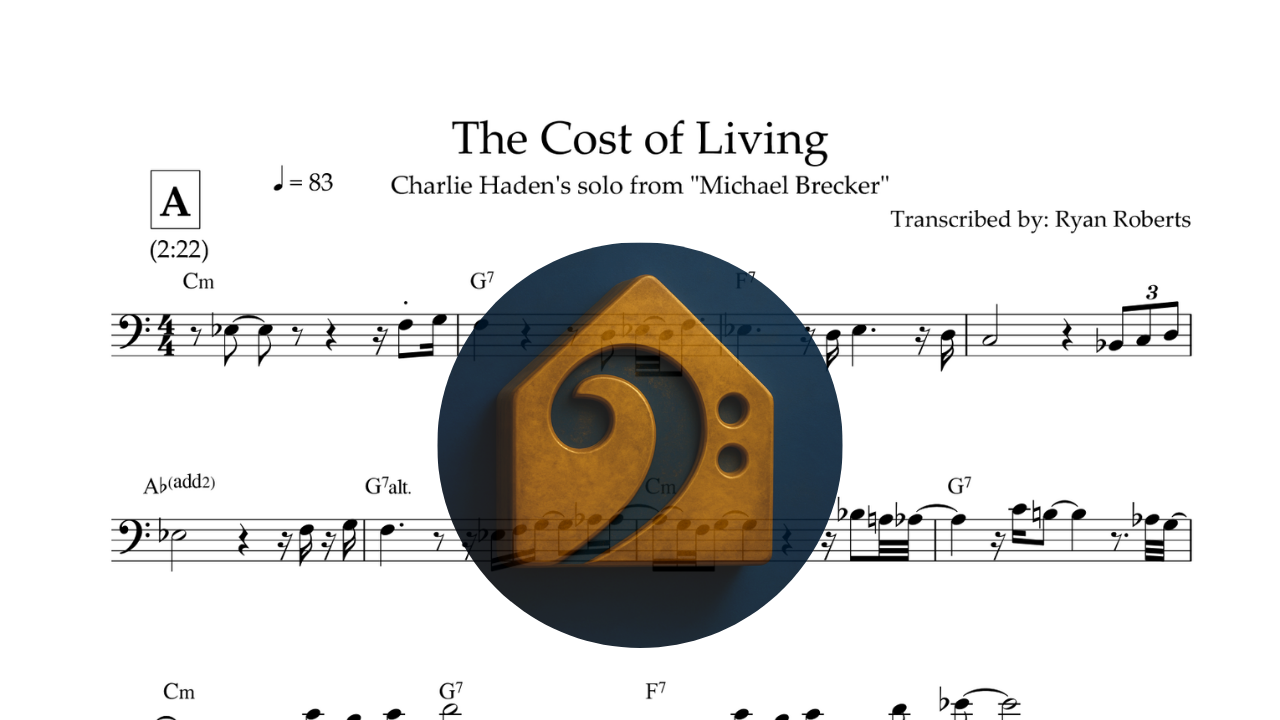
Charlie Haden’s solo on “Cost of Living” is a powerful example of melodic restraint and emotional depth. With warm tone, patient phrasing, and perfectly placed notes, Haden shapes a story that rises above technique and speaks directly to the listener. This transcription highlights his mastery of space, feel, and narrative-driven soloing.
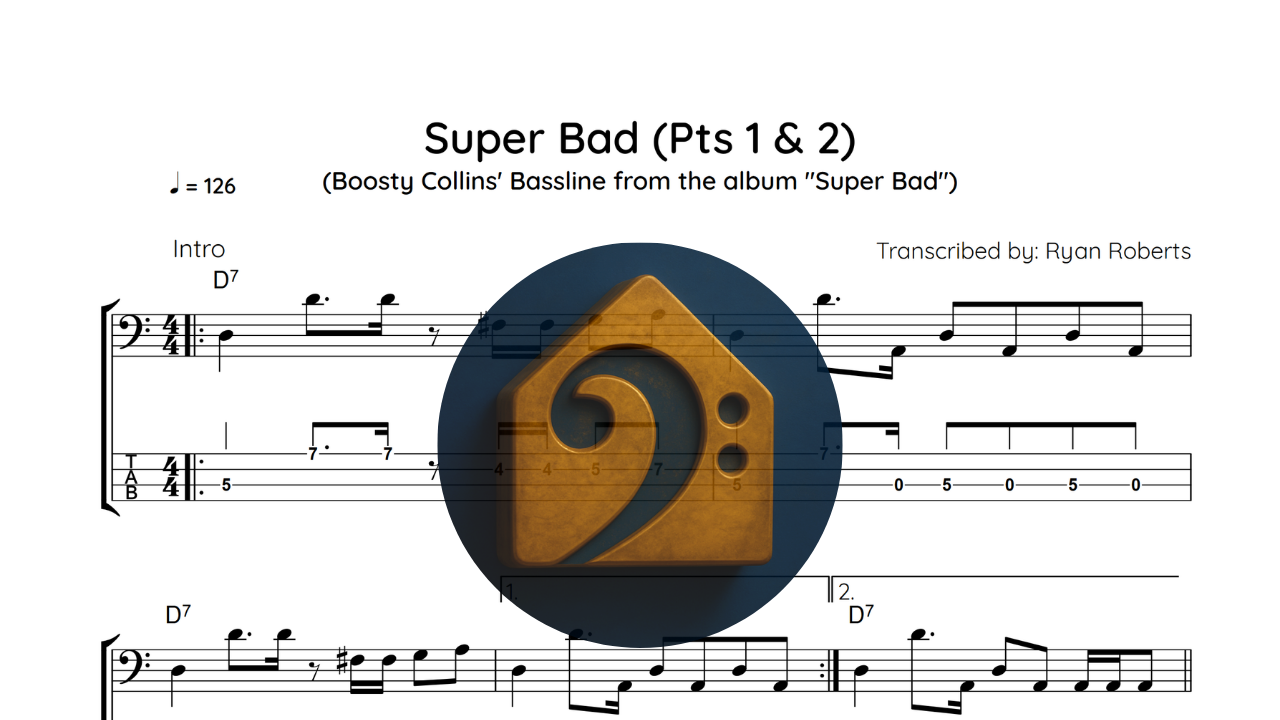
Bootsy Collins’ bassline on “Super Bad” is a masterclass in behind-the-beat funk — loose, minimal, and full of personality while still locked into James Brown’s strict rhythmic discipline. His warm, dry tone and elastic pocket create the hypnotic groove that defines the track and sets the stage for the evolution of modern funk.
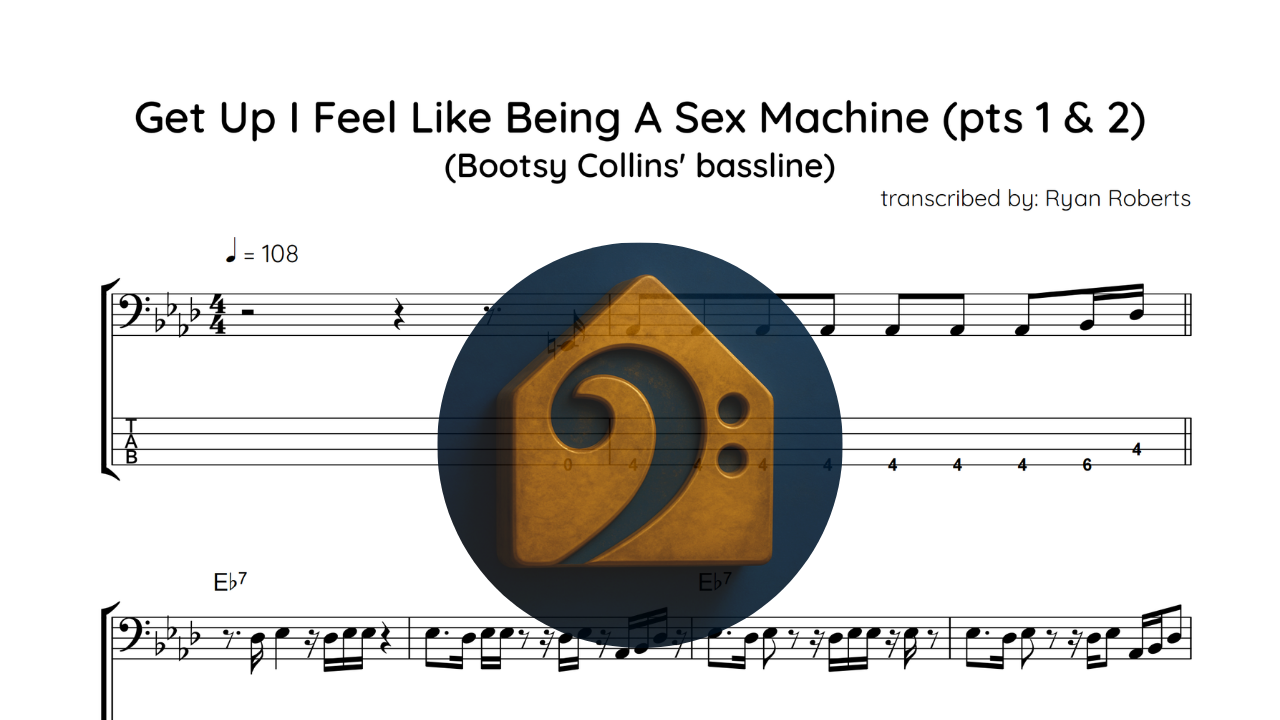
Bootsy Collins’ bassline on “Sex Machine” is a masterclass in minimalist funk — deep pocket, relaxed placement, and the kind of rhythmic discipline that can make a two-bar groove feel endlessly alive. His behind-the-beat swagger and punchy, controlled tone define the track’s iconic feel and set the blueprint for modern funk bass playing.
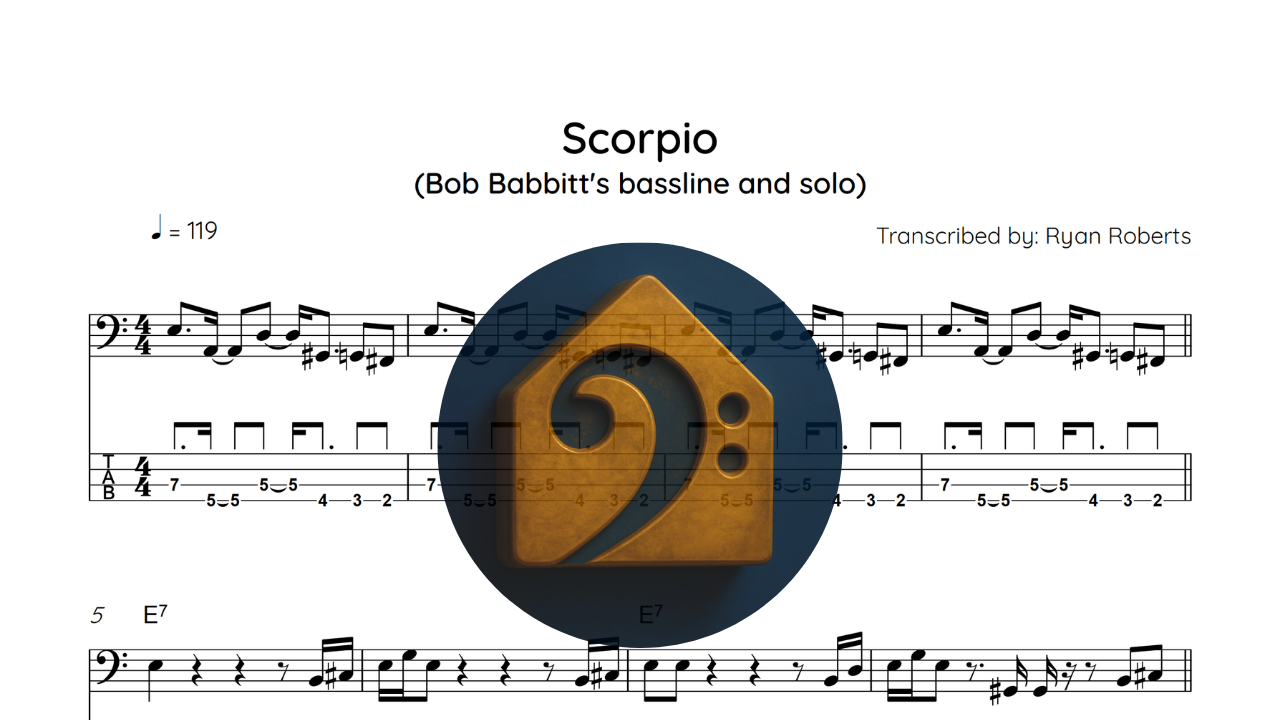
Bob Babbitt’s bassline on “Scorpio” is a landmark funk performance — fast, relentless, and anchored by machine-like precision. Featuring the only recorded Bob Babbitt bass solo, the track showcases his incredible articulation, stamina, and center-pocket control, making it an essential study for high-level groove players.
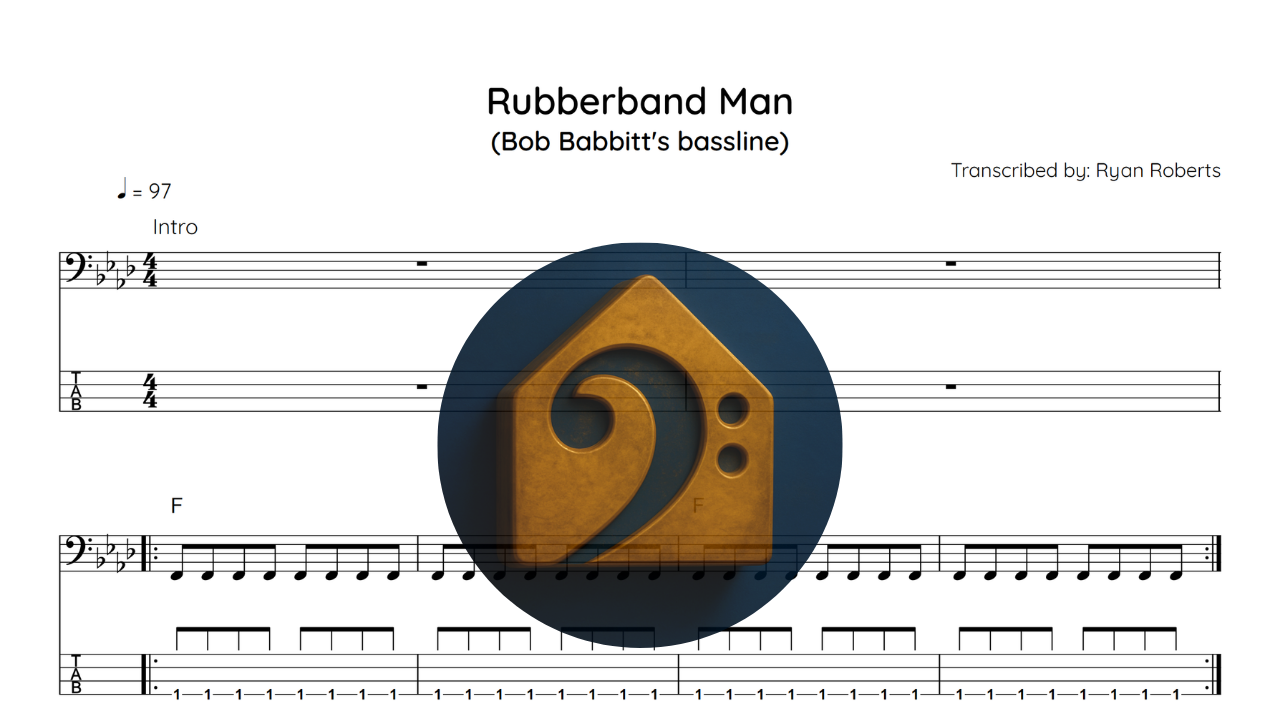
Bob Babbitt’s bassline on “The Rubberband Man” is a masterclass in groove personality — elastic, bouncy, and full of rhythmic character while still completely locked in. His tight articulation, lifted pocket, and clever motifs show how to add identity to a funk-soul classic without ever stepping outside the role of the groove.
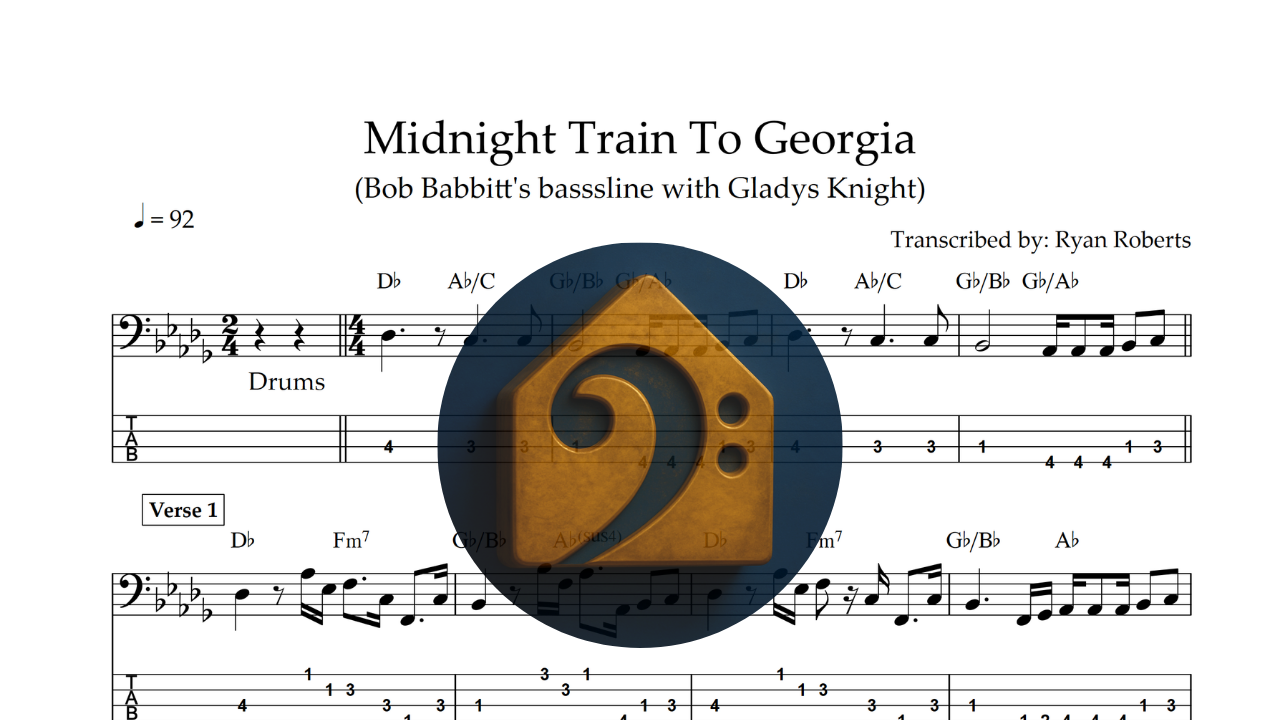
Bob Babbitt’s bassline on “Midnight Train to Georgia” is a masterclass in emotional groove playing — warm, grounded, and perfectly in step with the song’s story. His centered pocket, tasteful voice-leading, and subtle articulation create the foundation that allows the arrangement and vocals to rise and fall with effortless clarity.
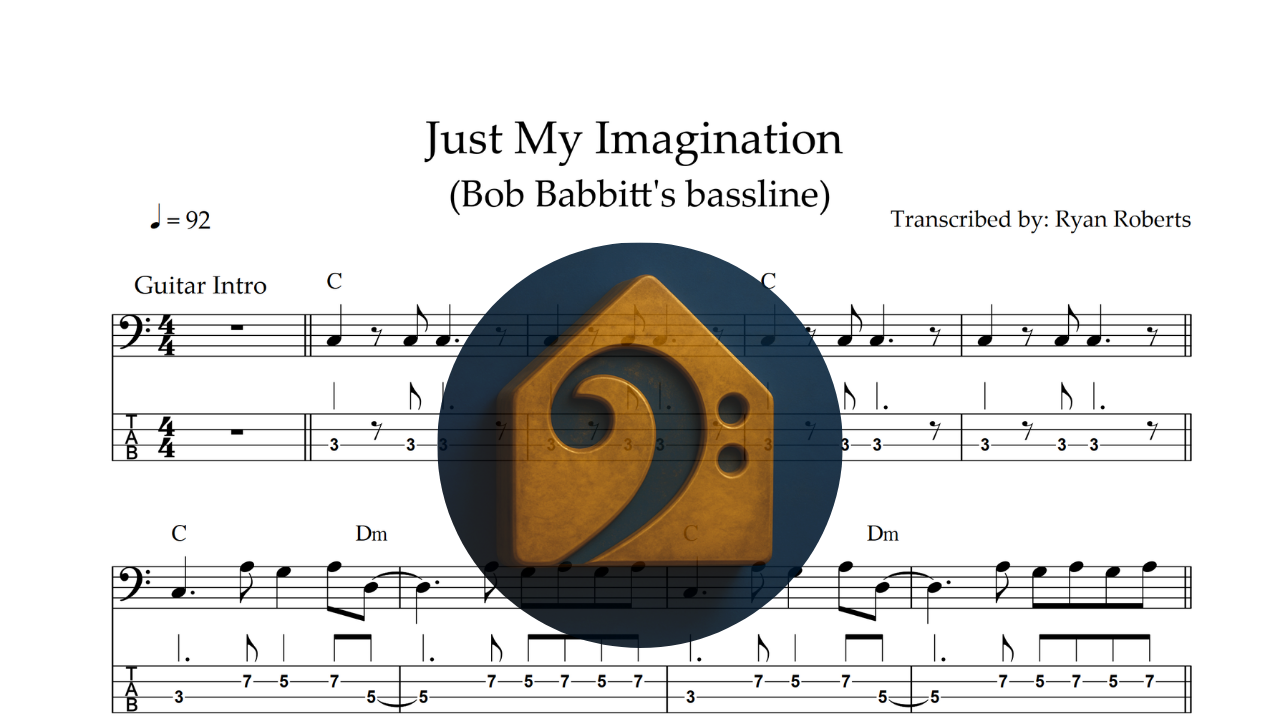
Bob Babbitt’s bassline on “Just My Imagination” is a masterclass in melodic restraint—warm, lyrical, and deeply supportive of the song’s emotional atmosphere. His even pocket, gentle articulation, and elegant voice-leading show how subtlety and intention can carry an entire arrangement without ever drawing attention to the bass.
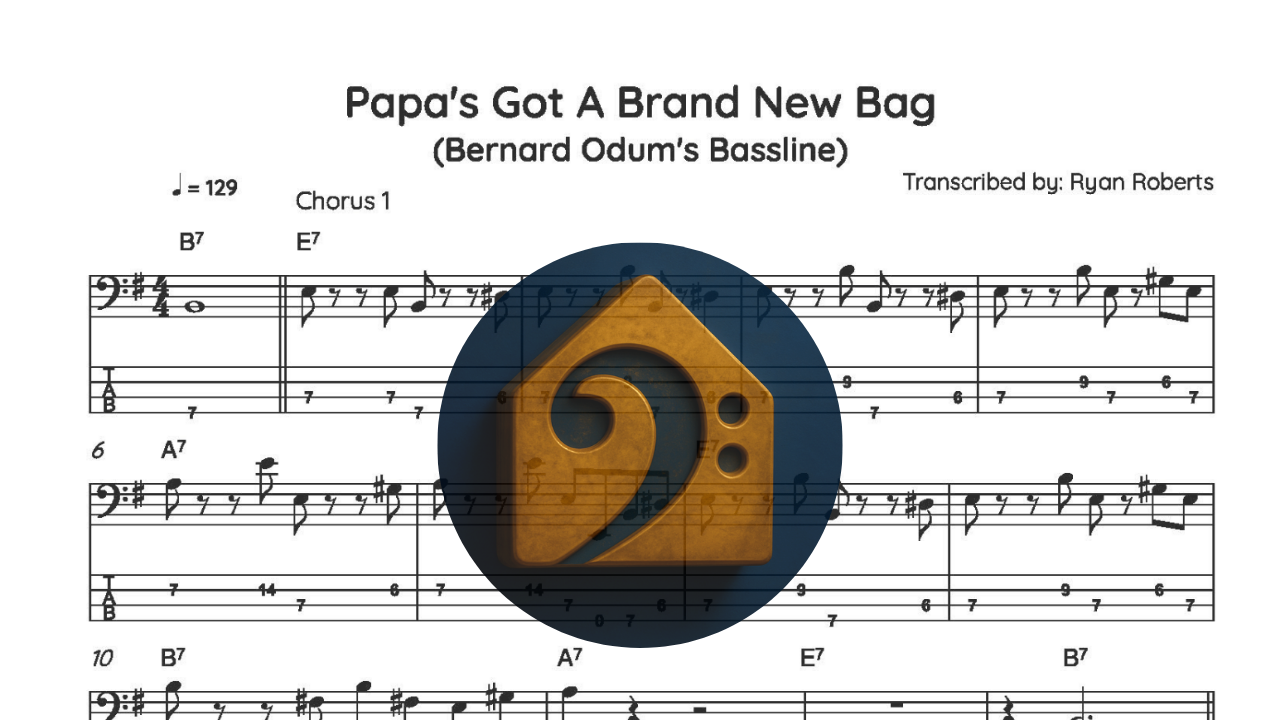
Bernard Odum’s bassline on “Papa’s Got a Brand New Bag” captures the birth of the funk pocket — short, punchy notes placed just behind the beat to create the rhythmic feel that would define James Brown’s sound. This transcription highlights how discipline, consistency, and micro-timing can transform a simple groove into a genre-shaping statement.