
Donny Hathaway - “Extension of a Man”
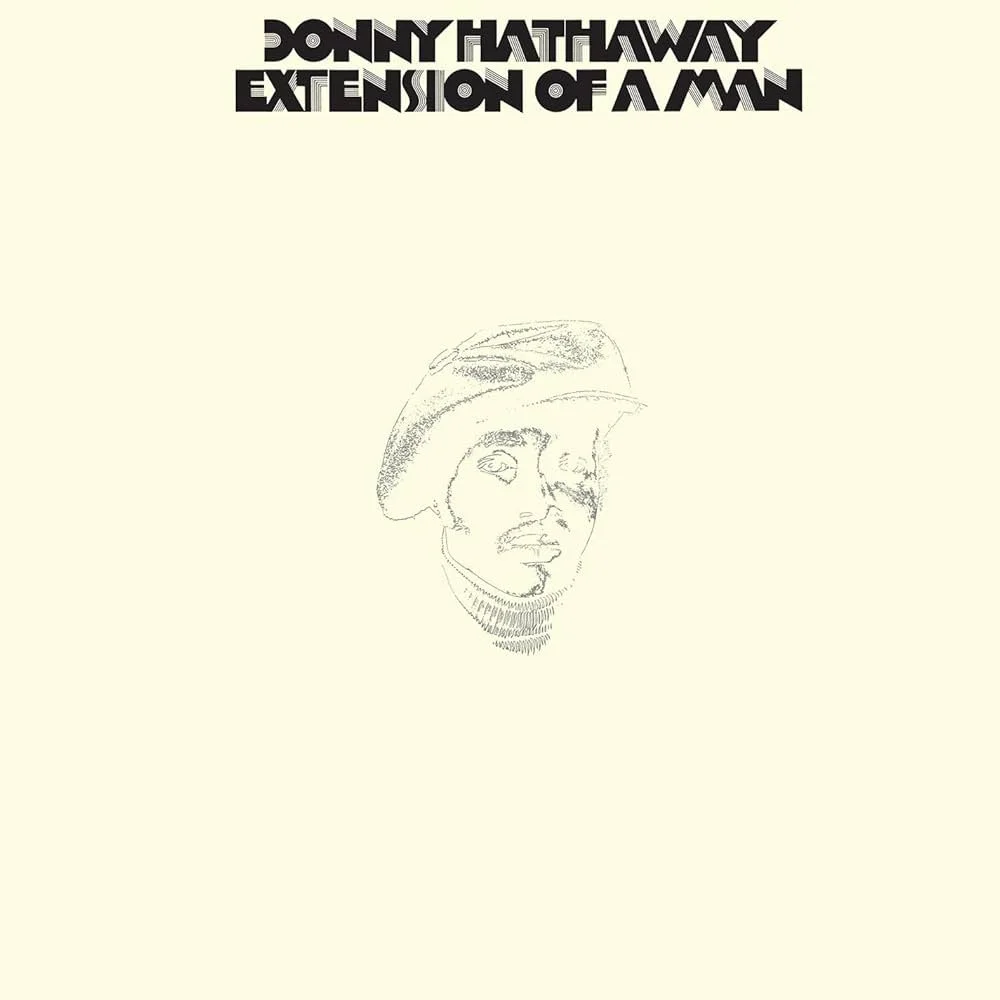
Extension of a Man is Donny Hathaway’s most expansive and intentional album, blending soul, gospel, and orchestral writing into a cohesive, long-form statement. Hathaway functions not only as vocalist, but as composer, arranger, and conductor, shaping the record’s pacing and emotional arc with precision.
For bass players, this album is a masterclass in supportive playing within large ensembles. The bass remains grounded and restrained, reinforcing harmony, feel, and momentum without drawing focus away from the vocal or orchestration. Tone, placement, and patience are the defining characteristics here, showing how the bass can anchor complex arrangements while serving the broader musical narrative.
1. “I Love The Lord; He Heard My Cry”
“I Love the Lord, He Heard My Cry” opens Extension of a Man as a long-form suite rather than a song. Hathaway sets the tone immediately: expansive, reverent, and deeply intentional. Choir, orchestra, and rhythm section move together as one, with the bass grounding the entire arrangement from underneath.
Nothing rushes. Nothing competes. The bass stays patient and centered, anchoring the harmony and pulse while the vocals and orchestration carry the emotional weight.
What to Listen For
The slow, deliberate pacing — the music unfolds on its own timeline.
The bass staying low and supportive — present, but never drawing focus.
How the bass reinforces harmony without outlining it aggressively.
The relationship between bass and drums — unified, calm, and steady.
The way dynamics build gradually across Parts I & II.
Space between phrases — silence is part of the arrangement.
Why This Matters to Your Playing
Support is a musical role — not every track needs the bass out front.
Pacing creates gravity — patience can be more powerful than motion.
Large ensembles demand restraint — your job is to stabilize, not decorate.
Tone carries emotion — the sound of the note matters as much as placement.
Holding the foundation allows others to expand — that’s leadership from below.
This applies immediately — simplify, slow down, and commit to time and tone.
2. “Someday We’ll All Be Free”
“Someday We’ll All Be Free” shifts the album inward. After the expansive opening suite, Hathaway brings the focus to intimacy, hope, and clarity. The arrangement is restrained and deliberate, allowing the lyric to lead while the rhythm section provides quiet strength beneath it.
The bass never asserts itself—it steadies the ground. Each note feels placed with care, reinforcing the harmony and emotional arc without interrupting the song’s message.
What to Listen For
The calm, unhurried tempo — nothing pushes forward unnecessarily.
The bass sitting deep in the mix — supportive, warm, and stable.
How the bass outlines harmony without drawing attention to itself.
Subtle dynamic control — volume and intensity stay measured.
The relationship between bass and vocal phrasing — breathing together.
Space between notes — clarity over density.
Why This Matters to Your Playing
Emotional clarity comes from restraint — less can communicate more.
Supporting a message requires discipline — your role is to stabilize.
Tone consistency builds trust — listeners feel grounded when the bass is centered.
Dynamics are part of musicianship — not every moment needs emphasis.
Serving the lyric sharpens your instincts — even on instrumental gigs.
This applies immediately — simplify your lines and commit to sound and feel.
3. “Flying Easy”
“Flying Easy” brings a lift in spirit and motion after the reflective opening tracks. The feel is relaxed and buoyant, with a sense of forward momentum that never feels forced. Hathaway lets the groove do the work, trusting the rhythm section to carry the optimism of the song.
The bass plays a crucial role here—not by adding complexity, but by committing fully to time and feel. The line stays grounded and consistent, giving the track its lightness and ease.
What to Listen For
The laid-back groove — steady, buoyant, and unhurried.
The bass locking into a consistent pocket — no overplaying.
How repetition strengthens the feel rather than limiting it.
The bass supporting motion without pushing the tempo.
Clear separation between rhythm section and orchestration.
A sense of lift created through feel, not dynamics.
Why This Matters to Your Playing
Groove comes from commitment — consistency creates confidence.
Repetition is powerful — stability lets the music breathe.
Time feel defines energy — not note choice alone.
Lightness doesn’t mean weakness — restraint can still propel a track.
Supporting motion is a skill — knowing when to stay put matters.
This applies immediately — focus on pocket, then let the song fly.
4. “Valdez In The Country”
“Valdez in the Country” slows the album back down and opens up a wide, reflective landscape. The song feels pastoral and unguarded, with Hathaway allowing space, texture, and lyricism to guide the direction rather than groove or momentum.
The bass stays understated and patient, anchoring the harmony while leaving room for acoustic colors and orchestration to breathe. Nothing is rushed. Every note feels placed for balance rather than emphasis.
What to Listen For
The relaxed, open tempo — time stretches comfortably.
The bass reinforcing harmony without outlining it heavily.
Long note lengths — sustain becomes part of the texture.
How the bass supports the song’s calm emotional tone.
Space between phrases — silence is intentional.
The gentle interaction between bass and acoustic elements.
Why This Matters to Your Playing
Space is an active choice — silence shapes the music.
Long tones can carry weight — you don’t need movement to contribute.
Supporting harmony is foundational — clarity matters more than detail.
Emotional alignment matters — your feel should match the song’s mood.
Restraint creates trust — listeners relax when the bass is stable.
This applies immediately — slow down, listen deeper, and let notes ring.
5. “I Love You More Than You’ll Ever Know”
“I Love You More Than You’ll Ever Know” is one of the album’s most emotionally exposed moments. Hathaway lets the song build slowly, trusting phrasing, dynamics, and space to carry the intensity rather than force it upfront.
The bass remains patient and grounded, responding to the emotional rise of the performance without ever competing with it. As the arrangement grows, the bass deepens the foundation, allowing the emotion to expand naturally.
What to Listen For
The gradual build — intensity grows without rushing the tempo.
The bass staying centered as dynamics increase.
How the bass supports emotional shifts rather than driving them.
Note placement becoming more meaningful as space narrows.
The relationship between bass and vocal phrasing — reacting, not leading.
Controlled restraint — even at peak intensity.
Why This Matters to Your Playing
Emotion doesn’t require motion — patience can heighten impact.
Dynamics are a responsibility — the bass helps shape the arc.
Staying grounded allows others to open up.
Responding to energy matters more than adding notes.
Control builds trust — intensity works when the foundation is solid.
This applies immediately — listen for the arc and support it, don’t rush it.
6. “Come Little Children”
“Come Little Children” is one of the album’s most intimate moments. The mood is gentle and almost lullaby-like, with Hathaway allowing vulnerability and simplicity to lead. The arrangement stays sparse, giving the song a sense of closeness and care.
The bass plays quietly but decisively, reinforcing the harmony and feel without drawing attention to itself. Every note feels chosen for balance rather than presence.
What to Listen For
The soft, unhurried tempo — nothing presses forward.
The bass staying low and warm in the mix.
Short, supportive movements that reinforce harmony.
How the bass avoids filling space unnecessarily.
The calm interaction between bass and vocal phrasing.
Silence between notes — restraint shapes the mood.
Why This Matters to Your Playing
Intimacy requires trust — less sound can say more.
Supporting quietly is still leadership.
Tone carries emotion — even at low volume.
Space is musical — don’t rush to fill it.
Sensitivity strengthens musicianship.
This applies immediately — soften your touch and listen deeper.
7. “Love, Love, Love”
“Love, Love, Love” brings warmth and forward motion back into the album. The feel is buoyant and optimistic, driven by groove rather than density. The arrangement stays open, letting rhythm and repetition create lift.
The bass commits fully to time and feel, locking into a steady pocket that gives the track its sense of ease. Nothing overreaches—the groove speaks for itself.
What to Listen For
The relaxed but confident groove — steady and centered.
The bass locking into repetition without variation.
How consistency creates momentum.
Clear separation between bass and upper voices.
The bass supporting joy without exaggeration.
A sense of motion created through feel, not dynamics.
Why This Matters to Your Playing
Groove comes from commitment, not complexity.
Repetition builds trust with the listener.
Time feel defines energy more than note choice.
Supporting joy requires control, not excess.
Staying centered lets the music move freely.
This applies immediately — lock in and stay there.
8.“The Slums”
“The Slums” brings the album back to direct social commentary. The feel is steady and deliberate, with repetition and restraint doing the heavy lifting. The message is carried through consistency rather than drama.
The bass stays firm and unwavering, acting as the anchor beneath the arrangement. There’s no embellishment—just commitment to time, tone, and placement.
What to Listen For
The steady, unbroken groove — no rush, no pull.
The bass maintaining consistency across the entire track.
How repetition reinforces the song’s weight.
The bass avoiding fills or decoration.
The tight relationship between bass and drums.
A grounded feel that lets the lyric remain front and center.
Why This Matters to Your Playing
Consistency creates authority.
Groove doesn’t need variation to stay strong.
Restraint keeps the message clear.
Time feel carries meaning.
Discipline builds trust within the ensemble.
This applies immediately — commit fully to the pocket and stay there.
9. “Magdalena”
“Magdalena” carries a gentle, flowing feel, offering warmth and ease late in the album. The groove is relaxed and unforced, with the arrangement allowing melody and feel to unfold naturally rather than pushing forward.
The bass supports the motion quietly, reinforcing the groove with consistency and patience. Nothing calls attention to itself—the line exists to keep the song moving smoothly from underneath.
What to Listen For
The laid-back, rolling feel — steady and comfortable.
The bass maintaining forward motion without urgency.
How consistency keeps the groove alive.
Subtle articulation rather than variation.
The bass staying centered as the arrangement opens up.
A sense of ease created through restraint
Why This Matters to Your Playing
Motion doesn’t require intensity.
Consistency creates flow.
Feel matters more than complexity.
Supporting momentum is a core bass role.
Patience keeps the music open.
This applies immediately — focus on time and let the groove carry.
10. “I Know It’s You”
“I Know It’s You” is one of the album’s most inward-looking moments. The mood is quiet and personal, with Hathaway allowing space and vulnerability to shape the performance. The arrangement stays minimal, letting phrasing and silence do much of the work.
The bass remains subtle and supportive, reinforcing harmony and feel without asserting presence. Each note feels carefully placed, serving the emotional weight of the song rather than the mechanics of the groove.
What to Listen For
The sparse, unhurried pacing — nothing is filled unnecessarily.
The bass sitting gently beneath the vocal.
Long spaces between bass notes — restraint defines the feel.
How the bass reinforces harmony without outlining movement.
The alignment between bass placement and vocal phrasing.
A sense of calm created through simplicity.
Why This Matters to Your Playing
Restraint sharpens intention.
Silence is part of your musical voice.
Supporting vulnerability requires sensitivity.
Tone carries emotion at low volume.
Subtle placement can be more powerful than motion.
This applies immediately — simplify, listen, and let space speak.
11. “Lord Help Me”
“Lord Help Me” closes Extension of a Man with humility and resolve. After an album built on intention, restraint, and emotional clarity, Hathaway ends by turning inward, letting the message land without excess or ornamentation.
The bass remains steady and supportive, reinforcing the foundation as the song settles. There’s no push for momentum here—just grounding, patience, and quiet strength that allows the record to conclude with sincerity.
What to Listen For
The grounded, deliberate tempo — calm and unwavering.
The bass holding steady through the final statement.
How simplicity reinforces the emotional weight.
The bass prioritizing support over motion.
Alignment between bass placement and vocal phrasing.
A sense of closure created through restraint and patience. vul
Why This Matters to Your Playing
Endings don’t require escalation — clarity is enough.
Stability can be the strongest choice.
Supporting the message matters more than adding detail.
Patience creates resolution.
Restraint gives weight to the final moment.
This applies immediately — know when to hold the ground and let the music finish.