Comparison Is Killing Your Progress

Comparison feels useful. It looks like information.
It might feel like awareness—or even motivation or inspiration.

But most of the time, it isn’t helping you measure progress.
It’s pulling your attention away from the work.

Growth rarely stalls because you’re “behind.”
It stalls because comparison pulls your attention away from the work that actually moves you forward.


How Comparison Quietly Changes the Question

When comparison enters the picture, the internal question shifts—often without you noticing.

Instead of asking:
”What am I working on?”
”What’s actually improving?”

The mind starts asking:
”Where do I stand?”
”How do I rank?”

That shift matters.

Psychologist Leon Festinger’s social comparison theory explains that when objective measures are unclear, humans naturally evaluate themselves relative to others. For musicians and artists—where progress is nonlinear, subjective, and slow—this makes comparison especially tempting.

Research consistently shows that upward social comparison—measuring yourself against people you perceive as ahead—is associated with increased anxiety, self-doubt, and performance pressure. Even when comparison feels motivating, it often produces urgency rather than clarity.

And urgency is a poor teacher.

As pianist Bill Evans once said:

“It bugs me when people try to analyze jazz as an intellectual theorem. It’s not. It’s feeling.”

Urgency pushes attention toward outcomes.
Learning requires staying with process.


What Comparison Does to Attention and Learning

Rather than claiming that comparison directly shuts down creativity, research supports something more subtle—and more important.

Self-evaluation and performance monitoring increase cognitive load. When mental energy is spent tracking status—Am I good enough? Am I behind?—there is less attention available for focused practice, memory consolidation, and creative exploration.

In other words, comparison doesn’t break learning.
It competes with it.

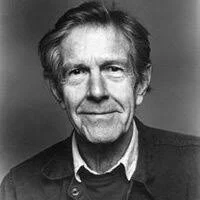
Composer John Cage captured this intuitively:

“The purpose of art is to sober and quiet the mind, thus making it susceptible to influences.”

Comparison does the opposite.
It agitates the mind and fragments attention.


Why Comparison Distorts Reality

Most comparisons are incomplete by design.

You’re seeing:
Finished products
Edited performances
Polished moments

You’re not seeing:
The repetition
The false starts
The abandoned ideas

Cognitive psychology shows that humans routinely misjudge progress when information is incomplete. We rely on what’s most visible, not what’s most representative. This leads us to overestimate others’ competence while underestimating our own slow, incremental gains.

Writer Annie Dillard put it plainly:

“How we spend our days is, of course, how we spend our lives.”

Comparison skips the days and jumps straight to the result.

Comparing your daily work to someone else’s visible outcome creates a distorted story—and unnecessary pressure.


Artists Have Been Warning Us About This for Centuries

Long before modern psychology, artists and philosophers recognized that comparison undermines craft.

Marcus Aurelius wrote:


“Do not waste what remains of your life in speculating about others… Be intent only on what you are doing.

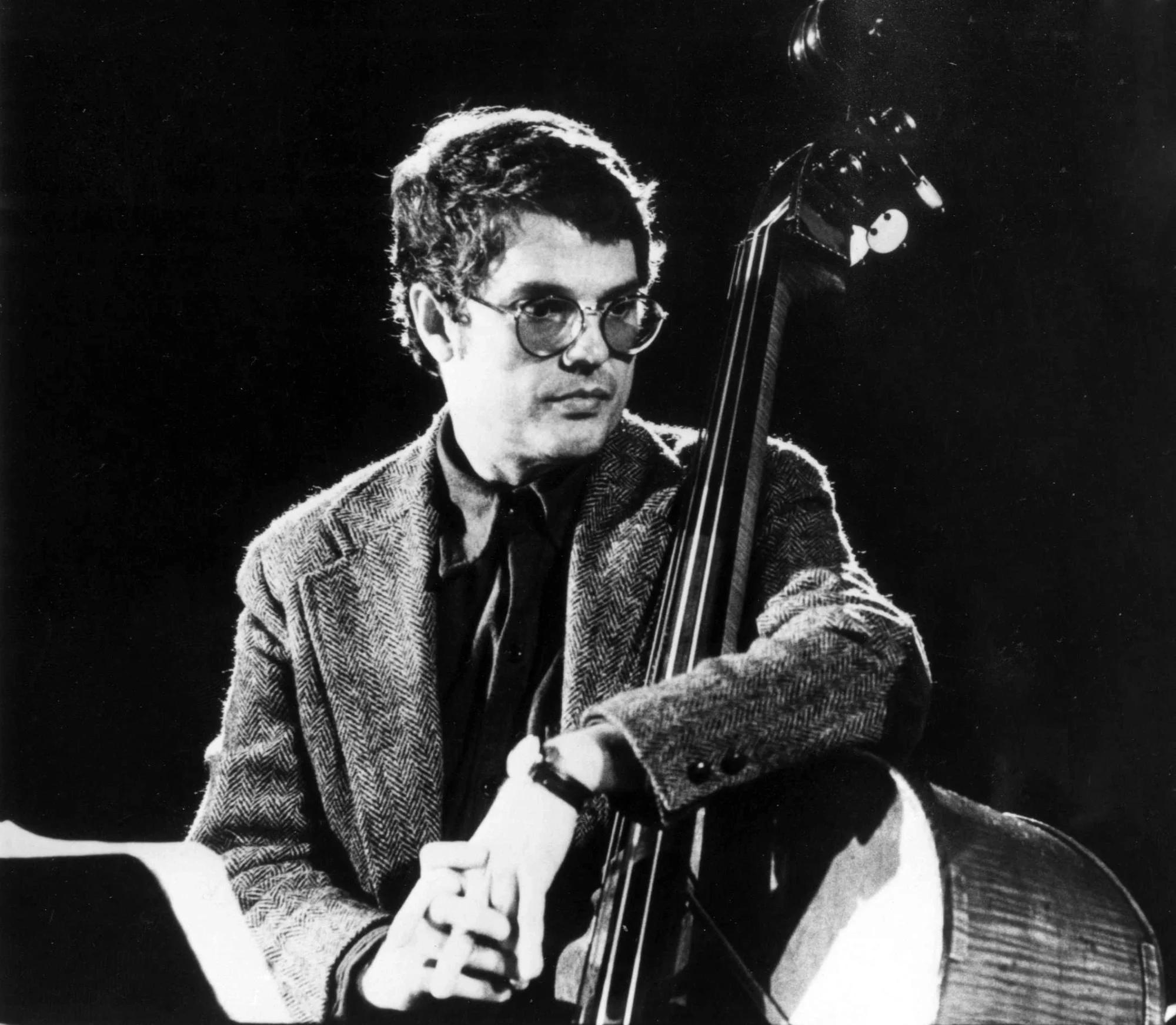
Jazz bassist Charlie Haden echoed the same truth from the bandstand:

“The music is not about showing how good you are. It’s about how honest you are.”

Comparison pulls you toward performance.
Honesty requires presence.

Even Pablo Picasso understood that originality depends on forward attention:

“Others have seen what is and asked why. I have seen what could be and asked why not.”

That question—why not—doesn’t survive sideways attention.


Where Real Progress Actually Comes From

Musicians don’t grow by monitoring their position.
They grow by staying engaged with the work directly in front of them.

Research on expertise consistently shows that long-term improvement depends on process orientation—sustained focus on actions rather than outcomes. Performers who emphasize process show greater persistence, deeper learning, and lower burnout.

Or, as Miles Davis famously said:

“Don’t play what’s there. Play what’s not there.”

You can’t hear what’s not there if your attention is fixed on someone else.

Comparison asks where you stand.
Attention asks what’s possible next.


Previous
Previous

7 Habits That Actually Build Success

Next
Next

The First Five Minutes Decide Everything