
Gary Karr — Dragonetti: Concerto in A Major
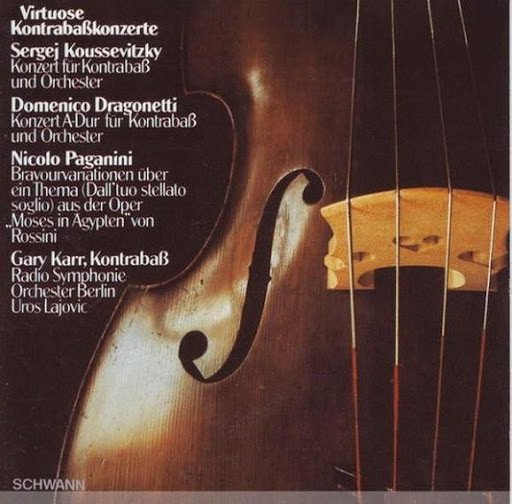
Gary Karr’s recording of Domenico Dragonetti’s Concerto in A Major represents a rare level of artistry where the mechanics of the instrument vanish entirely. What remains is sound, shape, and intention — music delivered with such command that the double bass no longer feels like an object to be managed, but a voice simply being spoken through.
Dragonetti (1763–1846), a contemporary of Beethoven, wrote this concerto at a time when the bass was still fighting for recognition beyond accompaniment. Karr’s performance completes that argument. Through masterful control of dynamics, bowing, and lyrical phrasing, he allows the music to unfold naturally, without strain or self-consciousness. The result is not a display of what the bass can do, but a demonstration of what music can become when an artist is fully in command.
Listen to Full Album:
I. Allegro moderato
The first movement establishes precision and proportion. The articulation is clean. The phrasing is symmetrical. Even in upper register passages, the sound remains stable and controlled.
Karr never pushes the instrument. He lets the bow speak.
What to Listen For
Clean, even détaché articulation
Consistent bow contact across strings
Smooth, economical shifting
Balanced phrasing — clear beginnings and endings
Controlled dynamics without exaggeration
Tone that stays centered in every register
Why This Matters to Your Playing
Clear articulation builds authority
Efficient shifting keeps phrases connected
Consistent bow placement improves tone stability
Balanced phrasing improves musical storytelling
Dynamic restraint creates sophistication
Control is more powerful than volume
II – Andante
The second movement reveals the expressive side of the concerto. The bass becomes vocal here — sustained, warm, and deliberate. Nothing is rushed. Every phrase feels intentional.
The power of this movement lies in patience.
What to Listen For
Long tones that remain steady from start to finish
Controlled, even vibrato
Seamless connection between phrases
Stable pitch in the upper register
Space between ideas — silence used intentionally
Warm, consistent bow pressure
Why This Matters to Your Playing
Slow playing exposes technique
Vibrato must be controlled, not automatic
Tone consistency defines maturity
Long notes test your internal time
Expressiveness comes from restraint
II – Allegro giusto
The final movement brings lift and clarity. It’s energetic and technically demanding, but the articulation never becomes forced. Even at tempo, Karr maintains lightness and control.
The movement feels agile, not aggressive.
What to Listen For
Light, controlled articulation at faster tempos
Crisp rhythmic precision
Clean spiccato-style passages
Even tone during quick string crossings
Relaxed left-hand movement
Clear, decisive phrase endings
Why This Matters to Your Playing
Speed must come from relaxation, not effort
Light bow strokes prevent tension
Rhythmic clarity builds confidence
Tone consistency should remain at any tempo
Clean phrase endings signal professionalism
Controlled agility transfers to all repertoire
Final Reflection
Dragonetti’s concerto asks the bass to step forward with dignity. Gary Karr answers that request with composure.
This recording is a study in control, tone, and proportion. It reminds us that mastery on the bass isn’t about density or flash.
It’s about balance.
And that balance begins with sound.