
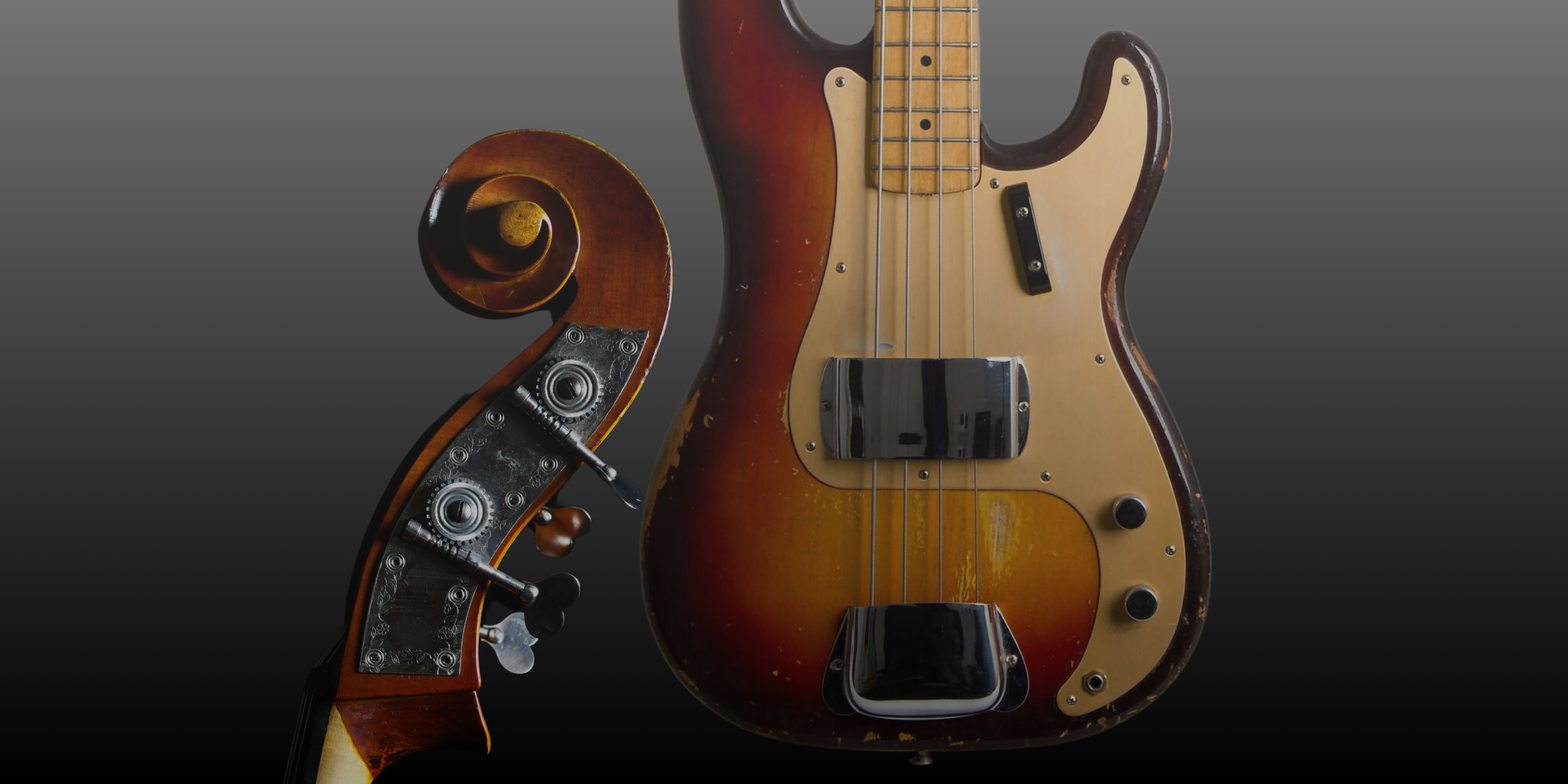
Transcriptions
Learn from the legends through full transcriptions, guided breakdowns, and practice tools that bring their language into your playing.
Search By Category
- Bernard Odum
- Blues
- Bob Babbitt
- Bootsy Collins
- Charlie Haden
- Chuck Rainey
- Dave Holland
- Donald "Duck" Dunn
- Eddie Gomez
- Funk
- James Brown
- James Jamerson
- Jazz
- Jazz Solo
- Jazz Solos
- Jimmie Blanton
- Motown
- Paul Chambers
- Paul McCartney
- Pop/Rock
- Ray Brown
- Ron Carter
- Soul
- Stevie Wonder
- Sting
- The Temptations
- Tommy Cogbill
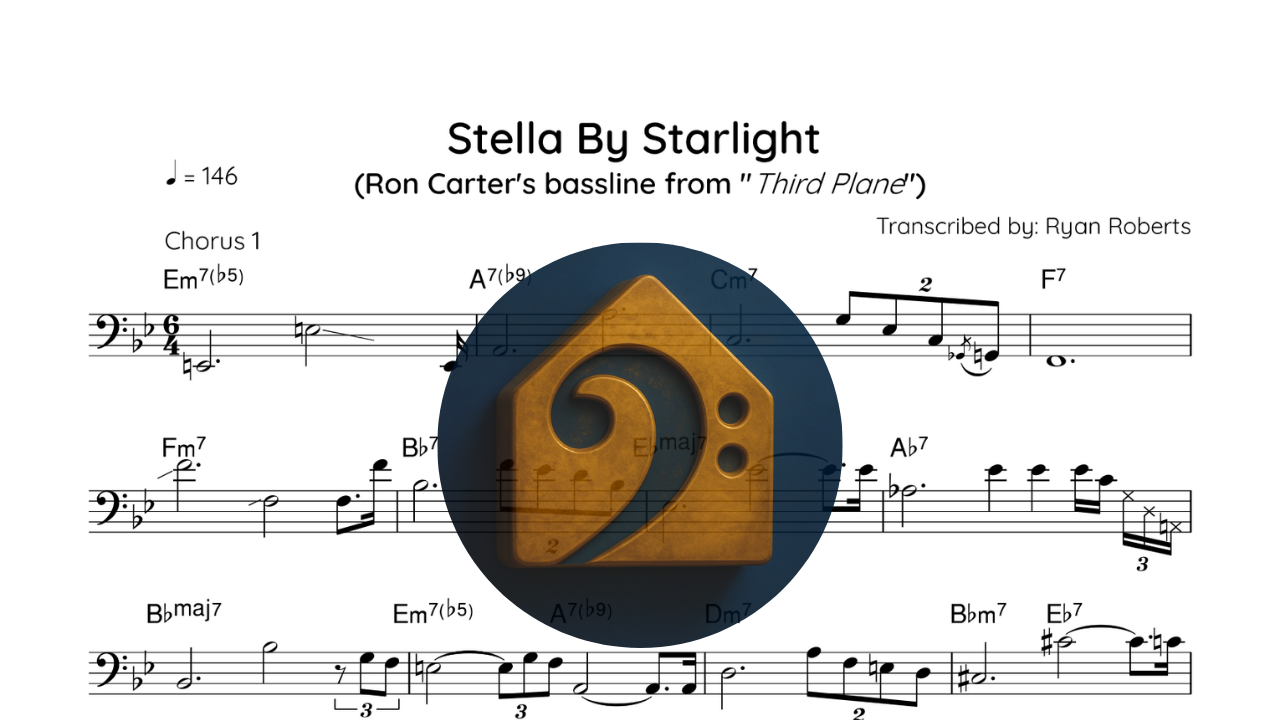
Stella By Starlight
Ron Carter’s solo combines modern harmonic thinking with elegant phrasing. This transcription highlights how space, note choice, and rhythmic placement shape a sophisticated bass voice.
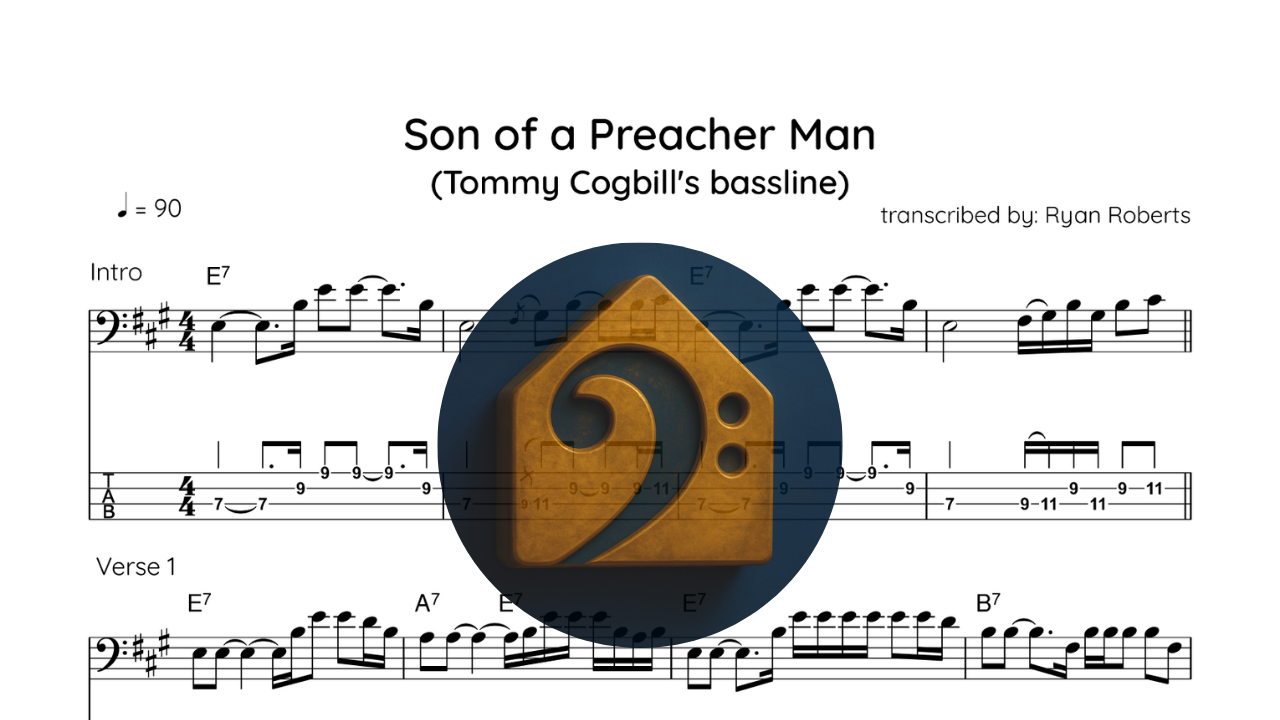
Son of A Preacherman
Dusty Springfield — “Son of a Preacher Man”
A soulful groove built on tasteful movement and pocket. This transcription reveals how subtle rhythmic placement gives the line its unmistakable feel.
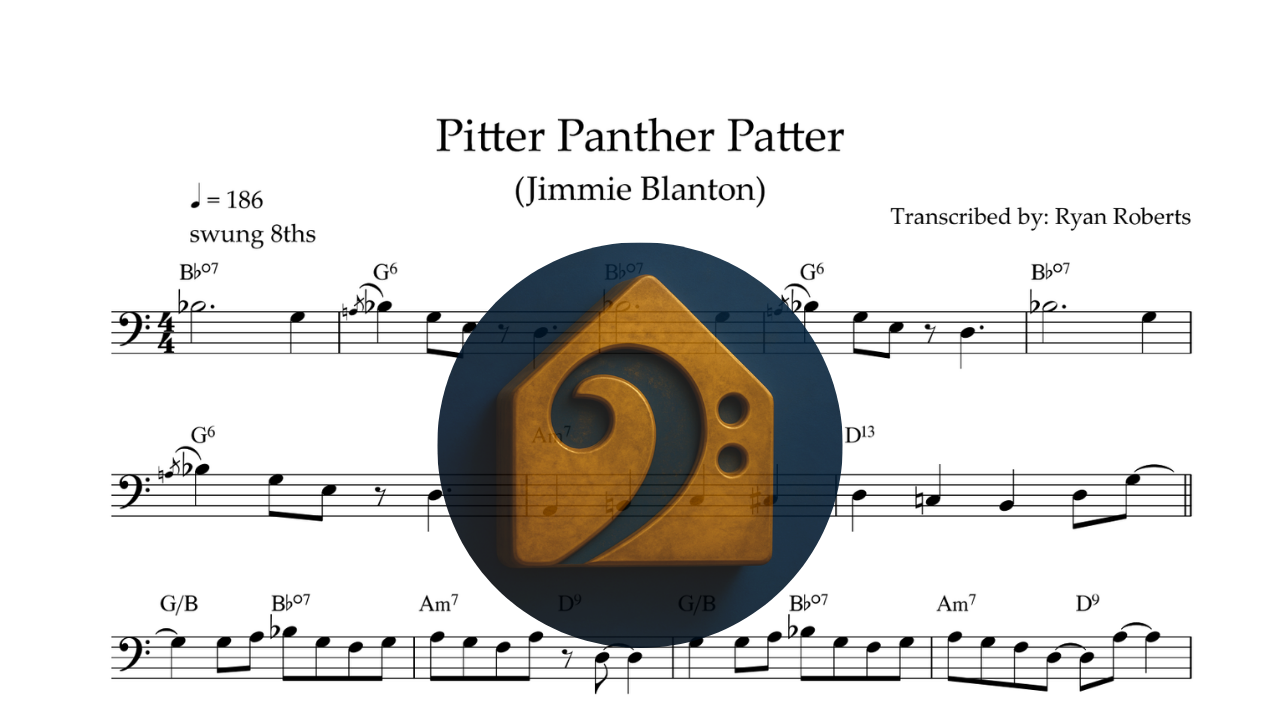
Pitter, Panther, Patter
Jimmie Blanton — “Pitter Panther Patter” (Duke Ellington Orchestra)
One of the earliest moments the bass steps forward as a solo voice. Blanton’s phrasing, articulation, and harmonic movement changed the role of the instrument forever.
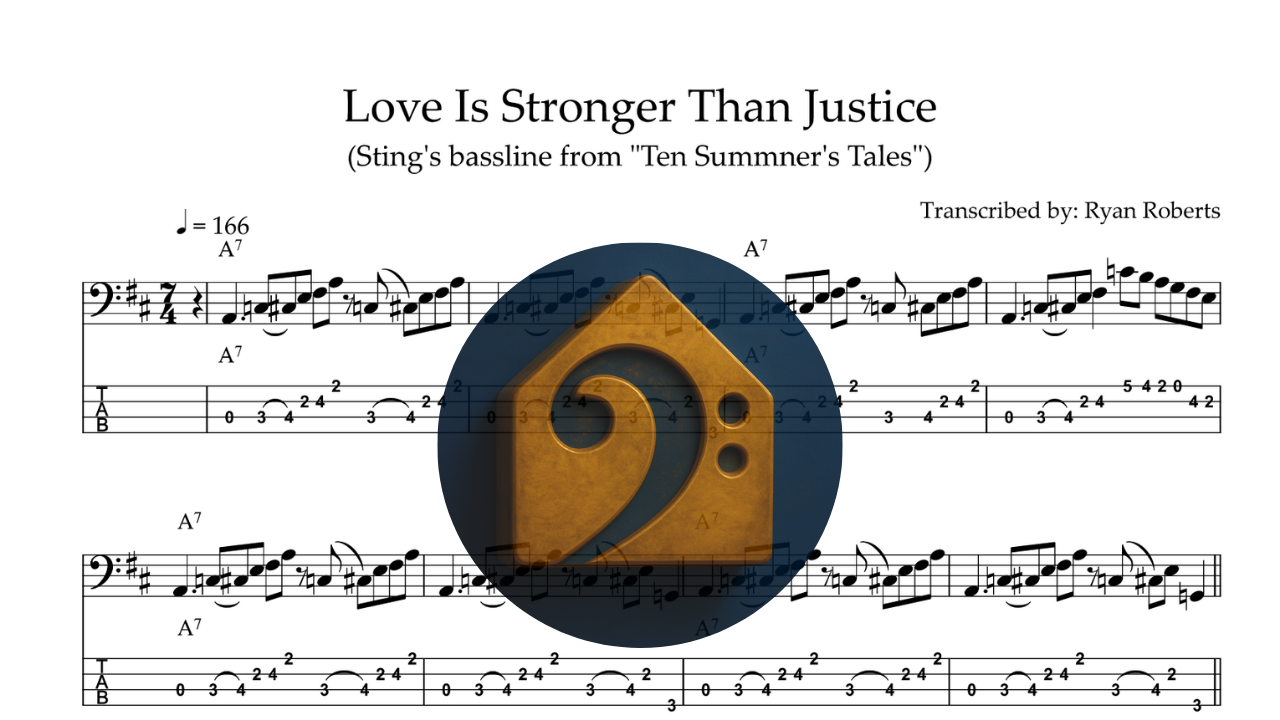
Love Is Stronger Than Justice
Sting — “Love Is Stronger Than Justice”
A tight country-rock groove powered by Sting’s understated bass work. The line supports the rhythmic drive while subtly outlining the harmony.
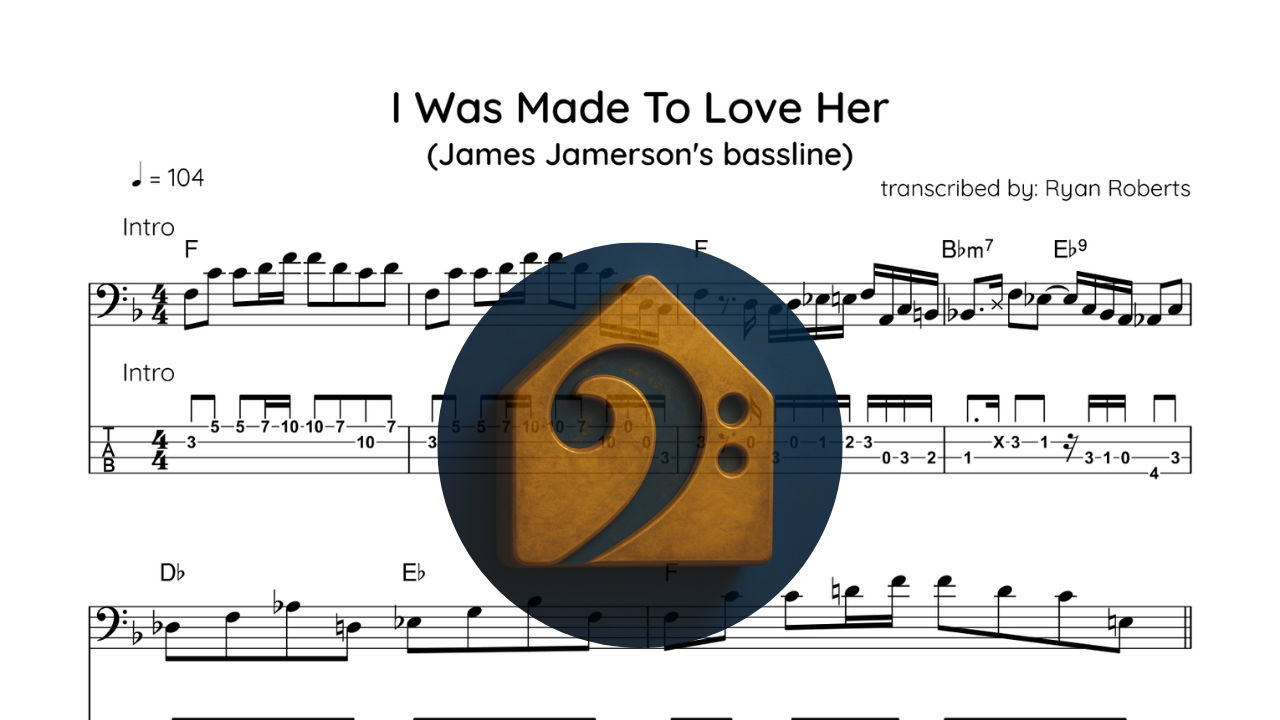
I Was Made To Love Her
James Jamerson — “I Was Made to Love Her” (Stevie Wonder)
Jamerson’s iconic Motown groove blends melodic fills with relentless pocket. Study how his lines weave rhythm and harmony while driving the entire band forward.
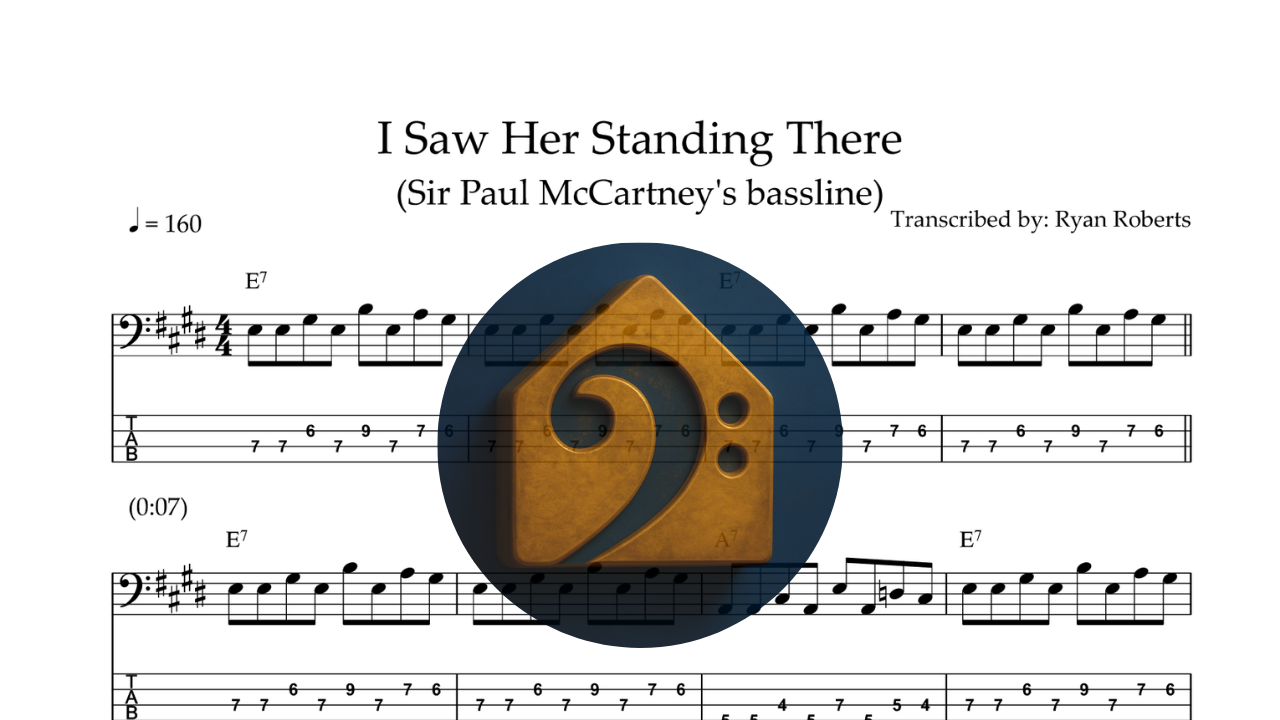
I Saw Her Standing There
Paul McCartney — “I Saw Her Standing There” (The Beatles)
A driving rock bass line that mixes walking bass influence with early Beatles energy. McCartney’s line shows how strong motion and rhythm can define a song’s momentum.
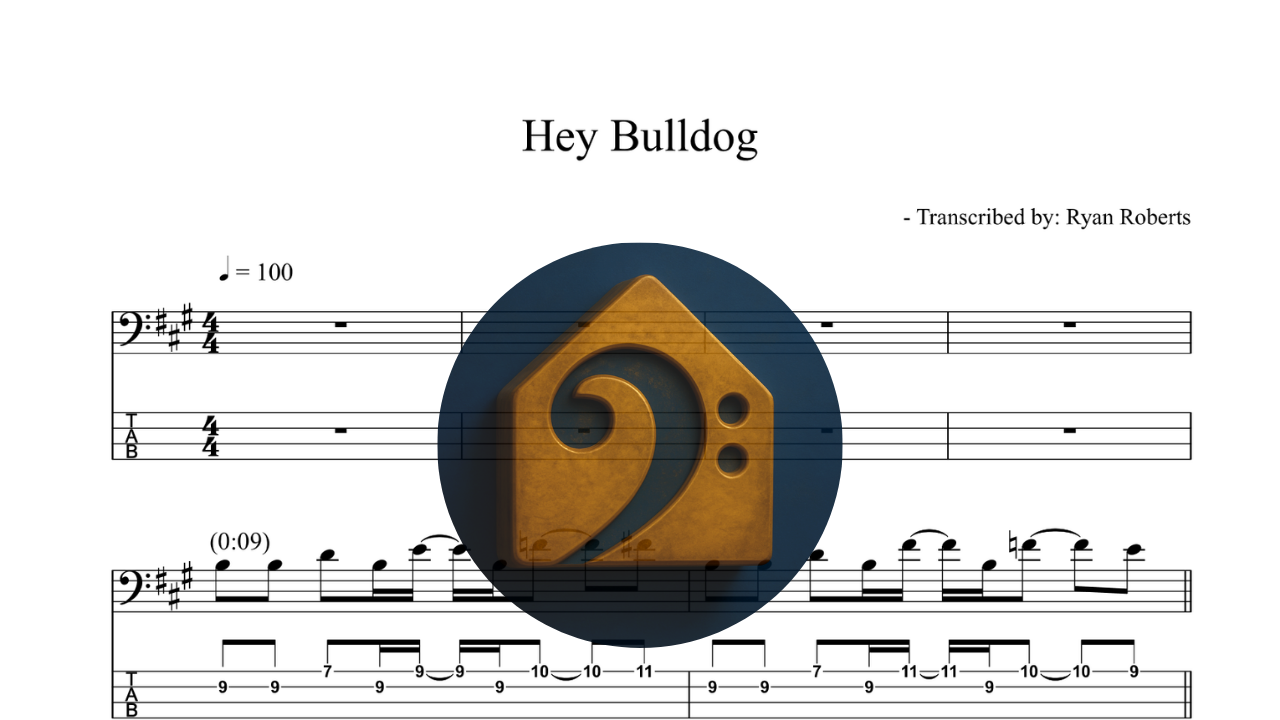
Hey Bulldog
Paul McCartney — “Hey Bulldog” (The Beatles)
A gritty, blues-influenced bass line that anchors the track with swagger. McCartney’s tone, articulation, and rhythmic push make this one of his most distinctive performances.
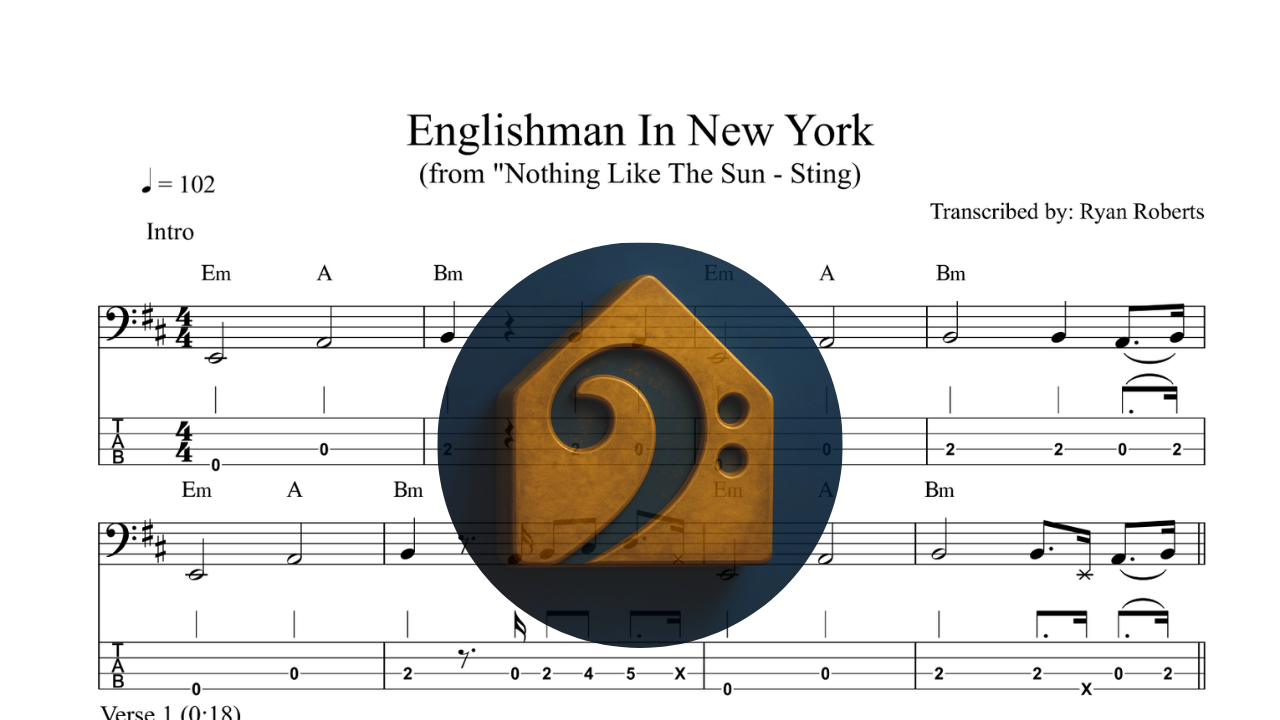
Englishman in New York
Sting — “Englishman in New York”
Sting’s bass line blends pop sensibility with jazz harmony. The groove sits deep while outlining sophisticated chord movement that keeps the track flowing effortlessly.
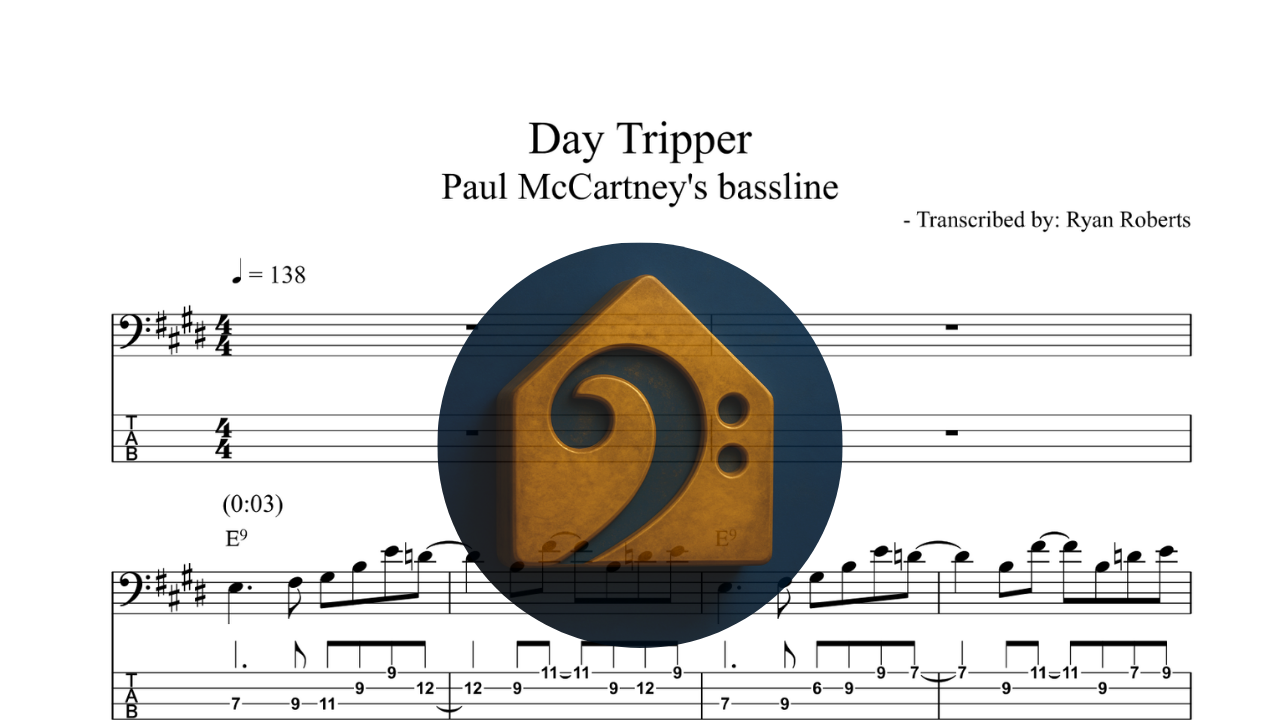
Day Tripper
Paul McCartney — “Day Tripper” (The Beatles)
One of the most recognizable bass lines in rock. McCartney locks tightly with the iconic guitar riff, reinforcing the groove while adding subtle movement that gives the track its drive and attitude.

Can’t Stand Losing You
Sting — “Can’t Stand Losing You” (The Police)
A tight reggae-influenced bass line that anchors the groove while leaving space for the band’s rhythmic interplay. Sting’s tone, timing, and restraint show how simplicity can create powerful momentum.
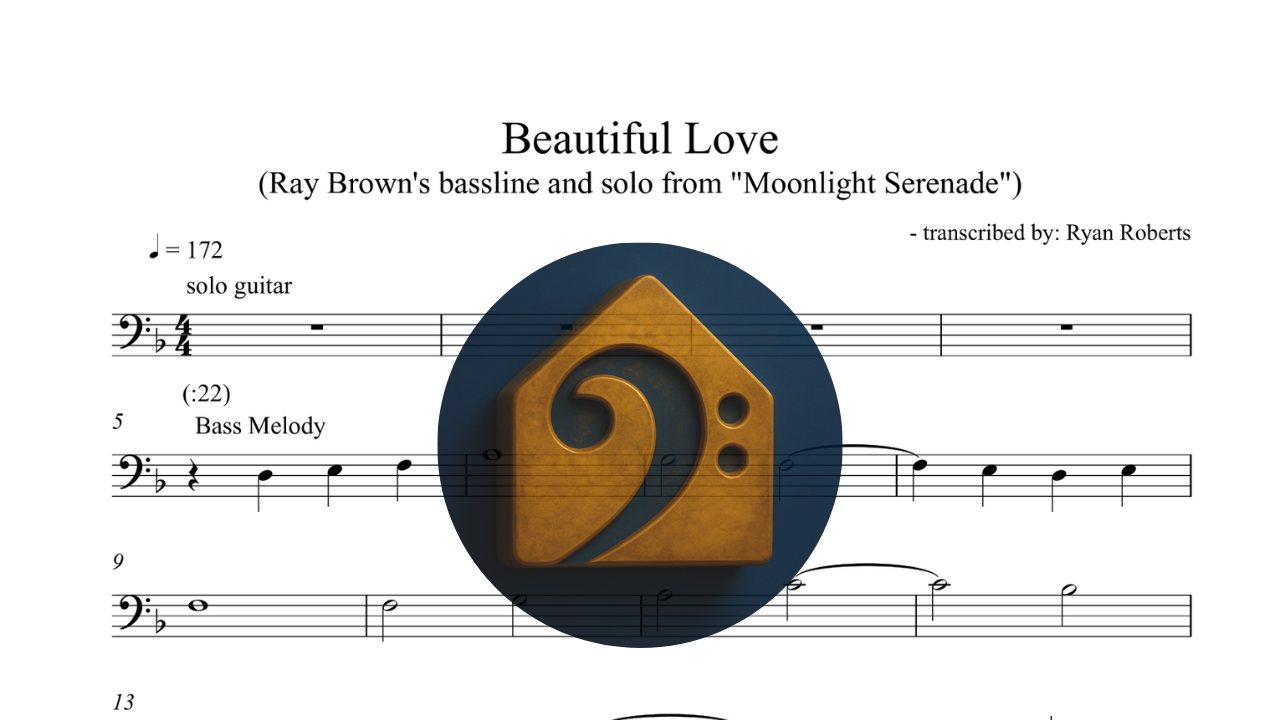
Beautiful Love
Ray Brown — “Beautiful Love” (Moonlight Serenade)
This transcription captures Ray Brown’s complete performance — including his expressive arco introduction, walking bass line, and lyrical solo. A powerful example of tone, phrasing, and swing from one of jazz bass’s greatest voices.
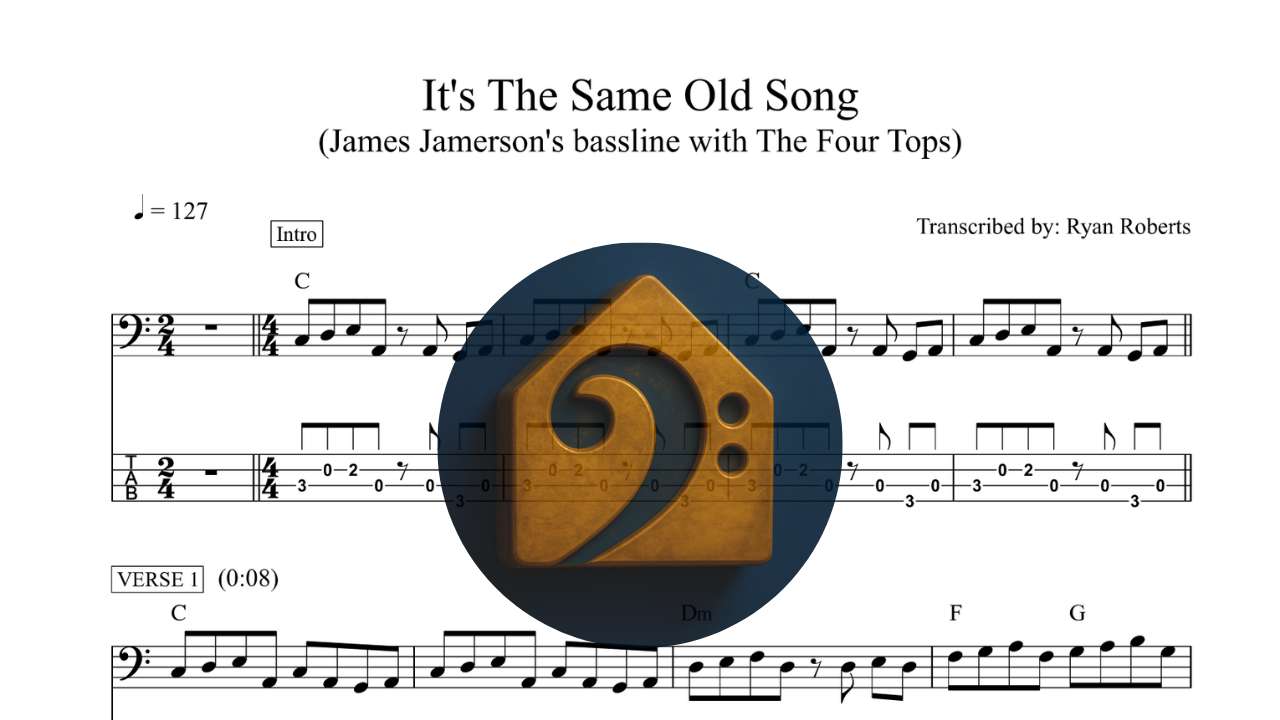
It’s The Same Old Song
James Jamerson’s bassline on “It’s the Same Old Song” is a perfect blend of drive, melody, and rhythmic lift. His playing gives the tune its infectious forward motion while weaving countermelodies that elevate the vocal and push the entire arrangement into classic Motown energy.
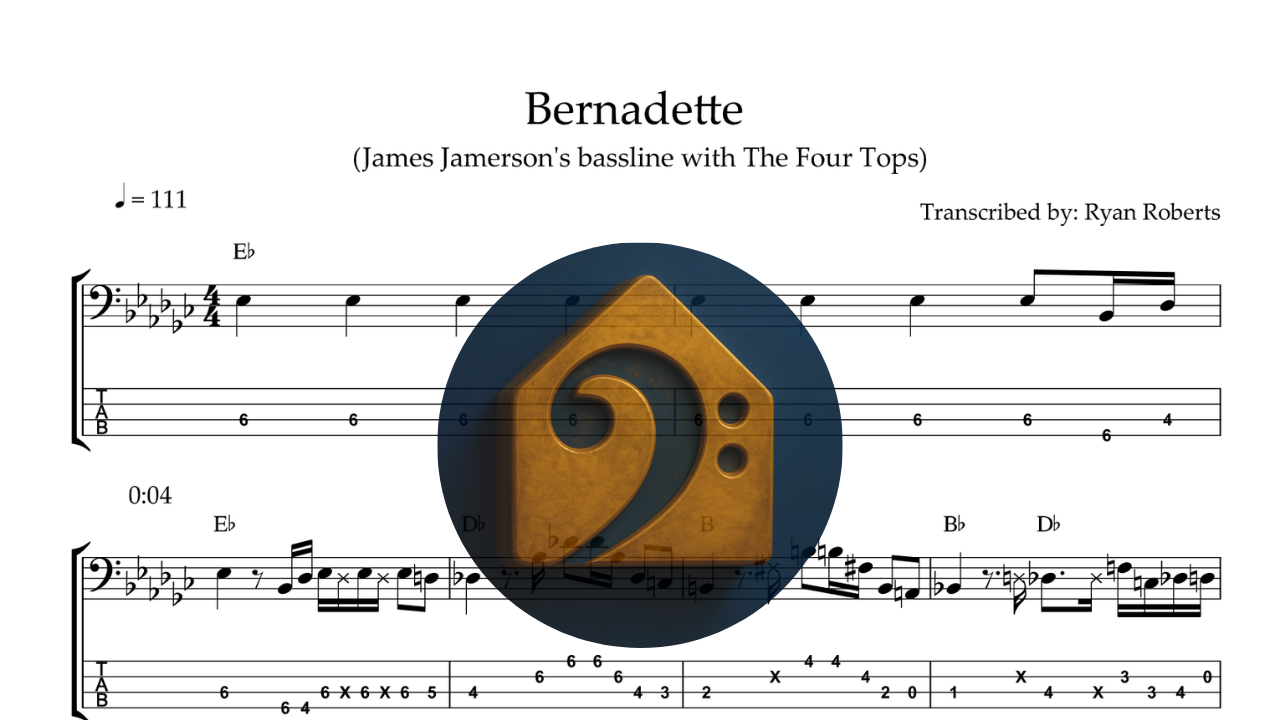
Bernadette
James Jamerson’s bassline on “Bernadette” is one of the most explosive, emotionally charged performances in the entire Motown catalog. His driving pulse, melodic invention, and fearless rhythmic push make the song surge forward with urgency and fire. This is Jamerson at his most commanding — powerful, lyrical, and completely in control of the music’s emotional engine.
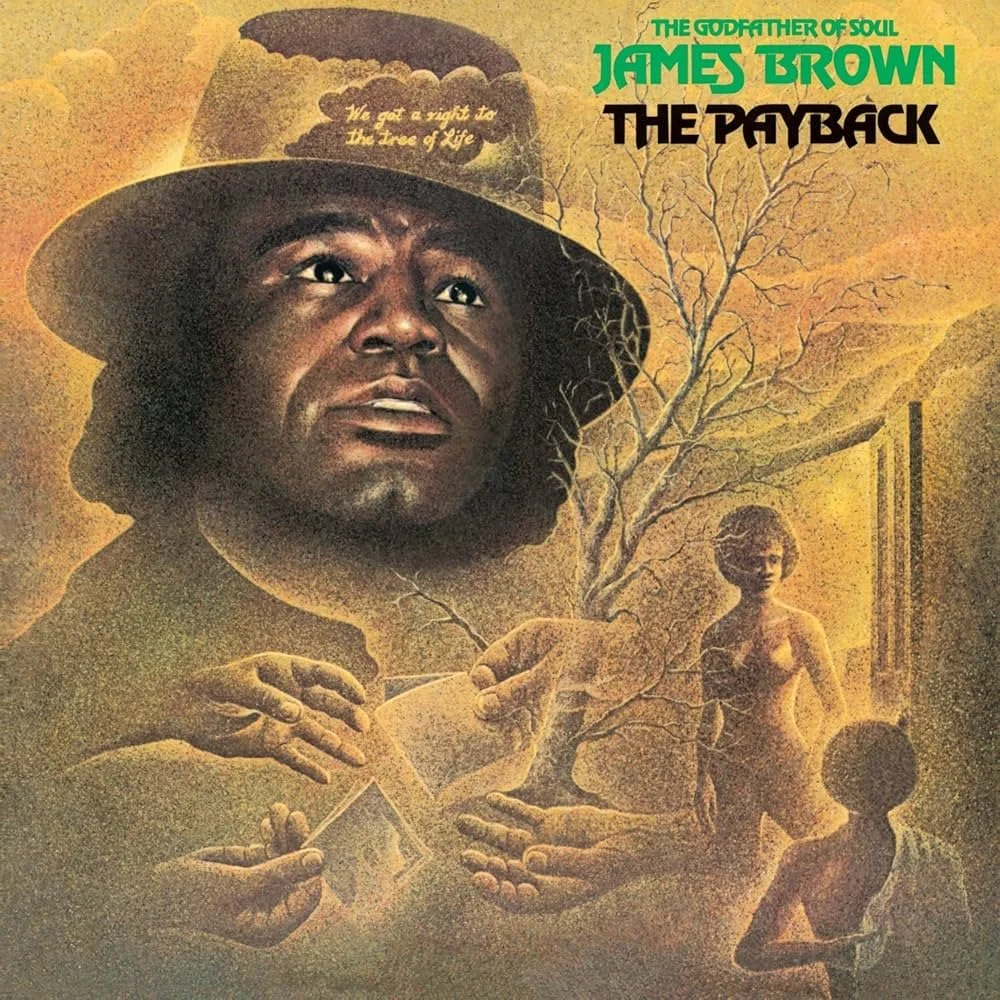
“The Payback” - Fred Thomas
Fred Thomas’ bassline on “The Payback” is one of the deepest pockets ever recorded — a slow-burn, hypnotic groove built from space, intention, and absolute control. His tone, placement, and discipline create the unmistakable pulse of the track, proving how much power lives inside a simple idea played with conviction.
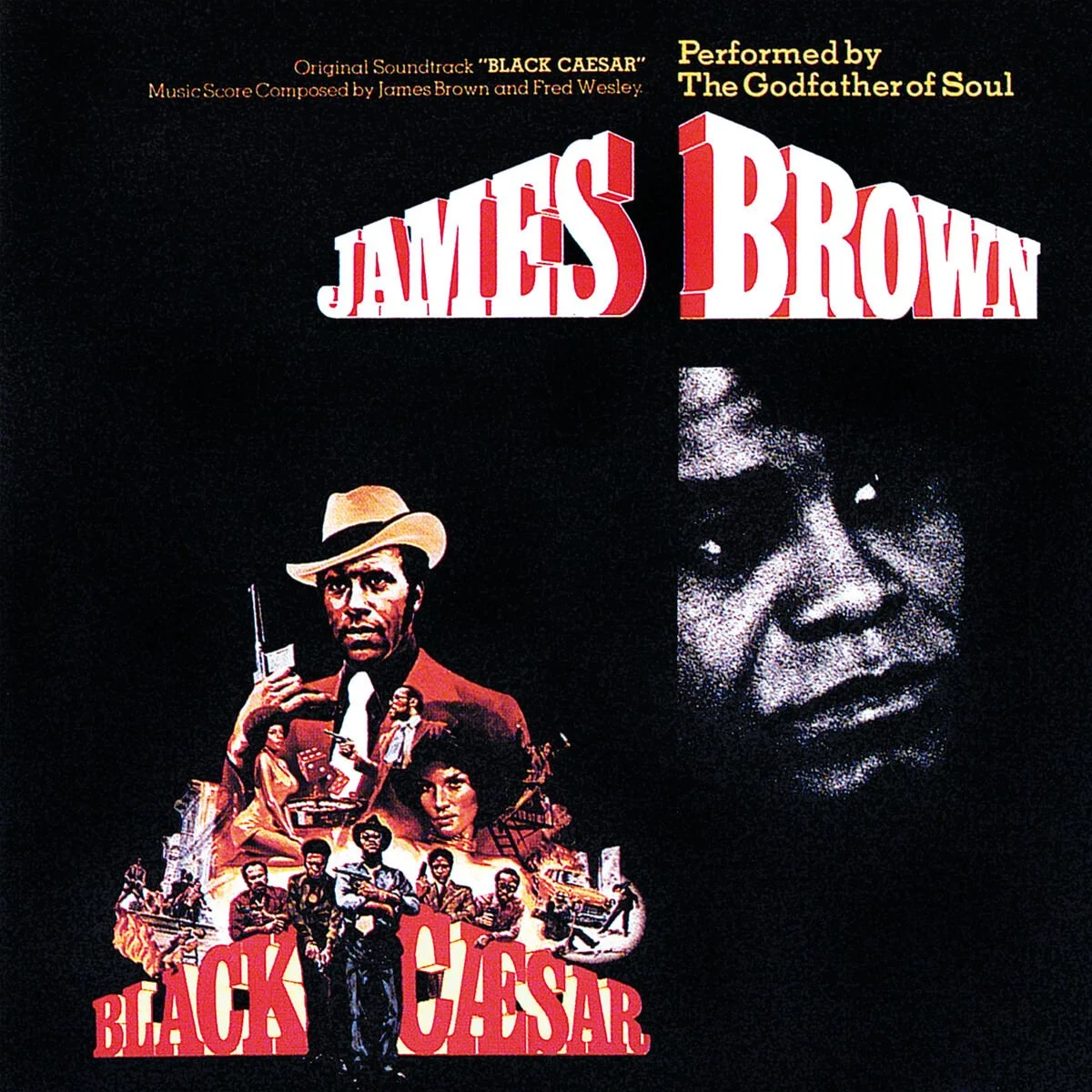
“The Boss” - Fred Thomas
Fred Thomas’ bassline on James Brown’s “The Boss” is a masterclass in tight, disciplined funk pocket. His playing is lean, precise, and packed with attitude—providing the relentless forward motion and rhythmic definition that make the groove hit with so much authority.
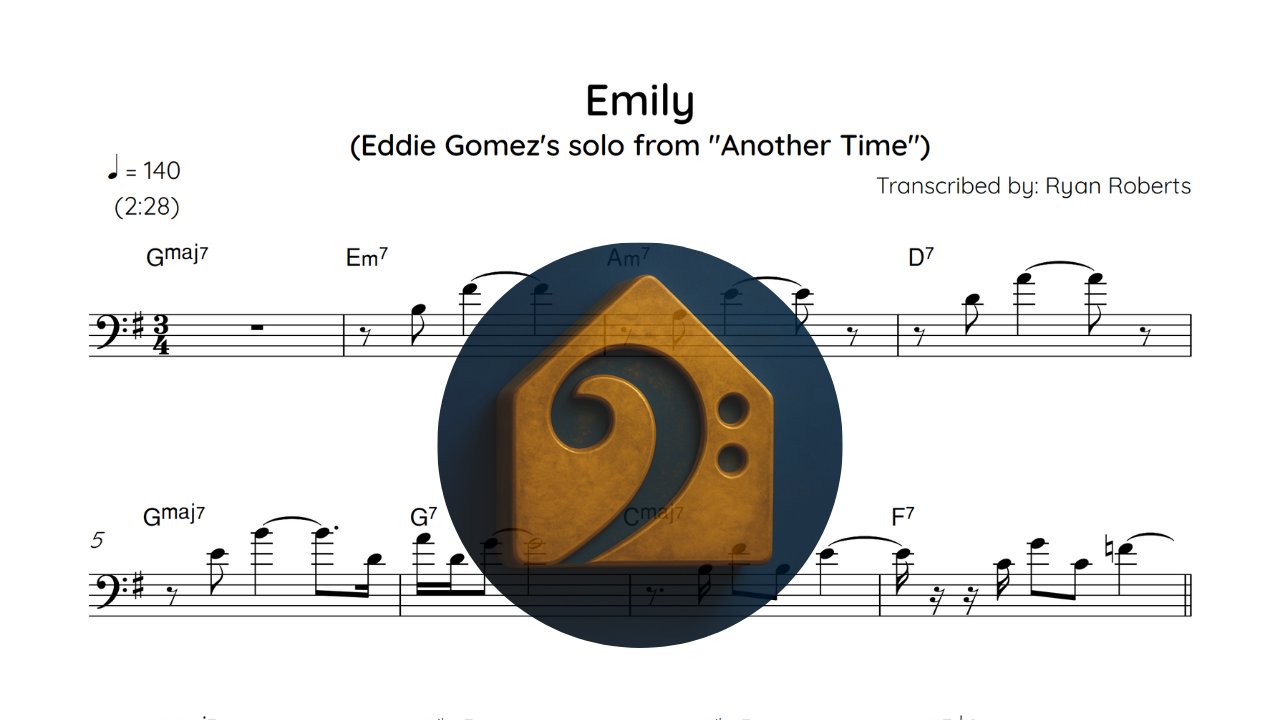
Eddie Gomez Solo “Emily”
Eddie Gómez’s solo on “Emily” from Another Time is a stunning example of lyrical bass improvisation—fluid, expressive, and technically effortless. His phrasing dances around Bill Evans’ harmonies with clarity and emotional depth, creating a solo that feels both intimate and virtuosic without ever losing its musical center.

Knock On Wood
Donald “Duck” Dunn’s bassline on “Knock on Wood” is a masterclass in groove clarity and soul-pocket authority. His part is simple, steady, and deeply supportive—driving the song with a clean, confident pulse that locks perfectly with the drums and leaves space for the horns and vocals to shine.
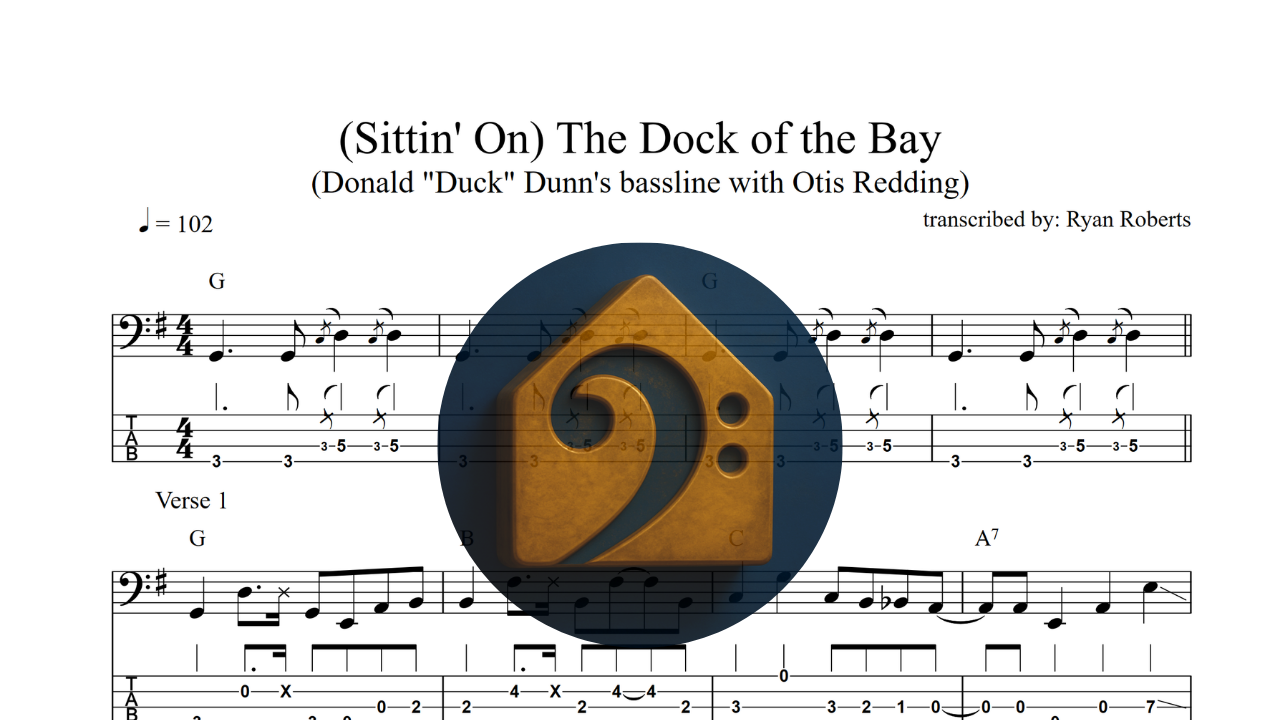
(Sittin’ On) The Dock of the Bay
Donald “Duck” Dunn’s bassline on “(Sittin’ On) The Dock of the Bay” is a masterclass in feel, support, and quiet authority. His warm tone, laid-back placement, and understated movement create the emotional foundation of the song, proving how powerful simplicity can be when delivered with absolute conviction.