
Transcriptions
Freemium members receive access to the first page of each transcription — giving you a focused entry point into the feel, harmony, and core vocabulary of the performance.
Learn from the legends through full transcriptions, guided breakdowns, and practice tools that bring their language into your playing. .
To unlock the complete transcription and access the full Shed Studio tools — including metronome, drones, and looper — join IN THE SHED and take your study deeper.
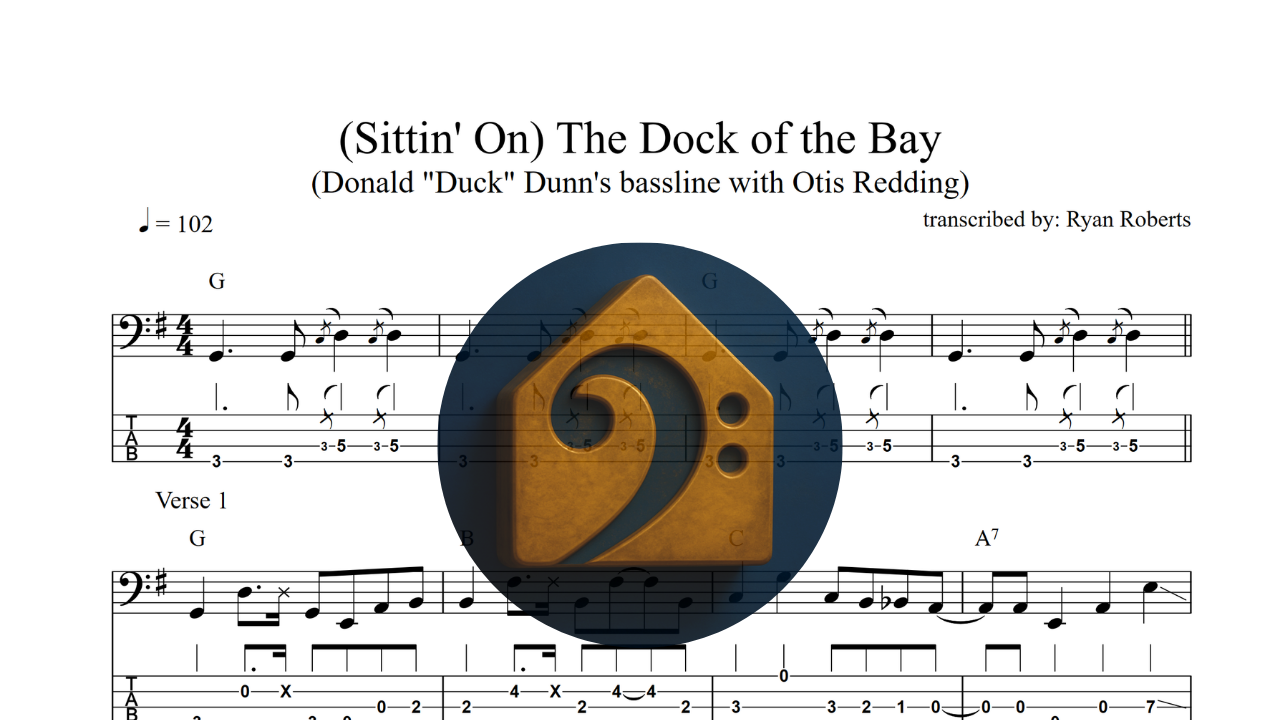
(Sittin’ On) The Dock of the Bay
Donald “Duck” Dunn’s bassline on “(Sittin’ On) The Dock of the Bay” is a masterclass in feel, support, and quiet authority. His warm tone, laid-back placement, and understated movement create the emotional foundation of the song, proving how powerful simplicity can be when delivered with absolute conviction.
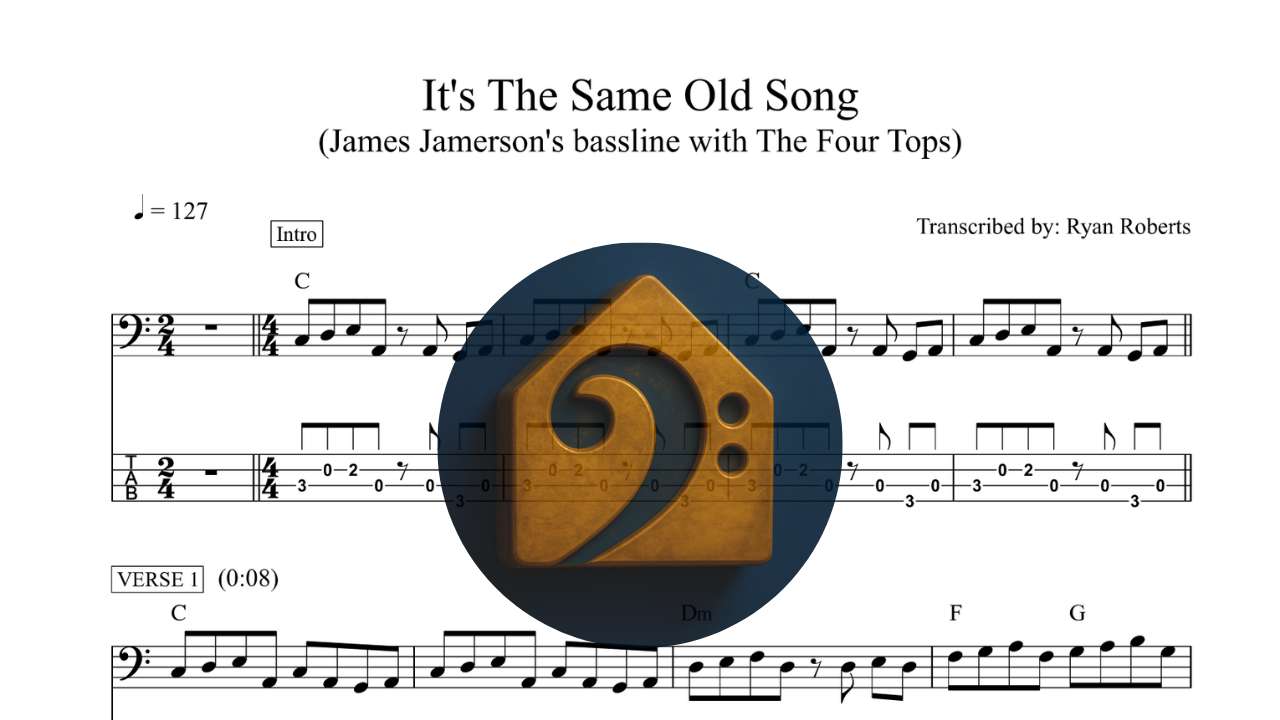
It’s The Same Old Song
James Jamerson’s bassline on “It’s the Same Old Song” is a perfect blend of drive, melody, and rhythmic lift. His playing gives the tune its infectious forward motion while weaving countermelodies that elevate the vocal and push the entire arrangement into classic Motown energy.
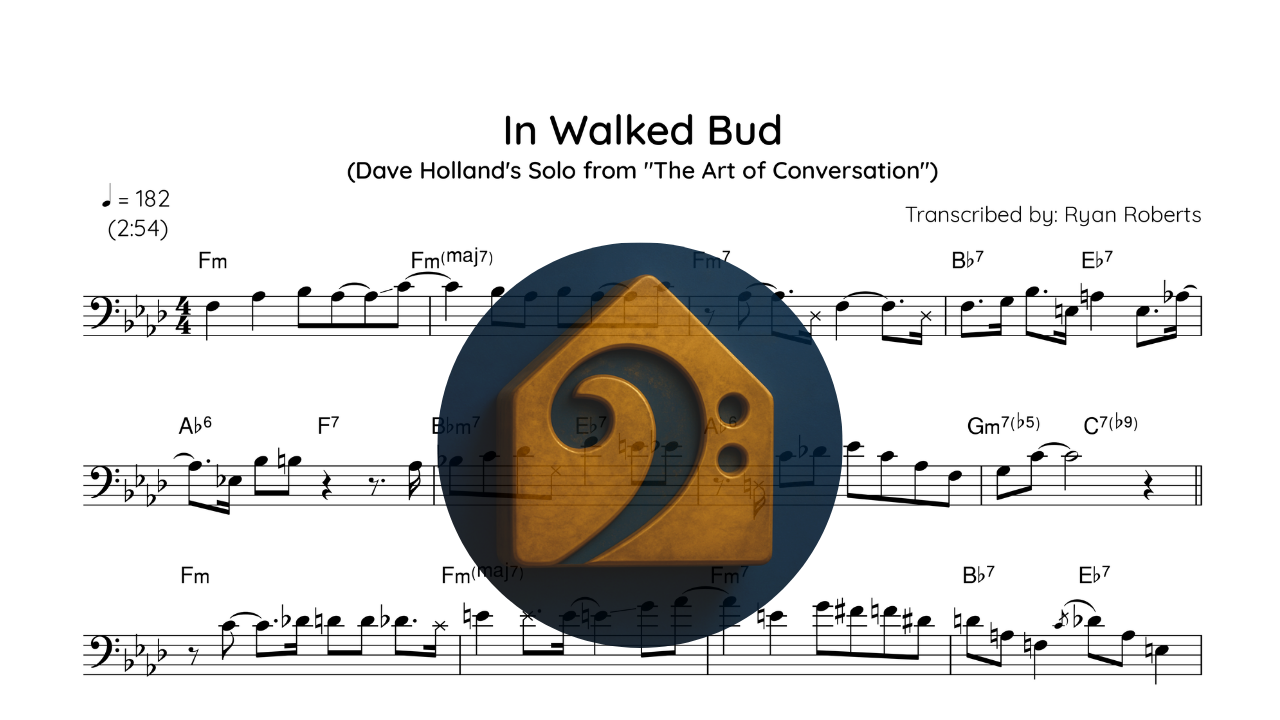
Dave Holland Solo “In Walked Bud”
Dave Holland’s solo on “In Walked Bud” is a study in clarity, intention, and melodic intelligence inside a modern jazz context. With effortless command of time and harmony, Holland shapes a solo that is both deeply rooted in the bebop language and unmistakably personal—lyrical, purposeful, and full of rhythmic nuance.

Are You Ready?
Chuck Rainey’s bassline on “Are You Ready?” delivers a powerful electric shuffle rooted in blues feel and driven by a clear, forward-moving pulse. His rhythmic variations, warm tone, and subtle harmonic coloring give the tune energy and direction, making this a standout example of how to play a jazz shuffle on electric bass with authority and purpose.
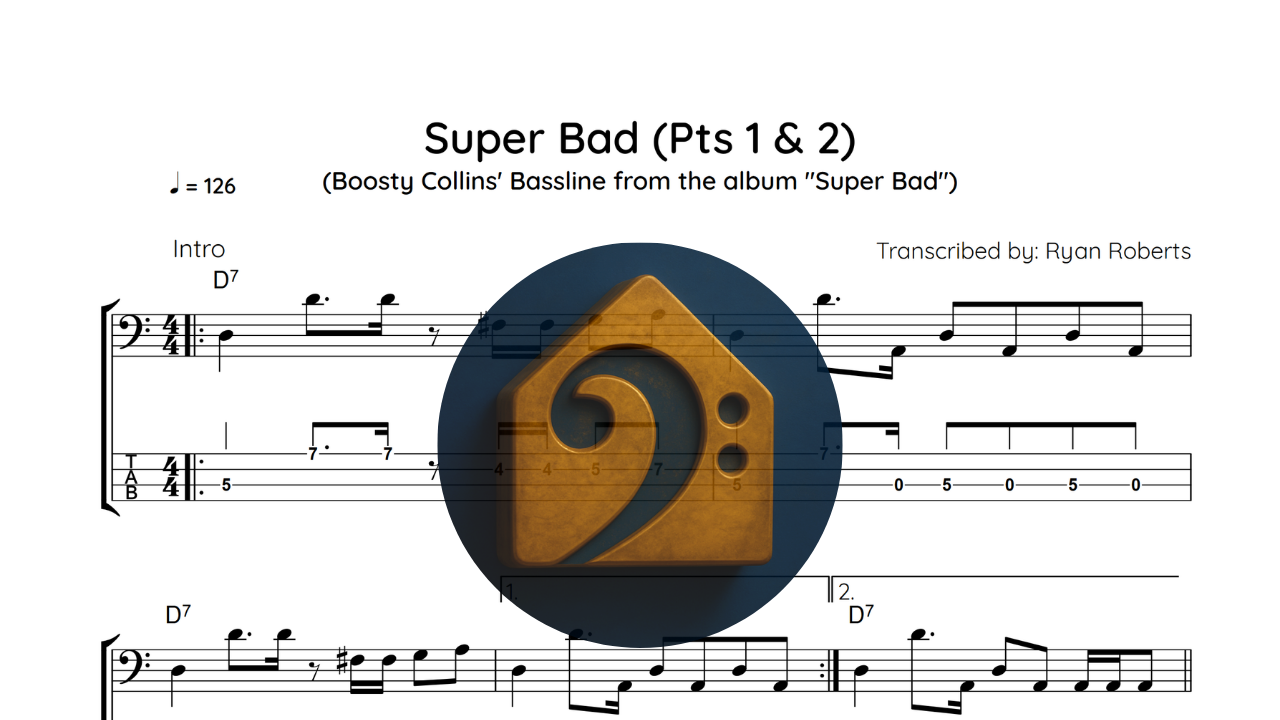
Super Bad
Bootsy Collins’ bassline on “Super Bad” is a masterclass in behind-the-beat funk — loose, minimal, and full of personality while still locked into James Brown’s strict rhythmic discipline. His warm, dry tone and elastic pocket create the hypnotic groove that defines the track and sets the stage for the evolution of modern funk.
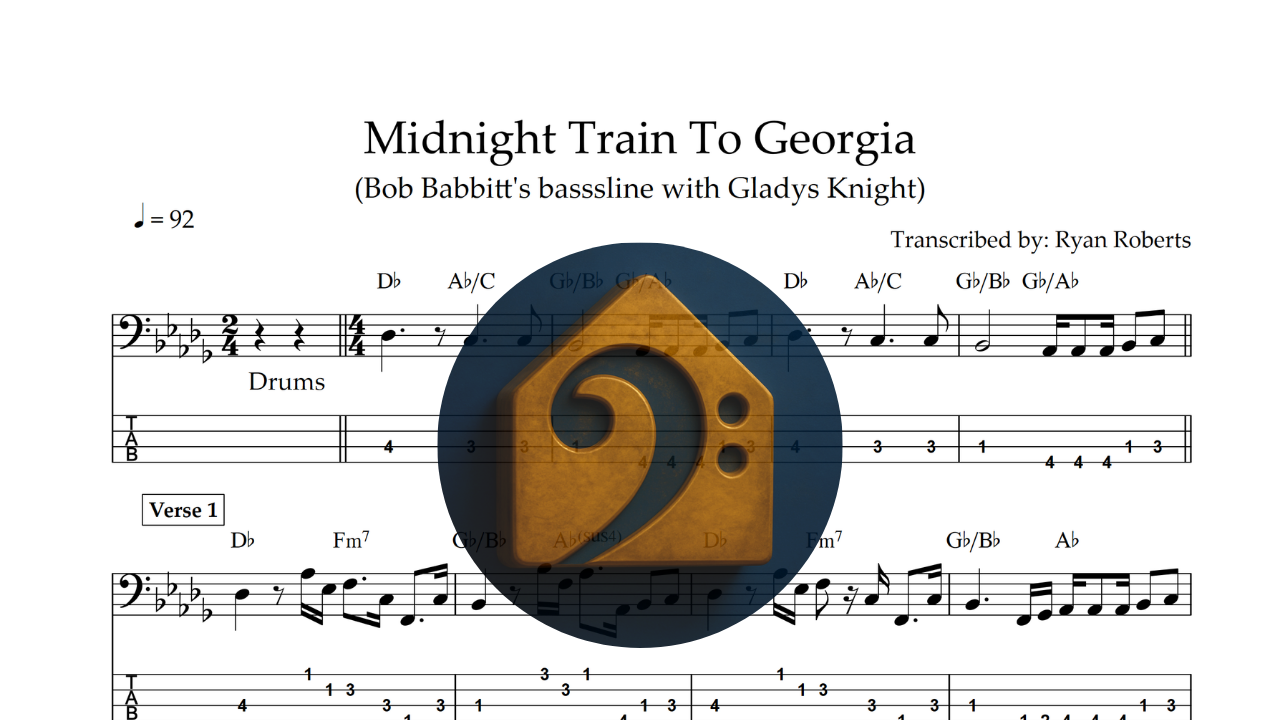
Midnight Train To Georgia (Copy)
Bob Babbitt’s bassline on “Midnight Train to Georgia” is a masterclass in emotional groove playing — warm, grounded, and perfectly in step with the song’s story. His centered pocket, tasteful voice-leading, and subtle articulation create the foundation that allows the arrangement and vocals to rise and fall with effortless clarity.
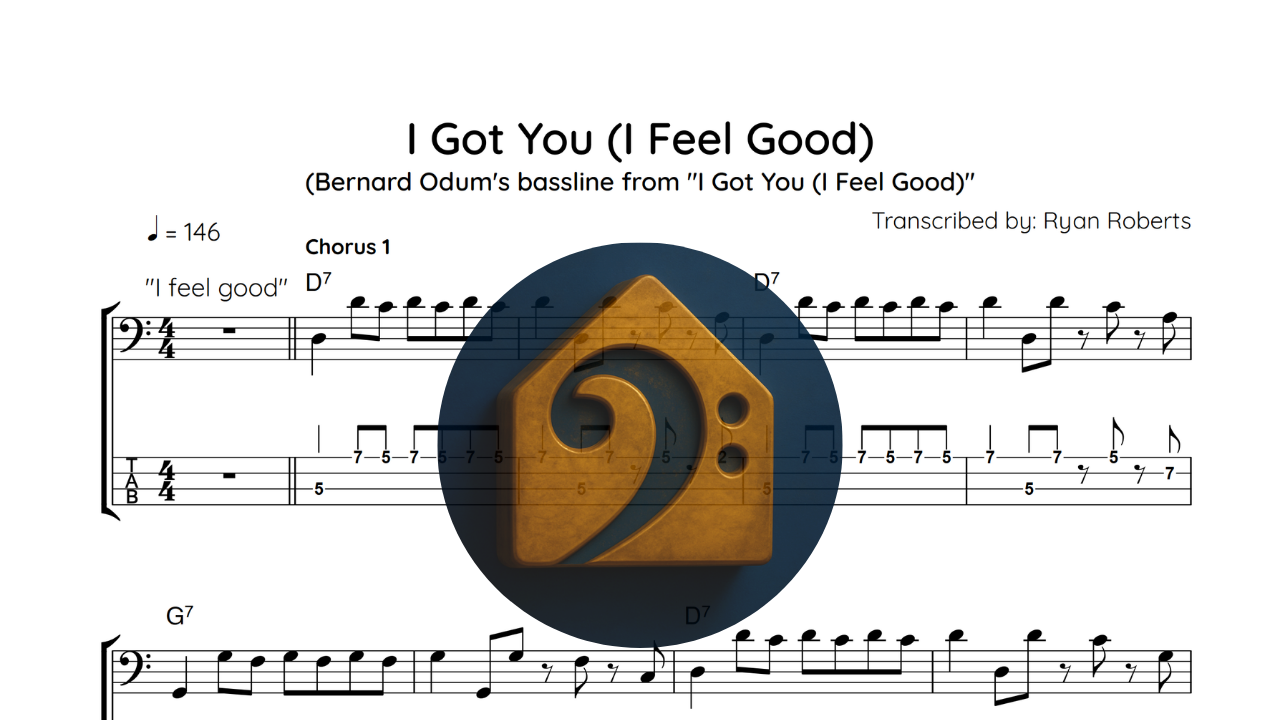
I Got You (I Feel Good)- Freemium
Bernard Odum’s bassline on James Brown’s “Cold Sweat” is a masterclass in funk minimalism — a two-bar pattern powered by precision, micro-timing, and absolute commitment to the pocket. This line shows how economy and placement can create one of the most influential grooves in modern music.
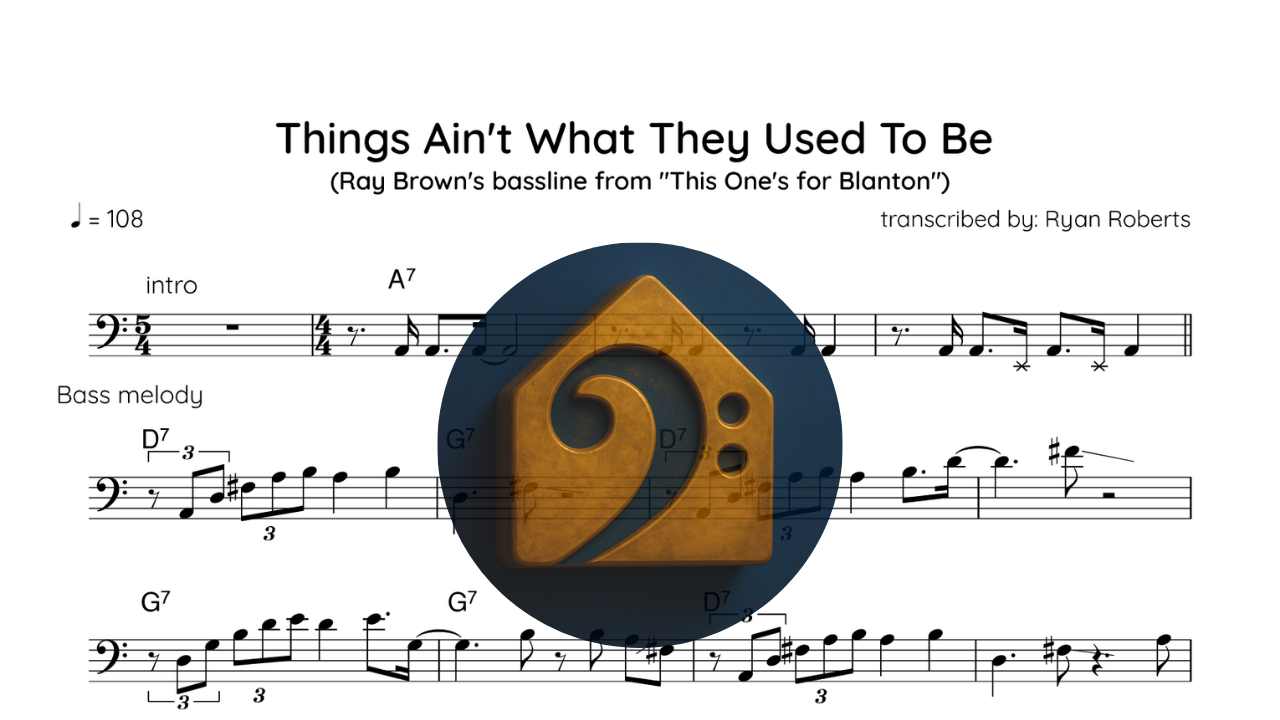
Things Ain’t What They Used to Be - Freemium
Ray Brown’s “Things Ain’t What They Used to Be” bass transcription with isolated bass and minus-one play-along tracks. Study the feel, shed the lines, and step into the bass chair.
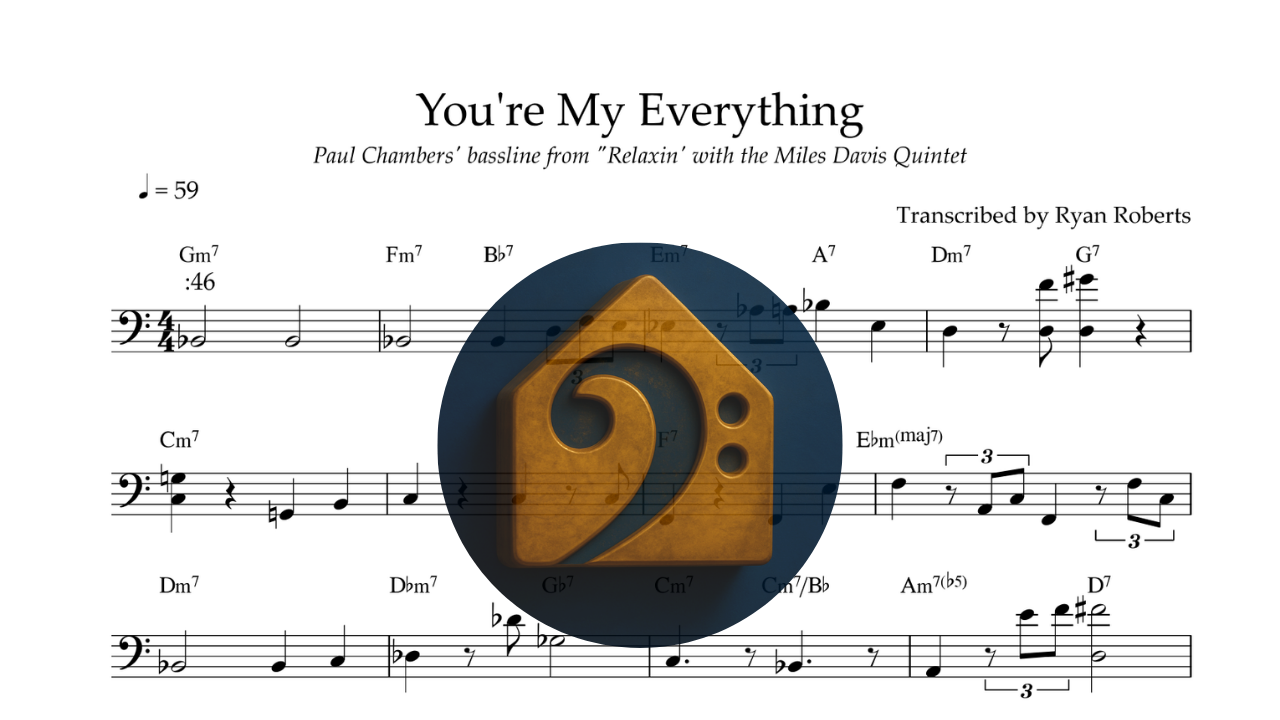
You’re My Everything -Freemium
This transcription captures Paul Chambers at his most elegant: steady, unforced, and completely in command of the harmonic flow. His walking line on “You’re My Everything” is a study in clarity—every quarter note sits deep in the pocket, and his voice-leading threads the changes together with effortless logic. What stands out here is Chambers’ ability to keep the groove buoyant while shaping each chorus with small variations that lift the entire band. For modern bassists, this line offers a blueprint for relaxed time, functional harmony, and the kind of musical intention that defines great straight-ahead playing.